


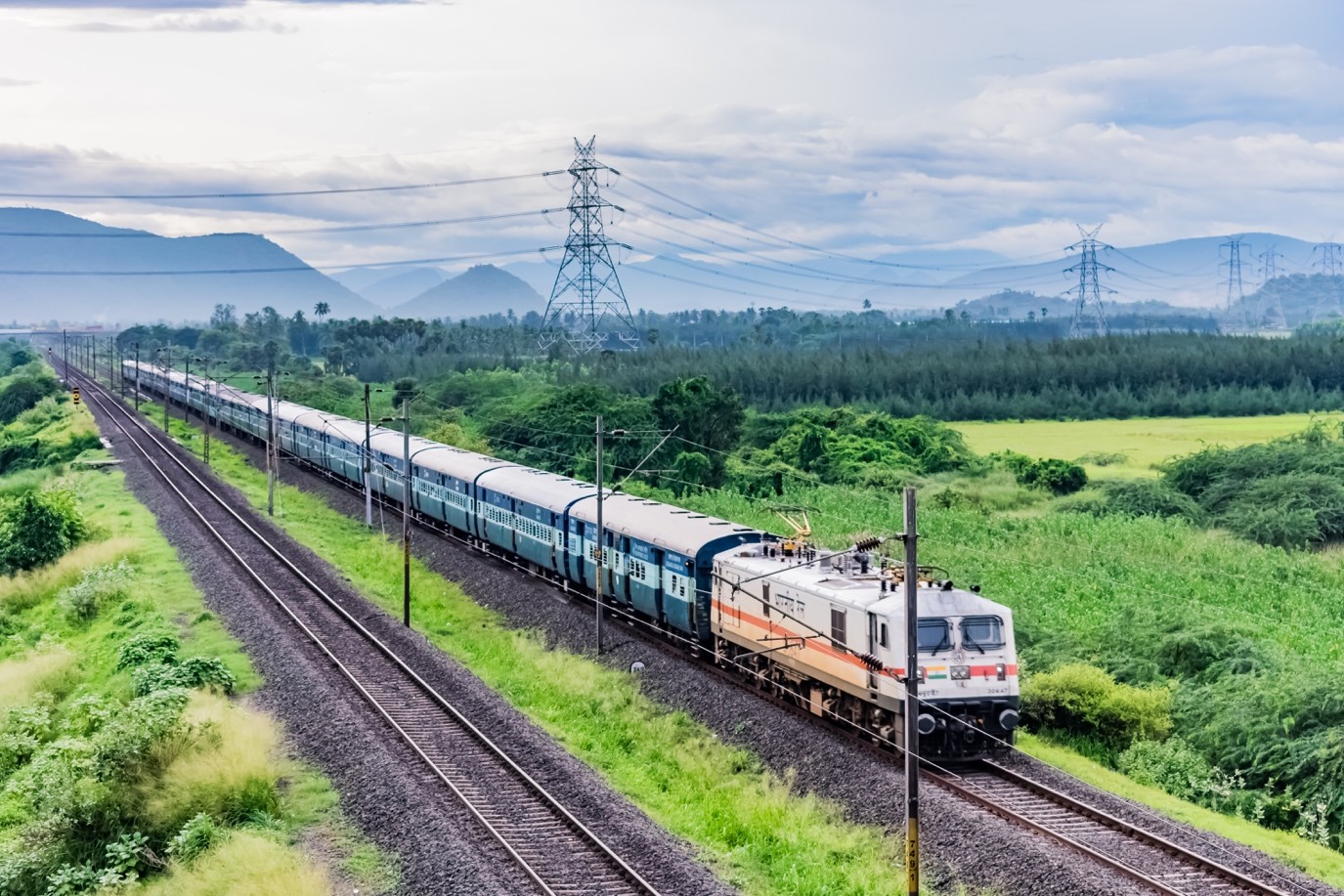
A new rail corridor linking Indore with Mumbai is emerging as a critical infrastructure project aimed at transforming freight and passenger movement between central and western India. Spanning over 300 kilometres, the corridor is expected to significantly reduce travel time while improving logistics efficiency—offering long-term economic and environmental benefits for the region. For a landlocked commercial hub like Indore, stronger rail connectivity to Mumbai’s port ecosystem can reshape trade flows. Businesses dependent on road transport are likely to see reduced costs and faster turnaround times, particularly in sectors such as manufacturing, textiles, and agri-based industries.
Urban economists suggest that such connectivity upgrades often trigger expansion of industrial clusters along the route, influencing real estate demand and regional development patterns. The Indore Mumbai rail corridor is also positioned as a shift towards more sustainable freight movement. Rail transport typically consumes less energy per tonne-kilometre compared to road transport, leading to lower emissions. As cities face mounting pressure to decarbonise, infrastructure that enables modal shift from trucks to rail is becoming increasingly important in reducing urban pollution and congestion. Beyond freight, the corridor has implications for passenger mobility. Faster rail links can support inter-city commuting, business travel, and tourism, effectively expanding the functional economic region between Indore and Mumbai. Urban planners note that improved rail infrastructure can decentralise growth, allowing smaller towns along the corridor to benefit from increased connectivity and investment. However, the project also raises questions around land use and environmental impact. Large-scale rail development often involves land acquisition, which can affect peri-urban and rural communities. Experts emphasise the need for transparent rehabilitation processes and environmentally sensitive construction practices to ensure that growth remains equitable and sustainable. Infrastructure specialists point out that the long-term success of the corridor will depend on integration with local transport systems. Efficient last-mile connectivity—through buses, metro networks, and non-motorised transport—will be essential to maximise usage and ensure that benefits reach a wider population.
The Indore Mumbai rail corridor reflects a broader national push to strengthen logistics networks and reduce dependence on road transport. As India’s cities continue to expand, such projects are increasingly viewed not just as connectivity upgrades but as foundational elements of climate-resilient and economically inclusive urban systems. Looking ahead, the focus will shift to timely completion, operational efficiency, and ensuring that the corridor delivers on its promise of faster, cleaner, and more accessible mobility for both goods and people.
ALSO READ – Indore Metro Expansion Signals New Urban Mobility Shift
Indore Mumbai Rail Corridor Reshapes Regional Connectivity
