


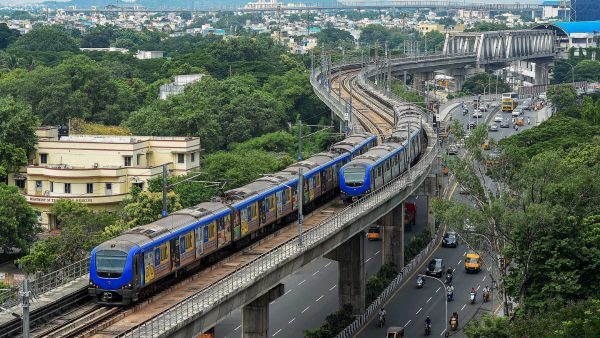
Chennai’s urban transit system is placing greater emphasis on commuter feedback, with the metro rail network launching its annual passenger survey to assess service quality and identify areas for improvement.
The initiative reflects a broader shift towards data-driven planning in public transport, where user experience is increasingly central to operational decisions.The survey is expected to capture insights on multiple aspects of metro usage, including punctuality, cleanliness, accessibility, safety, and overall satisfaction. For a rapidly growing city like Chennai, such feedback mechanisms are critical in aligning transport services with the evolving needs of daily commuters.The rollout of the Chennai Metro passenger survey underscores the importance of participatory governance in urban mobility systems. By actively seeking input from users, transit authorities can better understand gaps in service delivery and prioritise targeted interventions. This approach also helps build trust and accountability in public infrastructure management.Urban mobility experts note that commuter feedback plays a vital role in improving system efficiency.Identifying recurring issues—such as overcrowding, last-mile connectivity challenges, or station accessibility—can inform both short-term fixes and long-term planning strategies. In Chennai, where metro usage is steadily increasing, such insights are essential for sustaining growth.The Chennai Metro passenger survey also aligns with global best practices in transit management, where continuous evaluation is used to enhance performance. Cities worldwide are leveraging data analytics and user feedback to optimise routes, improve scheduling, and enhance passenger comfort.
From a sustainability perspective, improving public transport systems is key to reducing reliance on private vehicles and lowering urban emissions. A more efficient and user-friendly metro network can encourage greater adoption, contributing to cleaner and more sustainable mobility patterns.There are also economic implications.Reliable and efficient public transport supports productivity by reducing travel time and improving connectivity across the city. For businesses and workers alike, better transit systems can enhance accessibility and support economic activity.However, the effectiveness of such surveys depends on participation levels and the implementation of findings. Ensuring that feedback translates into tangible improvements will be crucial for maintaining public confidence. Transparent communication about actions taken based on survey results can further strengthen engagement.The initiative also highlights the need to integrate feedback into broader urban planning frameworks. Issues identified through the survey may extend beyond the metro system, requiring coordination with other transport modes and city infrastructure.
As Chennai continues to expand its metro network, the focus on commuter experience signals a more responsive approach to urban mobility. Leveraging insights from the survey can help create a system that is not only efficient but also inclusive and sustainable.In the long term, embedding user feedback into decision-making processes will be key to building resilient transport systems that meet the demands of a dynamic urban population.
Also Read:Chennai Leisure Infrastructure Growth Expands Indoor Recreation
