


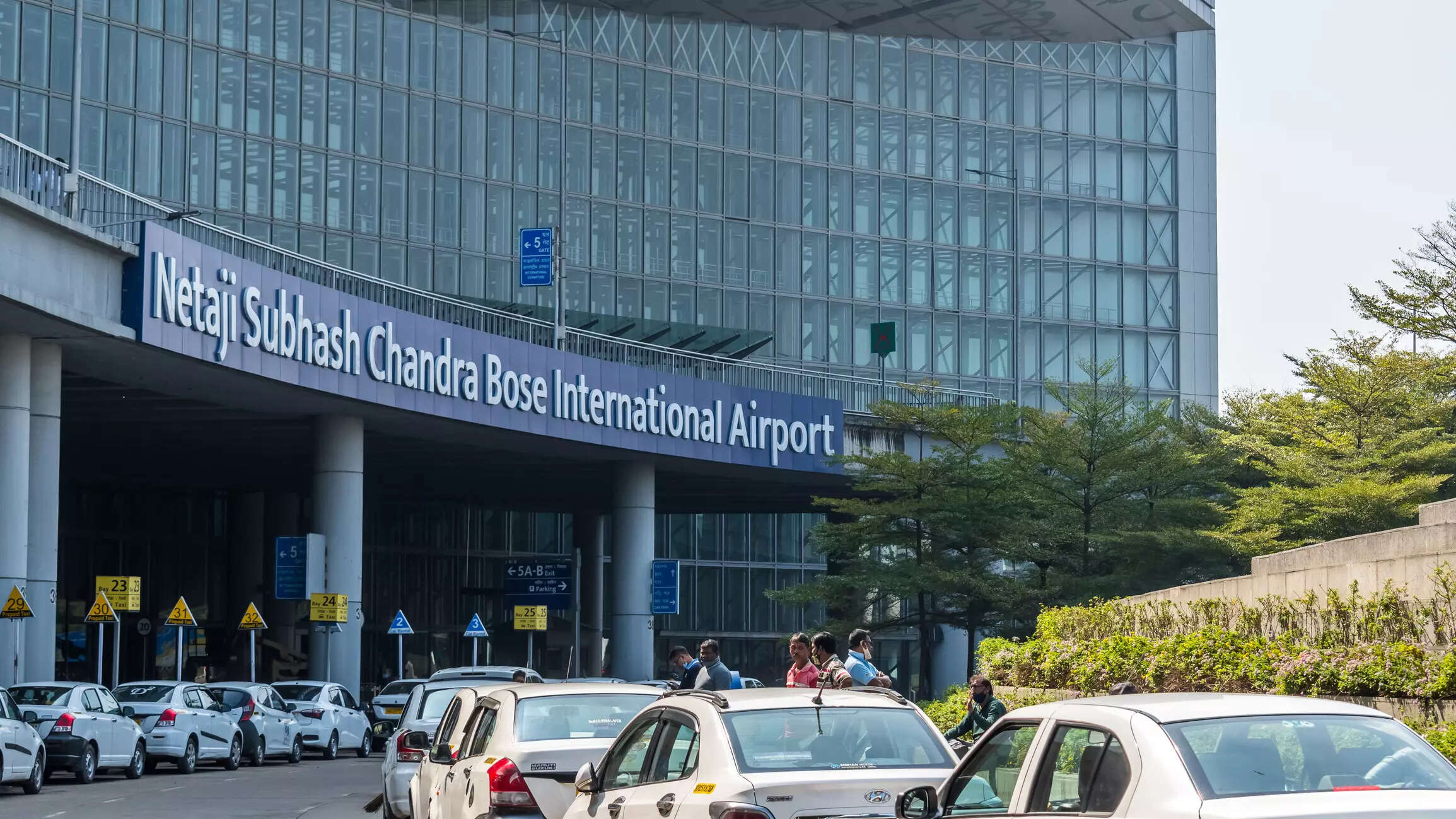
Kolkata is witnessing renewed momentum in international air connectivity, with airlines expanding routes and frequencies to key global destinations.
The development signals a broader recovery in aviation demand while reinforcing the city’s position as a gateway for eastern India’s economic and cultural exchanges.The expansion of routes is being driven by a combination of rising passenger demand, improved airport infrastructure, and strategic airline planning. For Kolkata, enhanced connectivity is not just about travel convenience but also about strengthening its role in regional trade, tourism, and investment flows.The surge in Kolkata international routes expansion reflects changing travel patterns in the post-pandemic landscape. As global mobility stabilises, cities with strong diaspora links and growing business activity are seeing increased interest from carriers.Kolkata, with its historical ties and emerging economic sectors, is benefiting from this shift.Urban economists note that improved air connectivity can have a multiplier effect on local economies. Increased passenger traffic supports hospitality, retail, and service industries while also attracting business travellers and investors. For a city aiming to revitalise its economic base, such developments can provide a significant boost.
However, the growth in Kolkata international routes expansion also brings sustainability considerations into focus.Aviation remains a carbon-intensive sector, and expanding flight networks can contribute to rising emissions.Balancing connectivity with environmental responsibility will be critical as cities align with broader climate goals.From an infrastructure perspective, increased traffic places additional demands on airport facilities, ground transport systems, and urban services. Efficient integration between airports and city transport networks will be essential to manage passenger flows and reduce congestion.There are also implications for regional development. Enhanced connectivity can strengthen Kolkata’s role as a hub for neighbouring states and countries, improving access to global markets. This can support sectors such as exports, education, and healthcare, which rely on international linkages.At the same time, experts highlight the need for inclusive growth. Ensuring that the benefits of increased connectivity reach a wider segment of the population—through job creation and improved services—will be key to sustaining long-term gains.The evolving aviation landscape also presents opportunities for adopting greener technologies and practices.
From fuel-efficient aircraft to sustainable aviation fuels, the sector is gradually moving towards reducing its environmental footprint. Cities like Kolkata can play a role by supporting such transitions through policy and infrastructure.As airlines continue to expand their networks, Kolkata’s connectivity story is entering a new phase. The challenge ahead will be to leverage this growth in a way that supports economic development while maintaining a focus on sustainability and urban resilience.
Also Read:Kolkata Wetlands Climate Talks Focus On Urban Resilience
