


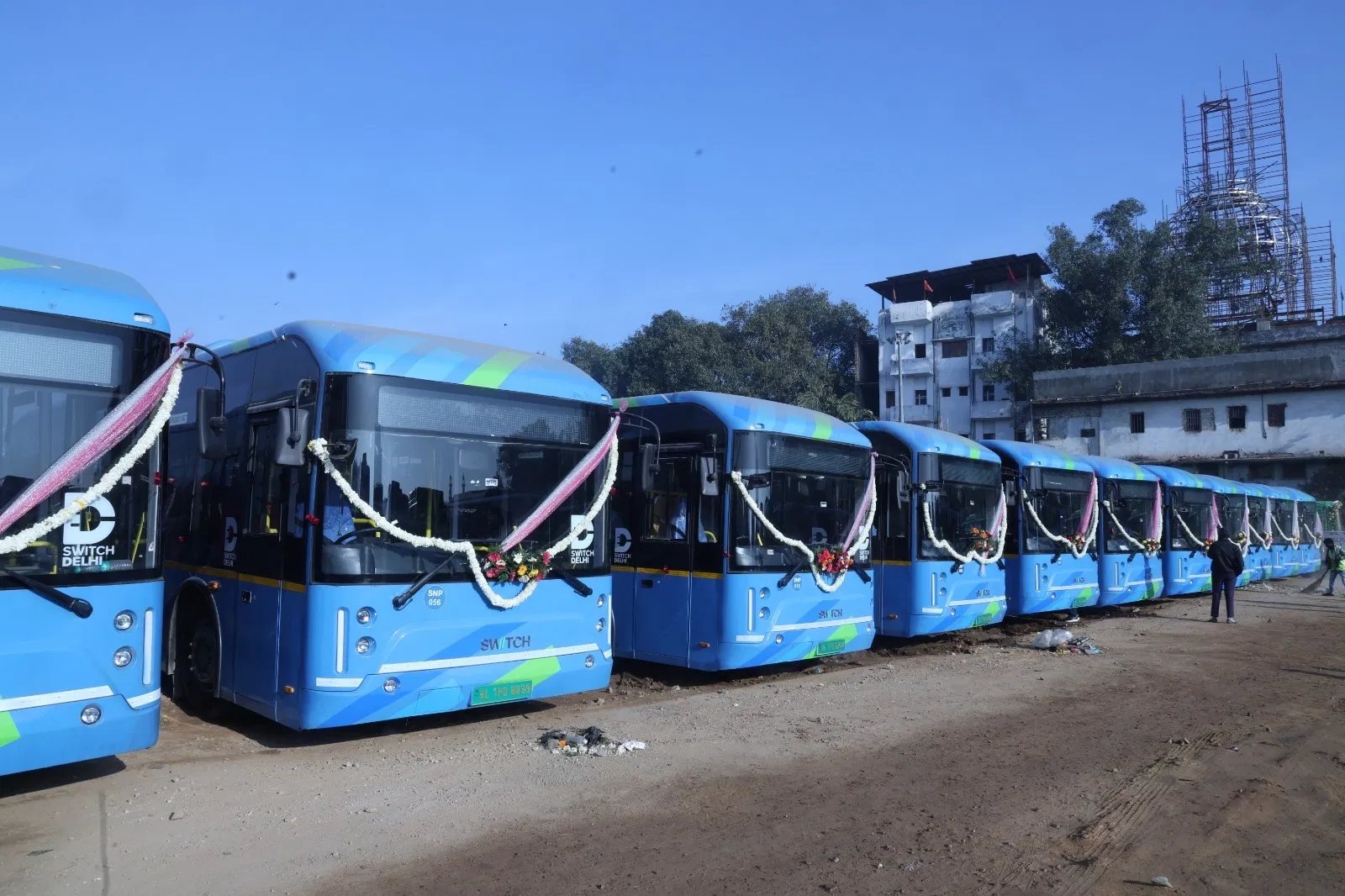
A sharp increase in public bus pass rates in Indore has triggered student protests and renewed scrutiny of how Indian cities price essential mobility. The revision, which significantly raises the cost of monthly passes, has been challenged by students who argue that affordable transport is critical for access to education and urban opportunity. The fare revision comes at a time when cities are under pressure to improve financial sustainability of public transport systems.
Municipal officials have indicated that rising operational costs—including fuel, maintenance, and staffing—have made previous pricing models difficult to sustain. However, the scale of the increase has raised concerns about whether cost recovery is being prioritised over accessibility. For students, who form a large share of daily bus users, the Indore bus pass hike directly impacts their ability to commute regularly. Many rely exclusively on public transport to reach colleges and training centres spread across the city. A sudden escalation in monthly expenses, urban planners note, risks pushing young commuters toward informal or less safe alternatives, including shared autos or two-wheelers. Urban mobility experts argue that pricing decisions must be aligned with broader goals of inclusive and low-carbon cities. Public buses are among the most efficient ways to reduce congestion and emissions, particularly in rapidly growing urban centres like Indore. When fares become unaffordable, ridership may decline, undermining both environmental and economic objectives. The situation also highlights a persistent gap in how Indian cities design concession systems. While discounted passes for students exist in many regions, their structure often lacks flexibility or periodic review based on inflation and income levels. A transport policy researcher noted that fare adjustments, if unavoidable, should be gradual and accompanied by targeted subsidies to protect vulnerable users. The protests in Indore reflect a wider national challenge: balancing financial viability of urban transport with equitable access. With India’s cities expanding and educational hubs becoming more dispersed, daily commuting has become a necessity rather than a choice. Ensuring that transport remains affordable is therefore central to workforce participation and social mobility. The Indore bus pass hike may also influence how other cities approach fare revisions. Experts suggest that transparent consultation processes, data-driven pricing, and integration with climate goals can help avoid backlash while maintaining system sustainability.
As discussions continue, the focus is likely to shift toward whether municipal authorities can recalibrate the fare structure or introduce mitigating measures. For a city positioning itself as a growing urban centre, the outcome will signal how it balances fiscal pressures with the everyday needs of its residents.
ALSO READ – India Real Estate Sees Rise In Premium Housing Demand
Indore Bus Pass Hike Strains Student Budgets
