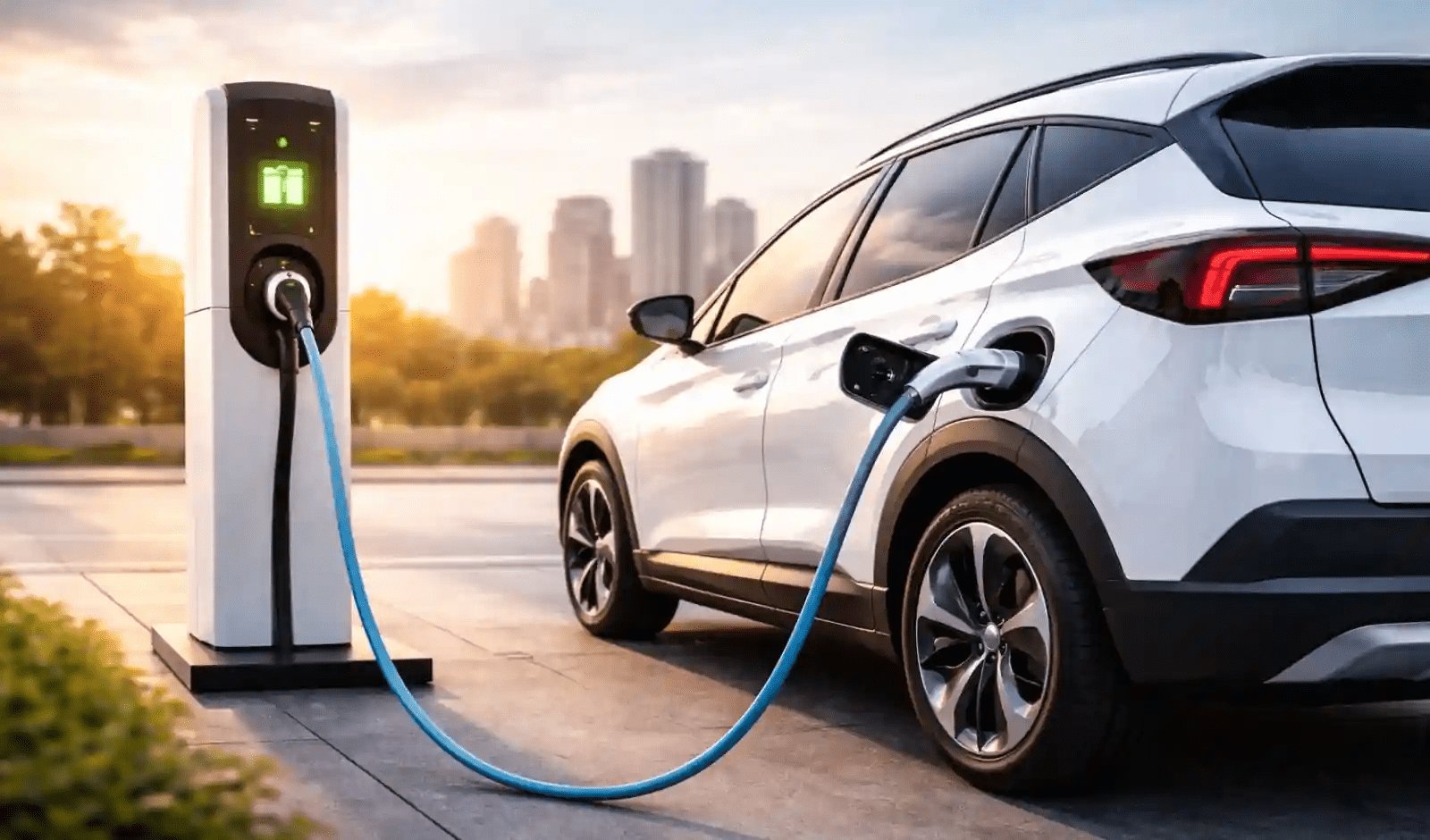
Delhi has released its proposed electric mobility roadmap for the next phase of urban transport, opening it to public consultation as the city prepares to accelerate its shift towards low-emission mobility. The draft framework lays out a structured plan to scale adoption, expand infrastructure, and integrate sustainability into everyday transport systems. At the core of the proposal is the Delhi EV Policy 2026, which sets out phased targets for electrification across vehicle segments. High-frequency categories such as two- and three-wheelers are prioritised, alongside gradual inclusion of commercial fleets and shared mobility services. This signals a move from selective incentives towards a broader, system-wide transition in how transport operates across the capital.
The policy outlines a financial model designed to support adoption while gradually reducing reliance on subsidies. Incentives linked to battery capacity, along with provisions for scrapping older vehicles, aim to balance affordability with long-term market stability. Industry observers suggest that such calibrated support could encourage early uptake while allowing the sector to mature without prolonged dependence on public funding. Infrastructure expansion is a central pillar of the Delhi EV Policy 2026. Plans include scaling up charging stations and battery-swapping networks, supported by a dedicated institutional mechanism to streamline approvals and oversee implementation. The introduction of digital platforms for managing permissions is expected to reduce administrative delays, a persistent challenge in urban infrastructure projects. Beyond vehicle deployment, the framework incorporates provisions for battery lifecycle management, reflecting an increasing focus on sustainability. Systems for collection, tracking, and recycling are proposed to align with national environmental regulations, signalling a shift towards circular economy practices within the mobility sector. Experts note that such measures are essential to ensure that environmental benefits are not offset by waste management challenges.
The implications extend to urban planning and real estate development. As electric mobility becomes mainstream, integrating charging infrastructure into residential, commercial, and public spaces is likely to become standard practice. Planners indicate that this could influence building design norms, encouraging developments that are both energy-efficient and mobility-ready. Affordability and accessibility are also addressed through exemptions on certain taxes and targeted incentives across vehicle categories. At the same time, the inclusion of hybrid technologies and defined eligibility criteria reflects an attempt to maintain flexibility within the transition, accommodating varied consumer needs and market conditions. Governance structures proposed under the policy include multi-level oversight mechanisms to coordinate implementation and monitor progress. Experts highlight that such institutional frameworks will be critical in managing the scale and complexity of the transition, particularly in a city with diverse mobility patterns.
As consultations continue, the final shape of the Delhi EV Policy 2026 will depend on how stakeholder feedback is incorporated. The effectiveness of the framework will ultimately rest on its ability to align infrastructure, affordability, and environmental goals, ensuring that the transition to clean mobility is both inclusive and sustainable.