


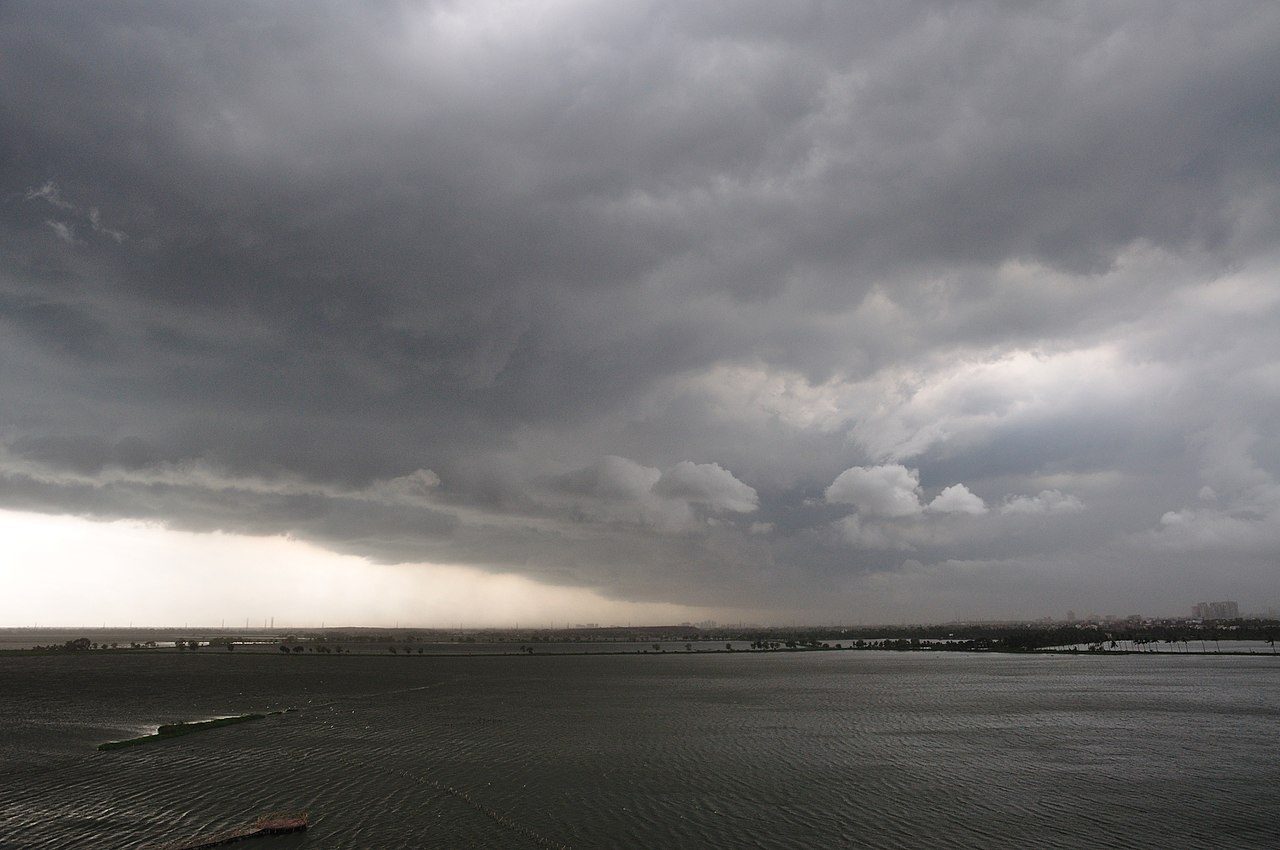
Kolkata is set to experience another pre-monsoon thunderstorm, locally known as a nor’wester, before entering a prolonged dry and warmer phase—marking a familiar yet increasingly unpredictable transition in the city’s seasonal weather cycle.
The expected shift highlights growing concerns over climate variability and its impact on urban resilience, particularly in densely populated eastern metros.Meteorological assessments indicate that atmospheric instability, driven by moisture influx and rising temperatures, is likely to trigger a short spell of intense rainfall accompanied by gusty winds. While such events are typical during this time of year, experts suggest that their frequency and intensity have shown fluctuations in recent years, complicating preparedness for both authorities and residents.For Kolkata, these intermittent storms serve as a double-edged sword. On one hand, they provide temporary relief from rising temperatures and help moderate air quality.On the other, they often expose vulnerabilities in urban infrastructure, including drainage inefficiencies, tree stability, and power distribution networks. Even brief downpours can lead to waterlogging in low-lying areas, disrupting mobility and daily economic activity.Urban planners point out that the transition from a storm event to a dry spell places additional stress on city systems. The immediate aftermath of rainfall is often followed by sharp temperature increases, which can intensify heat stress, particularly for outdoor workers and low-income communities with limited access to cooling infrastructure.
This cyclical pattern underscores the need for adaptive planning that integrates both extreme weather and heat resilience.The evolving weather pattern also has implications for public health. Sudden shifts between humid, stormy conditions and dry heat can contribute to respiratory issues, heat-related illnesses, and vector-borne disease risks. Health experts emphasise the importance of early warning systems and community-level awareness to mitigate these impacts.From a broader climate perspective, the variability in pre-monsoon activity reflects changing regional weather dynamics linked to global warming. Scientists note that while nor’westers remain a characteristic feature of eastern India’s climate, their altered timing and distribution could signal deeper disruptions in seasonal cycles. This has implications not just for urban centres like Kolkata but also for surrounding agricultural regions that depend on predictable weather patterns.The anticipated dry spell following the storm may further strain water resources and increase energy demand, particularly as cooling needs rise. For city administrators, this reinforces the urgency of integrating climate-responsive strategies into urban planning—ranging from improved stormwater management to heat action plans and sustainable energy use.
As Kolkata prepares for another round of turbulent weather followed by rising heat, the focus is not just on short-term forecasts but on long-term resilience. Strengthening infrastructure, improving forecasting systems, and ensuring equitable access to resources will be critical as cities navigate the growing uncertainties of a changing climate.
Also Read:Kolkata Film Shoot Disruption Raises Labour Concerns
