Jaipur Metro Phase Two Expansion Gets Union Approval
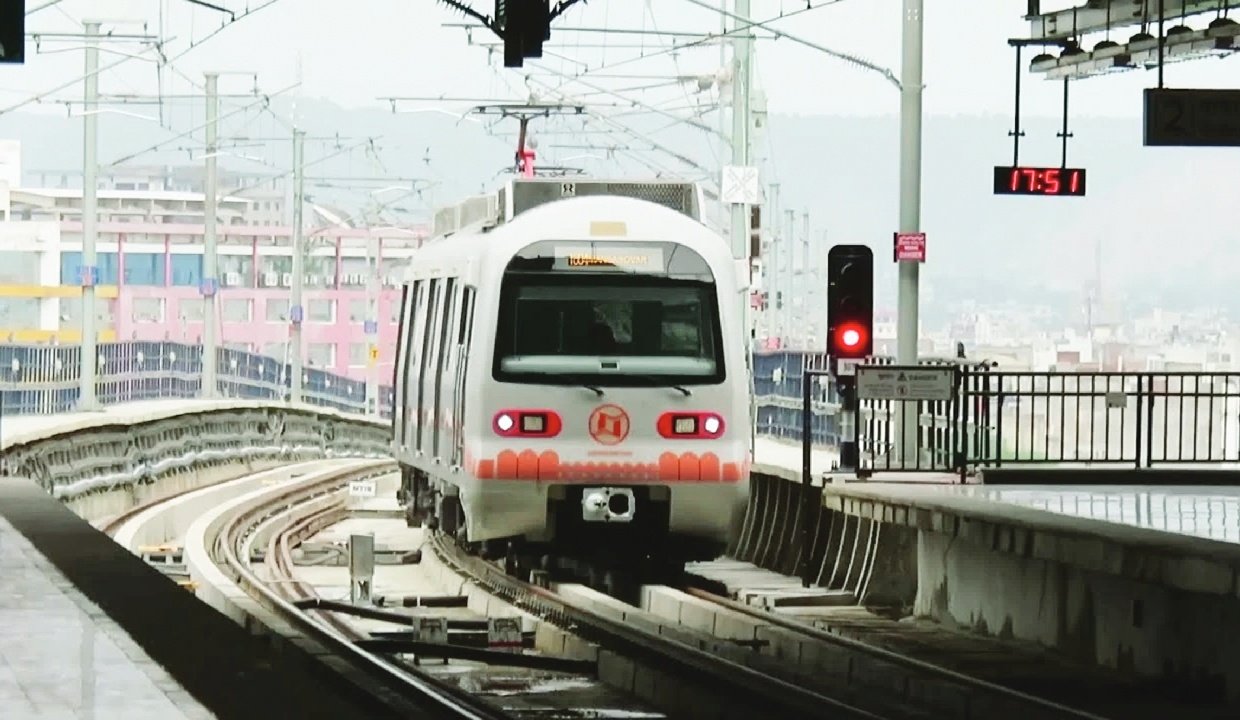
Urban mobility in Rajasthan’s capital is set for a significant transformation after the Union government approved a major expansion of the city’s rapid transit system through the Jaipur Metro Phase 2 project. The new corridor, stretching roughly 41 kilometres across the city’s north–south axis, is expected to reshape commuting patterns while supporting the long-term goal of building a low-emission and efficient transport network. The project, with an estimated investment exceeding ₹13,000 crore, will be implemented through a joint venture between the central and state governments. Designed to integrate with the operational metro corridor, the expansion will create a more comprehensive urban transit grid connecting residential zones, employment clusters, institutional hubs and key transport gateways.
Urban transport planners say the Jaipur Metro Phase 2 corridor is intended to strengthen connectivity between emerging industrial areas, dense residential neighbourhoods and the city’s airport zone. By linking industrial belts, healthcare institutions, major road corridors and educational centres, the project aims to address the rising demand for reliable public transport in a rapidly growing metropolitan region. The corridor will also intersect with the existing east–west metro line that currently runs across central Jaipur. That operational section, though relatively short, has already demonstrated the city’s appetite for rail-based transit, carrying tens of thousands of passengers each day. Officials expect ridership to increase significantly once the expanded network becomes operational, as commuters gain access to more direct routes and better interchange facilities. Infrastructure experts note that expanding metro systems in tier-two cities is increasingly seen as essential for balancing economic growth with environmental sustainability. Jaipur, known for its historic urban core and expanding suburban districts, has faced mounting traffic congestion and rising private vehicle ownership in recent years. Rail-based public transport offers an alternative that can reduce emissions while improving travel reliability.
The project is also being aligned with transit-oriented development strategies promoted under state urban planning policies. These frameworks encourage compact, mixed-use neighbourhoods around metro stations, enabling residents to access jobs, housing and services within shorter distances. Such planning approaches are widely regarded as critical for creating climate-resilient and inclusive cities. Funding for the corridor is expected to come from a combination of government equity, institutional financing and multilateral support mechanisms, consistent with national metro development policies. Authorities have indicated that the project has cleared multiple levels of technical and economic evaluation, including assessments of its long-term social and economic returns. Construction timelines suggest that the expanded metro network could become operational by the early 2030s, subject to engineering and financing milestones.
Once completed, the Jaipur Metro Phase 2 corridor is expected to reduce travel times across the city, improve access to employment zones and encourage greater use of public transport. For a city balancing heritage conservation with rapid urbanisation, the success of this expansion may ultimately depend on how effectively metro connectivity is integrated with feeder systems, pedestrian networks and broader sustainable mobility strategies.