


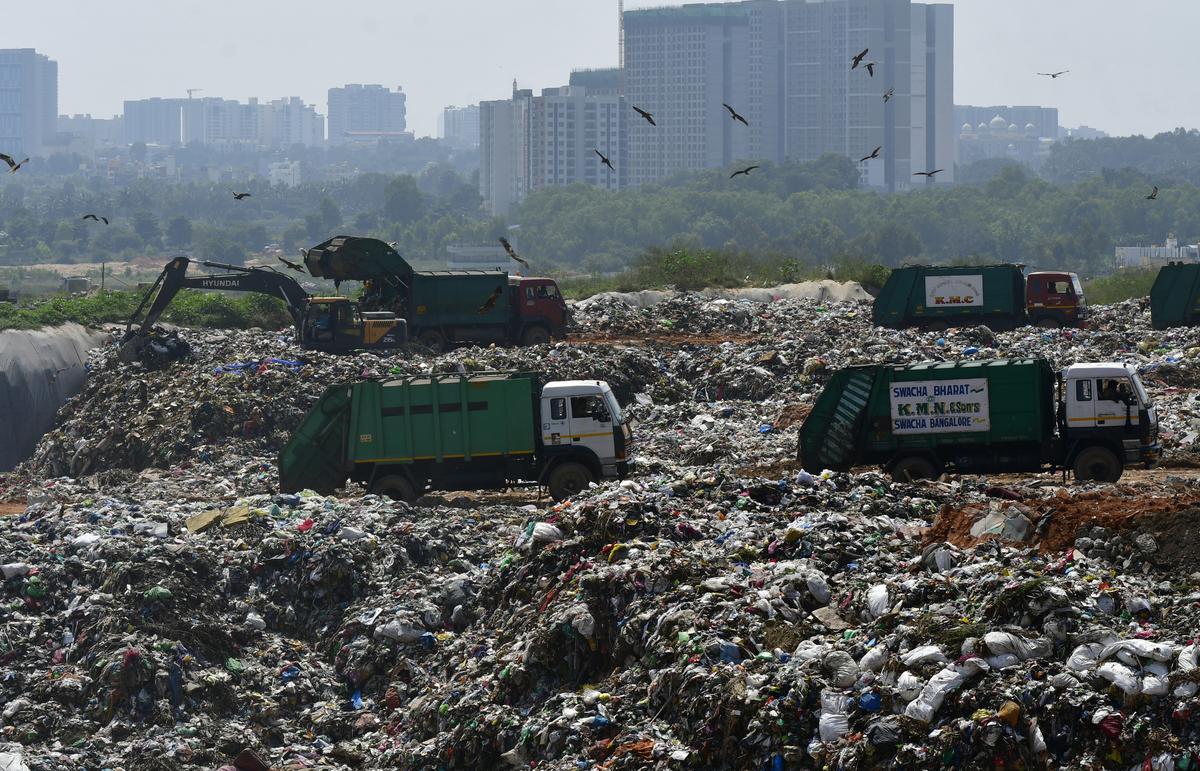
A rise in garbage-related complaints in parts of south Bengaluru is raising concerns about the consistency of urban service delivery in areas once considered among the city’s cleanest.
The trend highlights emerging Bengaluru waste management challenges as rapid urbanisation, population density, and infrastructure gaps place increasing pressure on civic systems.Residents in several neighbourhoods have reported delays in waste collection, overflow of bins, and irregular disposal practices, indicating disruptions in the city’s sanitation network. While Bengaluru has long positioned itself as a leader in decentralised waste management, the recent surge in complaints suggests that maintaining service standards across expanding urban zones remains a significant challenge.Urban planners point out that Bengaluru waste management systems are under strain due to the growing volume of solid waste generated by households and commercial establishments. As the city continues to expand, existing infrastructure and collection mechanisms must adapt to handle higher loads while ensuring timely and efficient operations.The issue also reflects the complexity of coordinating multiple stakeholders involved in waste management, including municipal authorities, contractors, and local communities. Breakdowns in any part of this chain can lead to visible service disruptions, affecting both public health and quality of life.From an environmental perspective, inefficient waste management can have serious consequences. Accumulated garbage can lead to contamination of soil and water sources, increased greenhouse gas emissions, and the proliferation of disease vectors.
Addressing these risks requires not only operational improvements but also a stronger emphasis on waste segregation and recycling.Experts emphasise that Bengaluru waste management must evolve towards more sustainable and technology-driven solutions. Real-time monitoring of collection routes, data-driven planning, and improved logistics can enhance efficiency and reduce service gaps. At the same time, decentralised processing systems can help manage waste closer to its source, reducing the burden on centralised facilities.Community participation is another critical factor. Encouraging residents to adopt segregation practices and reduce waste generation can significantly improve system performance. Public awareness campaigns and incentives can play a key role in driving behavioural change.The economic implications are also noteworthy.Inefficient waste management can increase operational costs for municipal bodies and affect local businesses, particularly in areas where cleanliness is a key factor in attracting customers. Maintaining high sanitation standards is essential for sustaining urban competitiveness.The current situation underscores the need for continuous investment in civic infrastructure and governance. Strengthening accountability mechanisms, improving service delivery models, and ensuring adequate resources are essential to restoring public confidence.
As Bengaluru grapples with these emerging challenges, the focus will be on reinforcing its waste management framework to meet the demands of a growing city. Addressing the current gaps effectively will be crucial to preserving urban livability and ensuring that cleanliness remains a defining feature of the city’s development trajectory.
Also Read:Bengaluru Investment Strategy Showcased At National Delhi Summit
