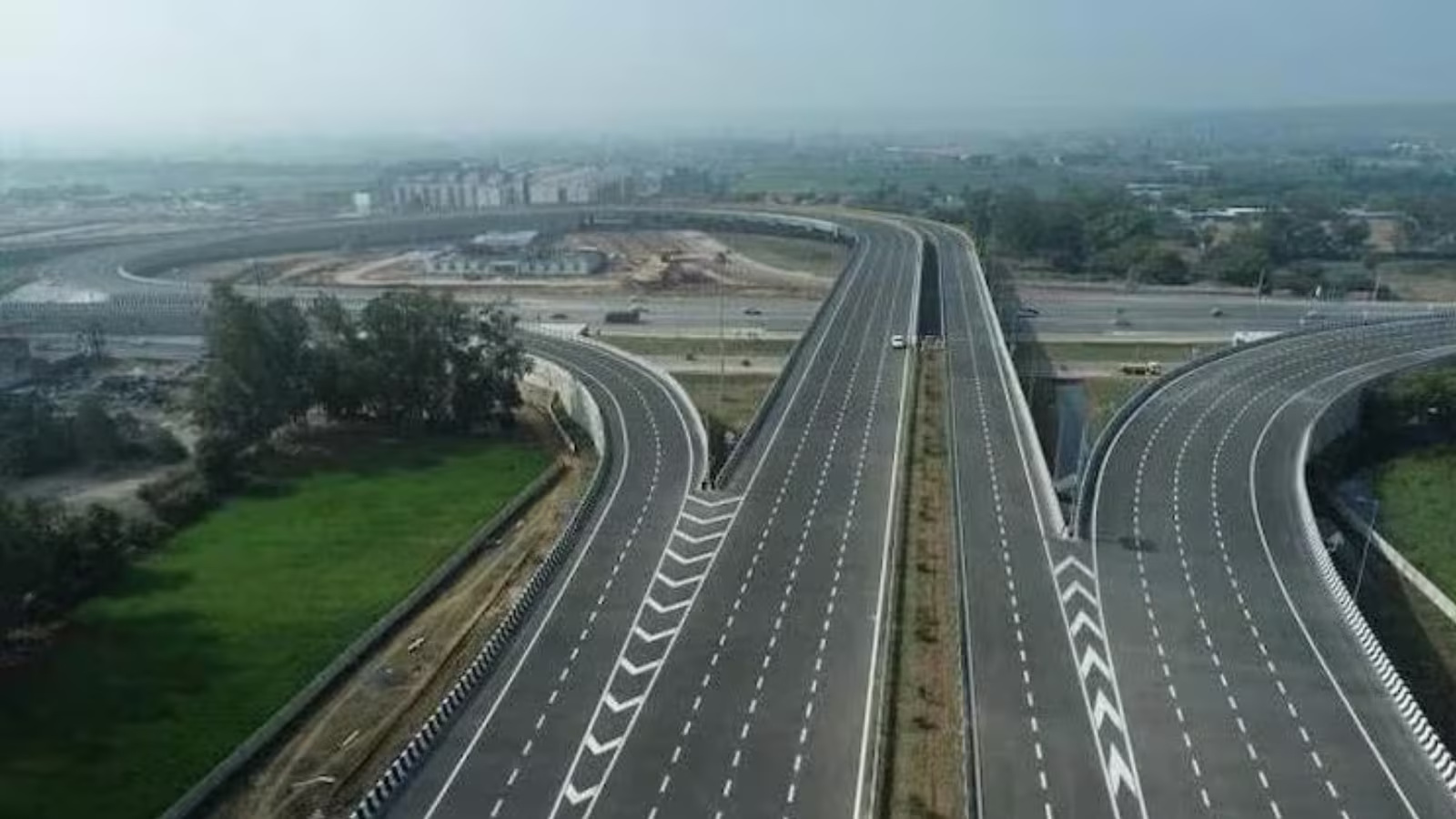
The opening of the Delhi Dehradun Expressway is expected to significantly reshape regional property dynamics across northern India, with real estate analysts anticipating notable price appreciation and new development activity in cities located along the corridor. The high-speed highway, linking the national capital to Uttarakhand’s capital, is emerging as a strategic infrastructure project capable of extending urban growth beyond traditional metropolitan boundaries. The 213-kilometre expressway, developed at an estimated cost of nearly ₹12,000 crore, reduces travel time between Delhi and Dehradun to roughly two and a half hours. This improvement in regional connectivity is already triggering renewed interest among developers, investors, and homebuyers in multiple micro-markets positioned along the route.
Industry observers say the Delhi Dehradun Expressway could increase property values in several intermediate cities and towns by between 15 and 25 percent over the next two years. Areas such as Ghaziabad, Loni, Muzaffarnagar, Saharanpur and parts of Dehradun are expected to experience the strongest impact as improved accessibility encourages both residential and commercial investment. Urban planners note that the expressway is not simply a transport project but a corridor of economic opportunity. By enabling faster mobility between the National Capital Region and emerging tier-2 cities, the Delhi Dehradun Expressway has the potential to decentralise development, distribute economic activity more evenly, and reduce pressure on Delhi’s already stretched housing and infrastructure networks. The highway also aligns with a broader trend in India’s urban development strategy, where major expressways and logistics corridors are increasingly shaping real estate growth patterns. Improved connectivity often leads to the emergence of satellite townships, logistics hubs, and warehousing clusters, particularly in regions where land remains comparatively affordable.
Real estate consultants point out that western Uttar Pradesh could benefit significantly from this transformation. Cities such as Muzaffarnagar and Saharanpur are likely to attract industrial and warehousing investments due to their strategic position along the corridor. Improved connectivity to Delhi’s consumer markets and freight networks may further strengthen these locations as logistics nodes. At the same time, improved connectivity could stimulate residential demand from buyers seeking relatively affordable housing options outside expensive urban cores. Experts suggest that improved road infrastructure often encourages migration patterns where professionals choose to live in emerging towns while maintaining employment connections with major metropolitan centres. However, urban development specialists caution that sustained growth along infrastructure corridors depends on careful planning. Without coordinated land-use policies, public transport integration, and environmental safeguards, rapid development can strain resources and lead to unplanned urban sprawl.
For policymakers, the expressway therefore presents both an opportunity and a challenge: guiding corridor-led growth in a way that balances economic expansion with sustainable urban planning. As connectivity improves across the Delhi-Uttarakhand region, the project is expected to play a pivotal role in shaping the next phase of regional urbanisation and real estate investment.