


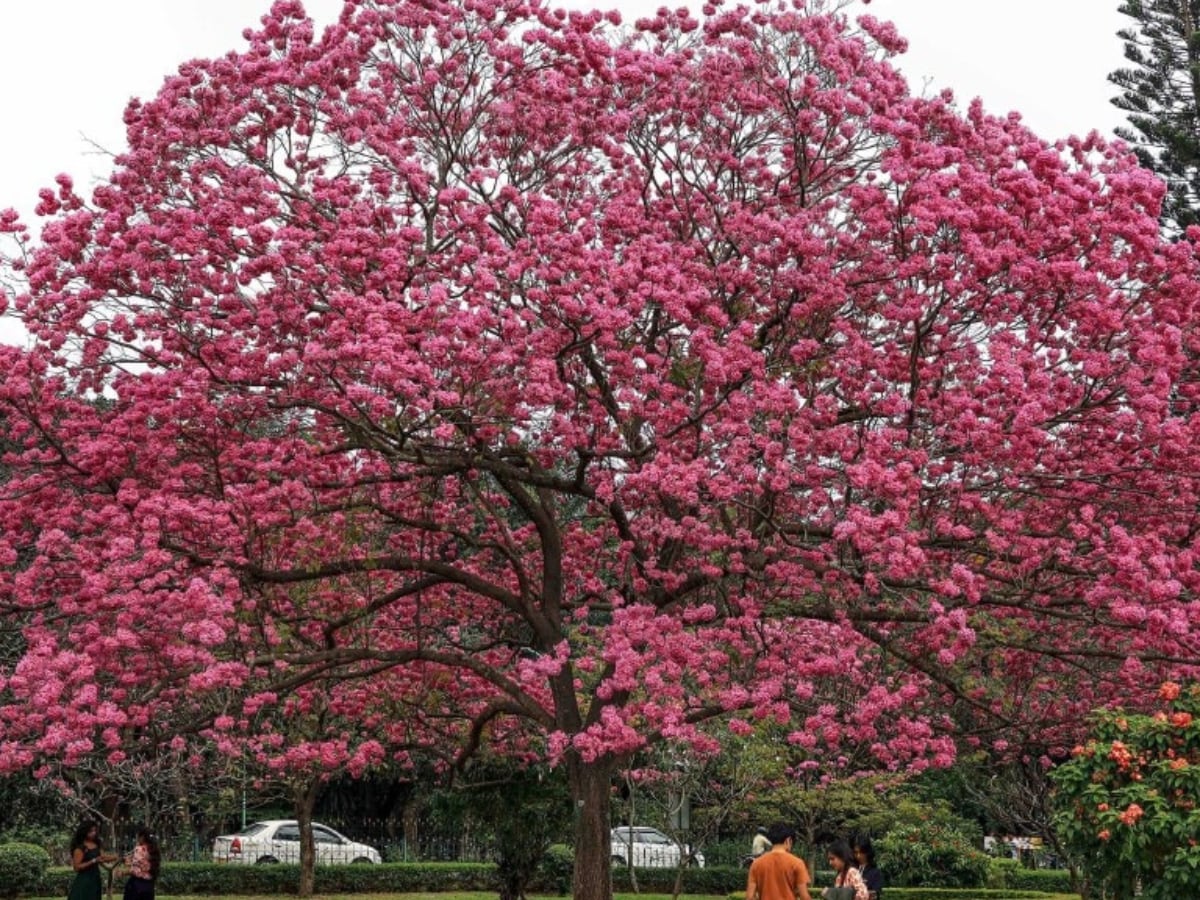
Chennai’s urban landscape is undergoing a seasonal transformation as tree-lined streets across the city burst into soft pink hues, driven by the blooming of tabebuia trees.
The annual spectacle is drawing attention to the role of urban greenery in enhancing city aesthetics, microclimate regulation, and overall livability in dense metropolitan environments.The spread of the Tabebuia rosea bloom across Chennai highlights how planned urban planting can shape both visual identity and environmental performance.These trees, known for their vibrant seasonal flowering, have become a defining feature of several neighbourhoods, creating shaded corridors that contribute to cooling and improved pedestrian comfort during peak summer months.Urban ecologists note that such flowering cycles coincide with rising temperatures, offering not just aesthetic value but also functional benefits. Tree canopies help reduce surface heat, mitigate the urban heat island effect, and improve air quality—critical factors in a city like Chennai, where summer temperatures can be intense and prolonged.The Chennai tabebuia bloom also reflects broader trends in urban planning that emphasise the integration of green infrastructure into city design. Tree-lined avenues, parks, and green buffers are increasingly being recognised as essential components of resilient urban systems. They provide ecological services while enhancing the quality of public spaces, making cities more liveable and attractive.From an economic and social perspective, the visual transformation of Chennai’s streets contributes to the city’s cultural and tourism appeal.
Seasonal blooms often draw visitors and encourage local engagement with public spaces, supporting small businesses and informal economies in surrounding areas.Such natural events can play a subtle yet meaningful role in shaping urban experiences.Experts highlight that maintaining and expanding urban tree cover requires sustained planning and investment. Selecting species that are well-suited to local climatic conditions, ensuring proper maintenance, and protecting existing green assets are critical to maximising long-term benefits. The success of the Chennai tabebuia bloom demonstrates the potential of strategic planting initiatives.Sustainability considerations are central to this approach. Urban greenery supports biodiversity, improves water retention, and contributes to climate resilience. In the context of increasing climate variability, cities must prioritise green infrastructure alongside built development to create balanced and adaptive environments.The phenomenon also underscores the importance of community awareness and participation. Residents play a key role in preserving and appreciating urban green spaces, ensuring that such assets are protected from encroachment and degradation.As Chennai continues to expand, the seasonal bloom of tabebuia trees serves as a reminder of the value of integrating nature into urban design.
The ongoing Chennai tabebuia bloom not only enhances the city’s visual character but also reinforces the importance of sustainable planning practices that prioritise environmental health and public well-being.Looking ahead, the challenge will be to scale such green initiatives across the city, ensuring that the benefits of urban tree cover are equitably distributed while supporting Chennai’s long-term climate resilience and quality of life.
Also Read:Chennai Student Programmes Expand With Free Summer Activities
