


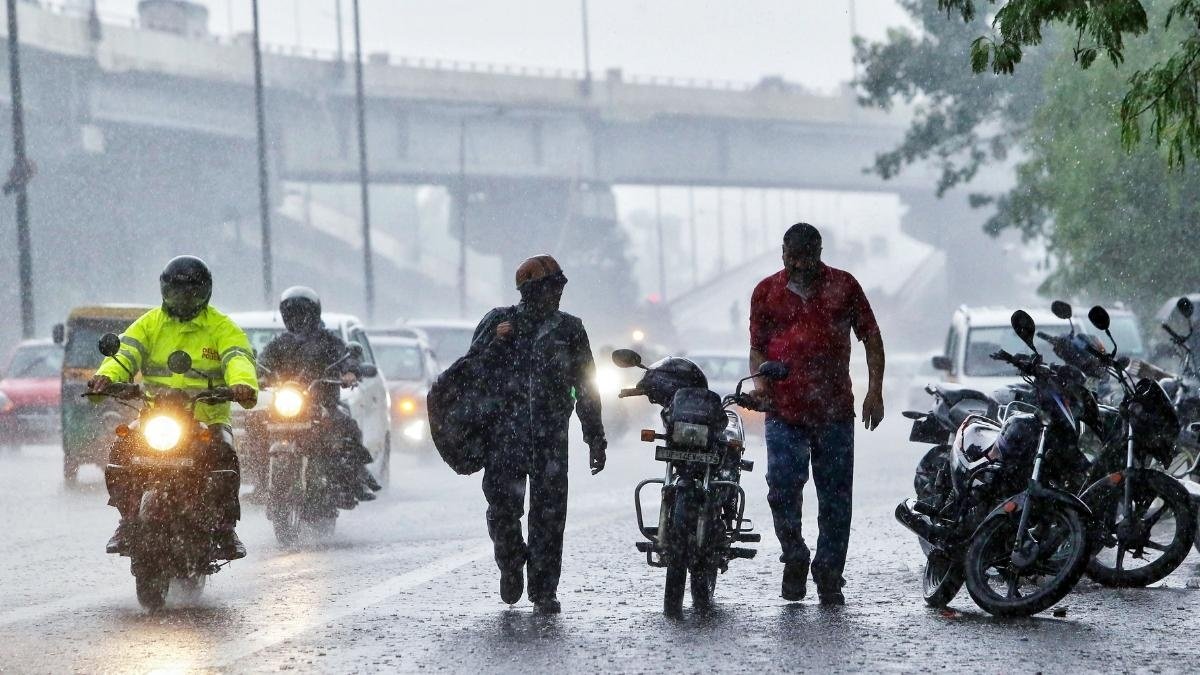
Municipal authorities in Surat have intensified scrutiny of civic departments responsible for monsoon preparedness after a review exposed delays in critical infrastructure work. The assessment of the city’s Surat pre monsoon preparedness revealed gaps in drainage maintenance, desilting operations and field-level supervision, prompting senior administrators to warn of disciplinary action against officials failing to meet deadlines. The review focused on the progress of essential preventive measures that cities typically undertake before the arrival of the southwest monsoon. These include cleaning stormwater drains, clearing silt from canals, repairing pumping stations and ensuring that flood-prone neighbourhoods are protected from waterlogging. Officials involved in the review indicated that shortcomings in Surat pre monsoon preparedness could increase the risk of flooding during heavy rainfall events.
Surat, located along the Tapi river basin and close to the Arabian Sea, faces recurring challenges during intense monsoon periods. Rapid urban growth, expanding residential areas and increased paved surfaces have placed additional pressure on drainage infrastructure. As a result, municipal authorities treat Surat pre monsoon preparedness as a critical component of the city’s annual urban resilience strategy. Urban planners note that preventive maintenance of drainage networks is essential for cities experiencing high rainfall intensity. When stormwater channels are clogged with debris or silt, even moderate rainfall can overwhelm urban infrastructure, leading to flooded roads, traffic disruptions and damage to homes and businesses. The municipal review reportedly examined multiple zones across the city, evaluating the progress of desilting work, canal cleaning and maintenance of pumping infrastructure. Officials responsible for different zones were asked to accelerate pending work and improve field-level monitoring to ensure that all systems are operational before the monsoon season begins. Experts in climate resilience say that strengthening Surat pre monsoon preparedness is becoming increasingly important as climate patterns shift. Several Indian cities have reported more erratic rainfall, including short periods of extremely heavy downpours that can overwhelm drainage systems designed for older climate conditions. Beyond flood prevention, pre-monsoon maintenance also plays a role in protecting public health. Blocked drains and stagnant water can create breeding grounds for mosquitoes and increase the risk of waterborne diseases during the rainy season. Ensuring drainage networks function properly helps reduce these risks for urban populations. Urban infrastructure specialists also emphasise that pre-monsoon preparedness must extend beyond maintenance activities. Integrating drainage planning with land-use regulation, green infrastructure and permeable urban surfaces can help cities absorb rainwater more effectively and reduce runoff pressure on drainage systems.
Municipal officials say that departments responsible for incomplete tasks have been instructed to accelerate their work immediately. Authorities have also emphasised accountability measures to ensure that delays do not compromise the city’s readiness for the upcoming monsoon. For Surat, where heavy rains can quickly disrupt daily life, the urgency around Surat pre monsoon preparedness reflects a broader urban governance priority: ensuring that infrastructure systems remain resilient as cities grow and climate risks intensify.
ALSO READ – Nagpur Civic Proposal Adds Shade Nets at Key Junctions
Surat Pre Monsoon Review Exposes Civic Preparedness Gaps
