


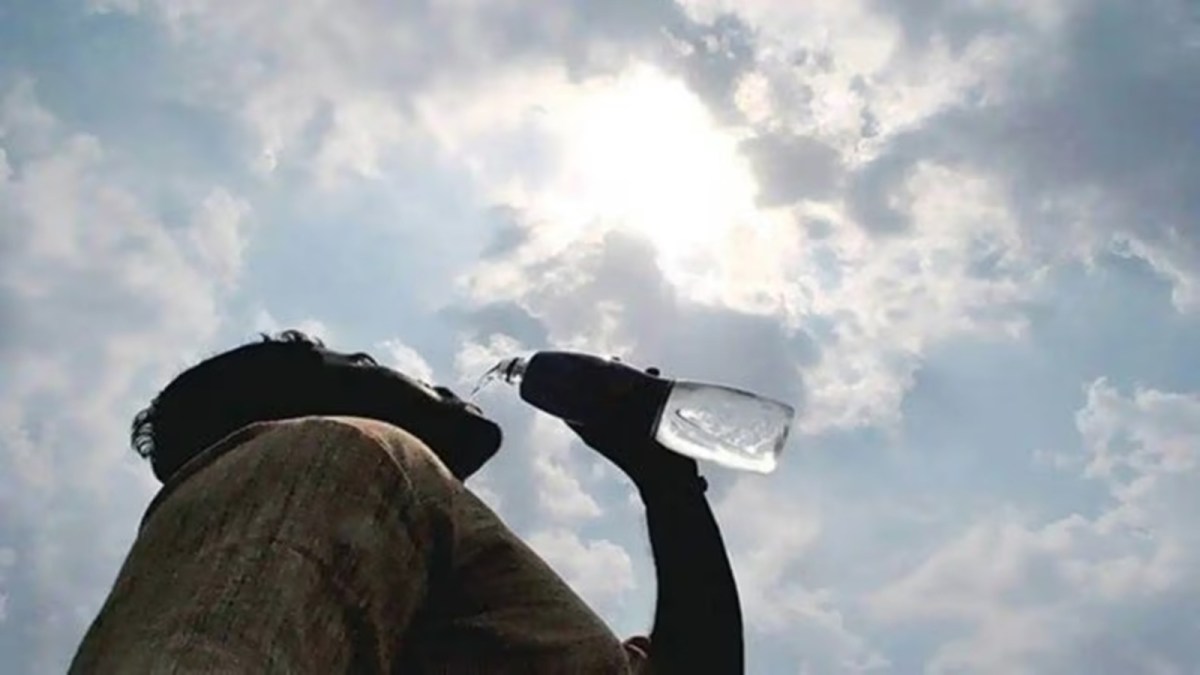
Facing intense summer temperatures, civic authorities in Surat have introduced a temporary change in urban traffic management by suspending the operation of several traffic signals during the afternoon hours. The decision, part of the city’s Surat traffic signals heatwave plan, aims to reduce waiting times for motorists and commuters exposed to extreme heat while travelling through busy intersections. Officials overseeing urban mobility in the city indicated that select traffic signals will remain inactive during peak afternoon heat periods, typically when temperatures rise to uncomfortable levels for commuters. Under the Surat traffic signals heatwave plan, traffic police personnel will manually manage movement at key junctions to ensure road safety while allowing vehicles to move more freely without prolonged stops.
Surat, one of Gujarat’s fastest-growing cities and a major commercial hub, regularly experiences high summer temperatures. When vehicles remain stationary at intersections for long signal cycles, commuters—especially two-wheeler riders, delivery workers and pedestrians—are exposed to direct sunlight and elevated surface temperatures. Authorities believe the Surat traffic signals heatwave plan can reduce this exposure by allowing smoother vehicle flow during the hottest part of the day. Urban transport planners say such temporary traffic adjustments reflect how city administrations are increasingly adapting public infrastructure operations in response to climate-related challenges. Extreme heat events are becoming more frequent across Indian cities, requiring innovative approaches to protect citizens who spend significant time outdoors. The decision to modify signal operations also highlights the role of traffic management in improving urban liveability. Congestion at busy intersections often results in long queues of vehicles, increasing both commuter discomfort and localised air pollution due to idling engines. Allowing vehicles to move through intersections under manual supervision can help reduce heat exposure while easing traffic build-up. However, transport experts caution that disabling automated signals requires careful coordination to avoid confusion among drivers. Traffic personnel deployed at intersections must maintain clear movement patterns and ensure pedestrian crossings remain safe. Effective communication with motorists is also necessary to prevent accidents during the temporary change. The Surat traffic signals heatwave plan reflects a broader shift in urban governance where climate conditions are influencing everyday operational decisions. Cities traditionally focused on infrastructure expansion to handle growth, but climate adaptation is now becoming equally important in urban planning strategies. Environmental specialists emphasise that while temporary operational adjustments offer immediate relief, longer-term solutions should also address the underlying drivers of urban heat. Expanding tree canopy, introducing shaded pedestrian corridors and promoting public transport can help reduce heat exposure and improve urban mobility resilience.
Authorities have indicated that the traffic signal adjustment will remain in place during the most intense heat periods and may be reviewed depending on weather conditions. Traffic police teams will continue monitoring intersections to ensure smooth movement and safety for commuters. For Surat, the move signals how cities are beginning to integrate climate responsiveness into routine civic management. The Surat traffic signals heatwave plan demonstrates that even operational changes in traffic systems can contribute to protecting citizens during extreme weather events.
ALSO READ – Surat Pre Monsoon Review Exposes Civic Preparedness Gaps
Surat Traffic Signals Shut During Afternoon Heatwave Hours
