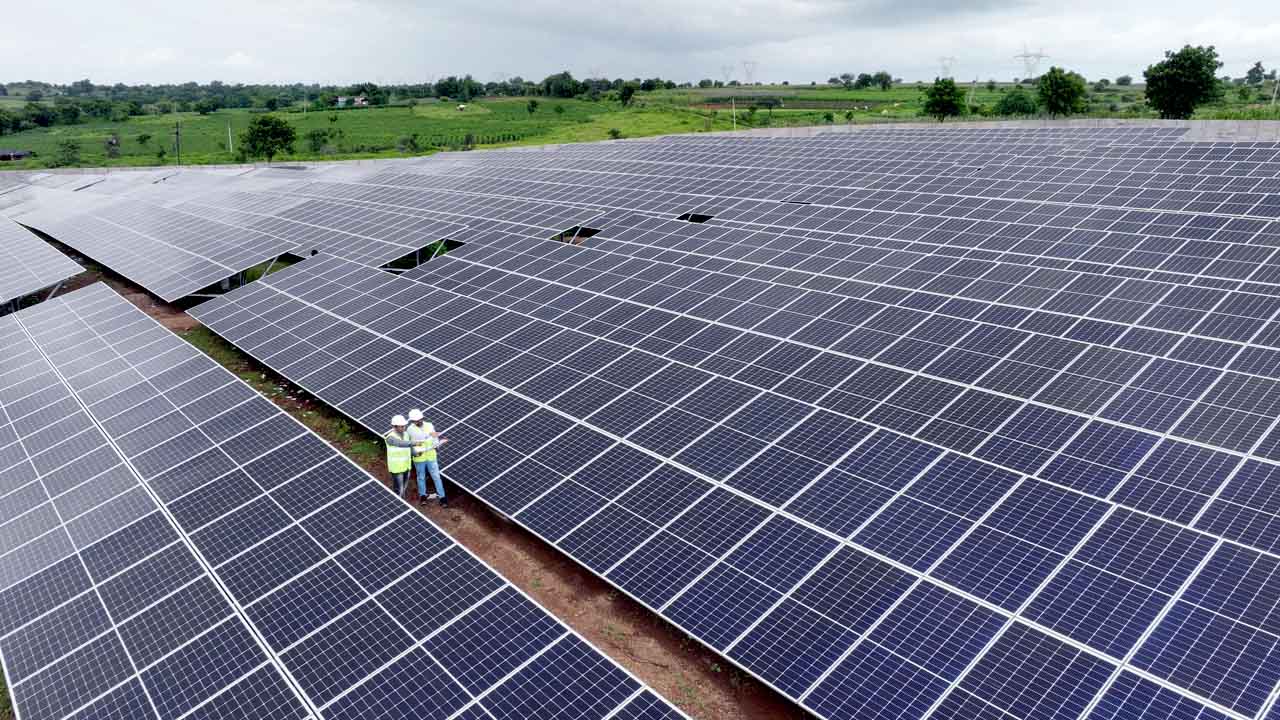
Kochi Solar Growth Stalls Amid Grid Capacity Limits
Kochi’s transition towards rooftop solar energy is facing an unexpected slowdown as grid infrastructure struggles to keep pace with rising adoption, with Kerala State Electricity Board Ltd (KSEB) pausing new solar connections in several parts of the city. The constraint, driven by transformer capacity limits, highlights a critical gap between clean energy ambitions and distribution readiness in rapidly urbanising regions.
The issue stems from saturation in local transformers managed by Kerala State Electricity Board Ltd, which are unable to safely accommodate additional solar power being fed into the grid. Under existing norms, solar connectivity is capped at a percentage of transformer capacity to prevent overload and system failures. With this threshold reached in multiple areas, new installations are effectively being held back. The situation reflects a paradox within Kochi’s energy landscape. While rooftop solar adoption has accelerated as households seek to reduce electricity costs and carbon footprints, the mismatch between daytime generation and consumption patterns is placing pressure on grid infrastructure. Much of the solar energy generated during the day is not consumed immediately and is instead exported to the grid, intensifying load on distribution systems managed by Kerala State Electricity Board Ltd. Industry estimates indicate that solar installations in Kochi—one of Kerala’s leading urban centres for rooftop solar—have already seen a noticeable decline due to these constraints. The city contributes a significant share of the state’s distributed solar output, making the slowdown particularly consequential for Kerala’s renewable energy targets.
In response, Kerala State Electricity Board Ltd has initiated infrastructure upgrades, including the deployment of battery energy storage systems (BESS) aimed at absorbing excess solar generation and stabilising supply. A large-scale storage facility has already been commissioned in the state, with additional installations planned across districts. However, officials acknowledge that these measures alone may not fully resolve the structural imbalance between generation and grid capacity. The challenge also underscores broader issues in India’s decentralised energy transition. While rooftop solar is central to reducing emissions and promoting energy independence, its integration requires significant upgrades in grid flexibility, storage, and demand management. Without these, distribution networks risk becoming bottlenecks rather than enablers of clean energy growth.For urban planners and policymakers, the Kochi experience offers important lessons. Aligning renewable energy expansion with infrastructure planning is critical to avoid disruptions and maintain investor confidence. Encouraging daytime energy consumption, integrating smart appliances, and incentivising decentralised storage solutions are among the strategies being considered to ease grid stress.At the same time, the situation raises questions around equity and accessibility. While rooftop solar has been promoted as a cost-saving and sustainable solution for households, additional investments in storage systems may increase upfront costs, potentially limiting adoption among middle-income consumers.
Looking ahead, the path forward will depend on how quickly Kerala State Electricity Board Ltd can scale its infrastructure to match demand. As Indian cities accelerate their shift towards renewable energy, ensuring that grid systems evolve in parallel will be essential to building resilient, low-carbon urban ecosystems.