


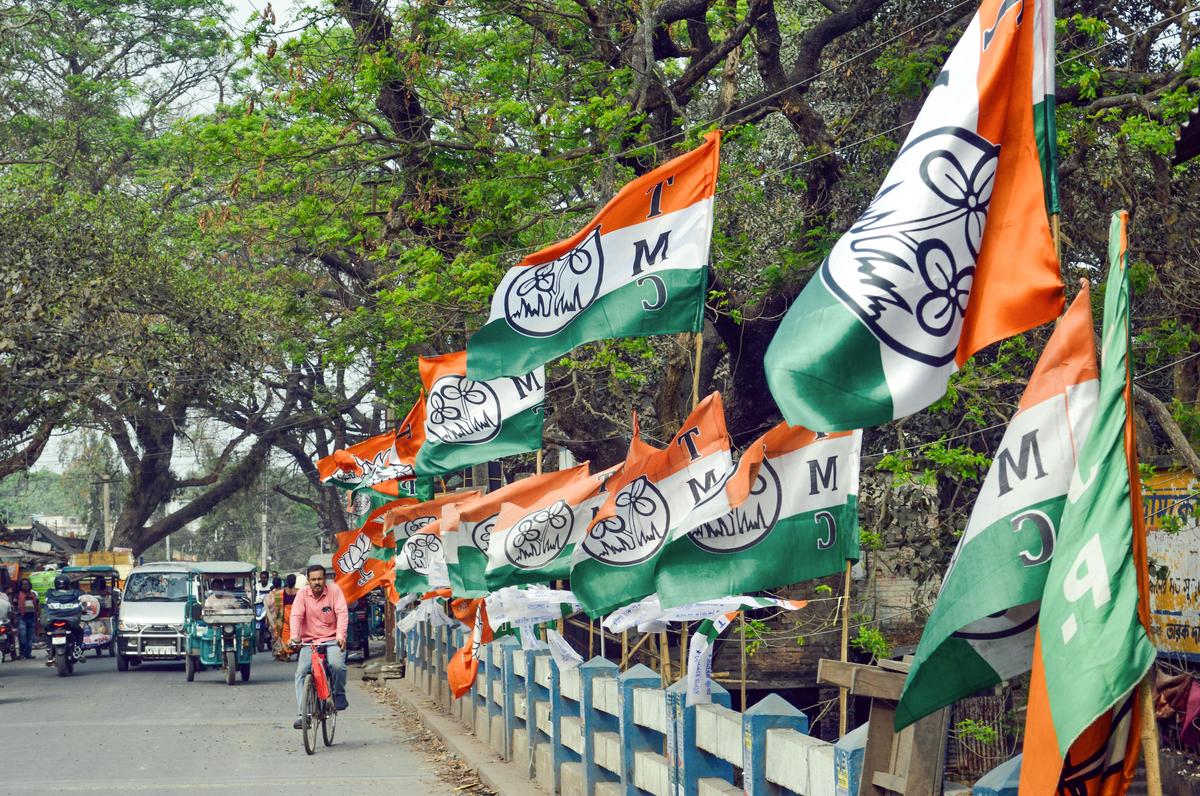
An incident involving the participation of foreign nationals in a political rally in Kolkata has prompted renewed scrutiny of electoral compliance frameworks and event management protocols in urban centres.
Authorities have initiated action under existing legal provisions, bringing attention to the intersection of public gatherings, governance, and regulatory enforcement in densely populated cities.The case centres on individuals reportedly attending a campaign event, raising questions about the extent to which political organisers verify participants and adhere to legal norms governing public mobilisation. In cities like Kolkata, where large-scale rallies are a routine feature of the political landscape, ensuring compliance with electoral laws is a complex task involving coordination between law enforcement, civic agencies, and event organisers.Urban governance experts note that political events often test the limits of city infrastructure and regulatory systems. From crowd management and traffic control to security and legal compliance, such gatherings require robust planning and oversight. The involvement of foreign nationals in this instance has added another layer of complexity, highlighting potential gaps in monitoring mechanisms and the need for clearer accountability structures.The issue also reflects broader challenges faced by metropolitan areas during election cycles.
High-density populations, mixed-use urban spaces, and extensive informal networks can make it difficult to track and regulate participation in public events.Strengthening verification processes and enhancing coordination between agencies are seen as essential steps to address these challenges without disrupting democratic activities.From a policy perspective, the incident underscores the importance of transparent and inclusive electoral practices.Ensuring that political engagement remains within the bounds of the law is critical not only for governance but also for maintaining public trust in democratic institutions. Experts suggest that clearer guidelines and stricter enforcement could help prevent similar occurrences in the future, particularly in cities with high levels of political mobilisation.The situation has also sparked discussion around the role of technology in improving compliance. Digital tools for participant registration, surveillance, and real-time monitoring could provide authorities with better visibility and control over large gatherings. However, such measures would need to be balanced with privacy considerations and the right to peaceful assembly.
As Kolkata continues to host large political events, the focus is likely to shift towards refining regulatory frameworks that can accommodate democratic expression while ensuring legal adherence and public safety. The outcome of this case may influence how urban administrations across India approach the governance of mass political gatherings in the years ahead.
Also Read:Kolkata Cultural Institution Celebration Boosts Urban Economy
