


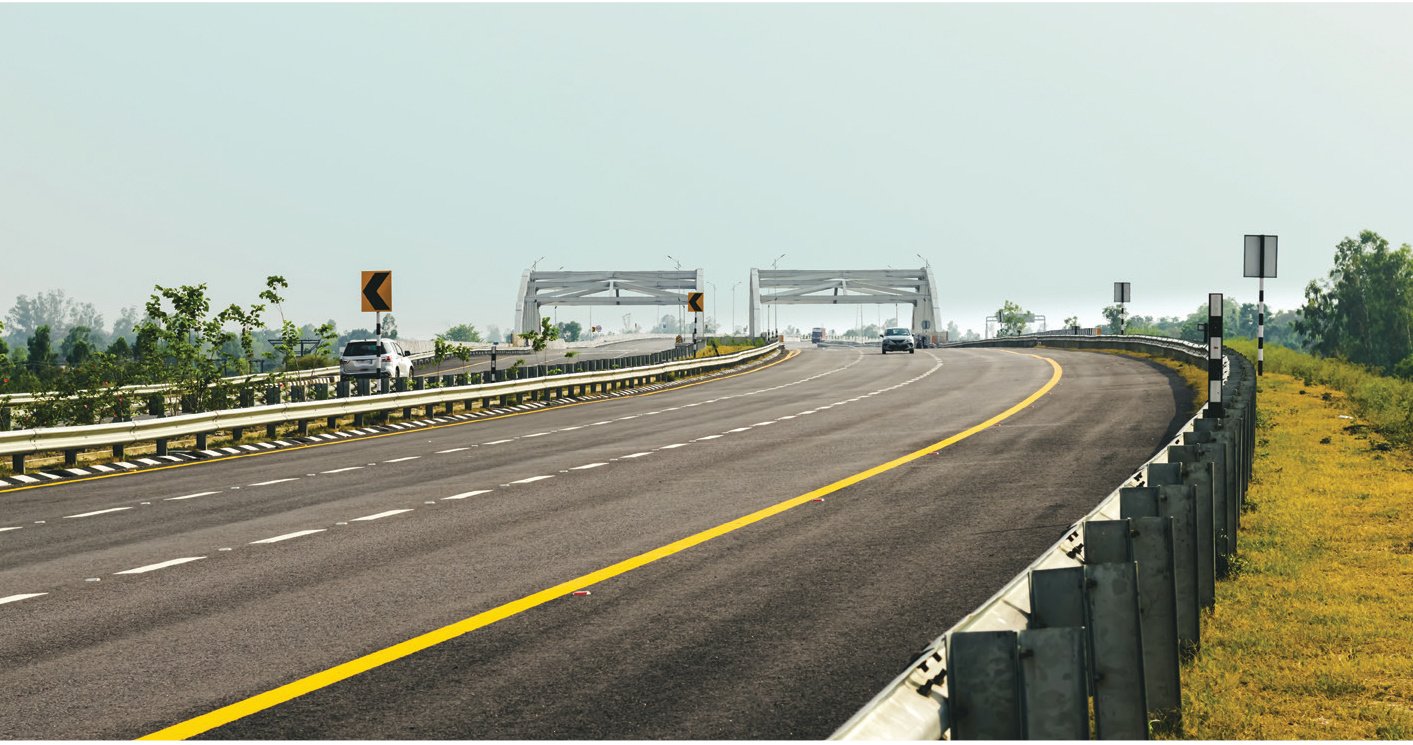
Road safety conditions in the rural belt surrounding Nagpur have improved significantly over the past year, with official records showing a sharp decline in fatal traffic incidents. Authorities report that Nagpur rural road fatalities have dropped by nearly 30 percent compared with the previous year, bringing the number of deaths on district roads to the lowest level recorded in about eight years. Transport officials attribute the decline to a combination of stronger traffic enforcement, better monitoring of high-risk routes and gradual improvements in road infrastructure across villages and smaller towns connected to the city. The rural road network around Nagpur plays a crucial role in linking agricultural communities to urban markets and logistics hubs, making safety along these routes a priority for local authorities.
Police units responsible for highway safety have intensified checks on speeding vehicles, helmet usage and drunk driving violations in recent months. According to officials overseeing traffic operations, targeted enforcement campaigns were launched on stretches of road identified as accident-prone, particularly where heavy vehicles and two-wheelers frequently share narrow corridors. Infrastructure upgrades have also contributed to the improvement. Several rural routes in the district have undergone repairs, widening and the installation of clearer road signage. Experts note that measures such as reflective markings, speed breakers near populated areas and improved road lighting can significantly reduce the likelihood of serious accidents. The reduction in Nagpur rural road fatalities highlights the growing recognition that road safety requires coordinated action across multiple agencies. Transport departments, police units and local administrations have increasingly collaborated to identify accident hotspots and implement preventive measures. Rural roads present unique safety challenges compared with urban streets. Vehicles travelling at high speed often pass through villages where pedestrians, cyclists and livestock share the same roadway. In addition, limited public transport options mean that motorcycles remain the most common mode of travel for many residents, increasing vulnerability in the event of a collision. Emergency response systems have also improved in recent years. Faster ambulance services and better coordination with nearby healthcare facilities have helped reduce the time between accidents and medical treatment. Authorities say quicker response times can significantly lower fatality rates in severe crashes. Urban mobility specialists point out that safer rural roads also support regional economic activity. Nagpur serves as a central logistics hub for central India, and many supply chains depend on smooth movement of agricultural produce and goods between villages and urban markets. Maintaining the downward trend in Nagpur rural road fatalities will require sustained enforcement and continued infrastructure investment. Experts suggest that further improvements could include intelligent traffic monitoring systems, community road safety awareness programmes and safer road design standards.
For policymakers, the recent progress offers an example of how targeted interventions can improve road safety outcomes. As traffic volumes continue to grow across central India, ensuring safer rural mobility corridors will remain essential for both public safety and regional economic connectivity.
ALSO READ – Nagpur station platform access limited during redevelopment
Nagpur rural road deaths drop to eight year low
