



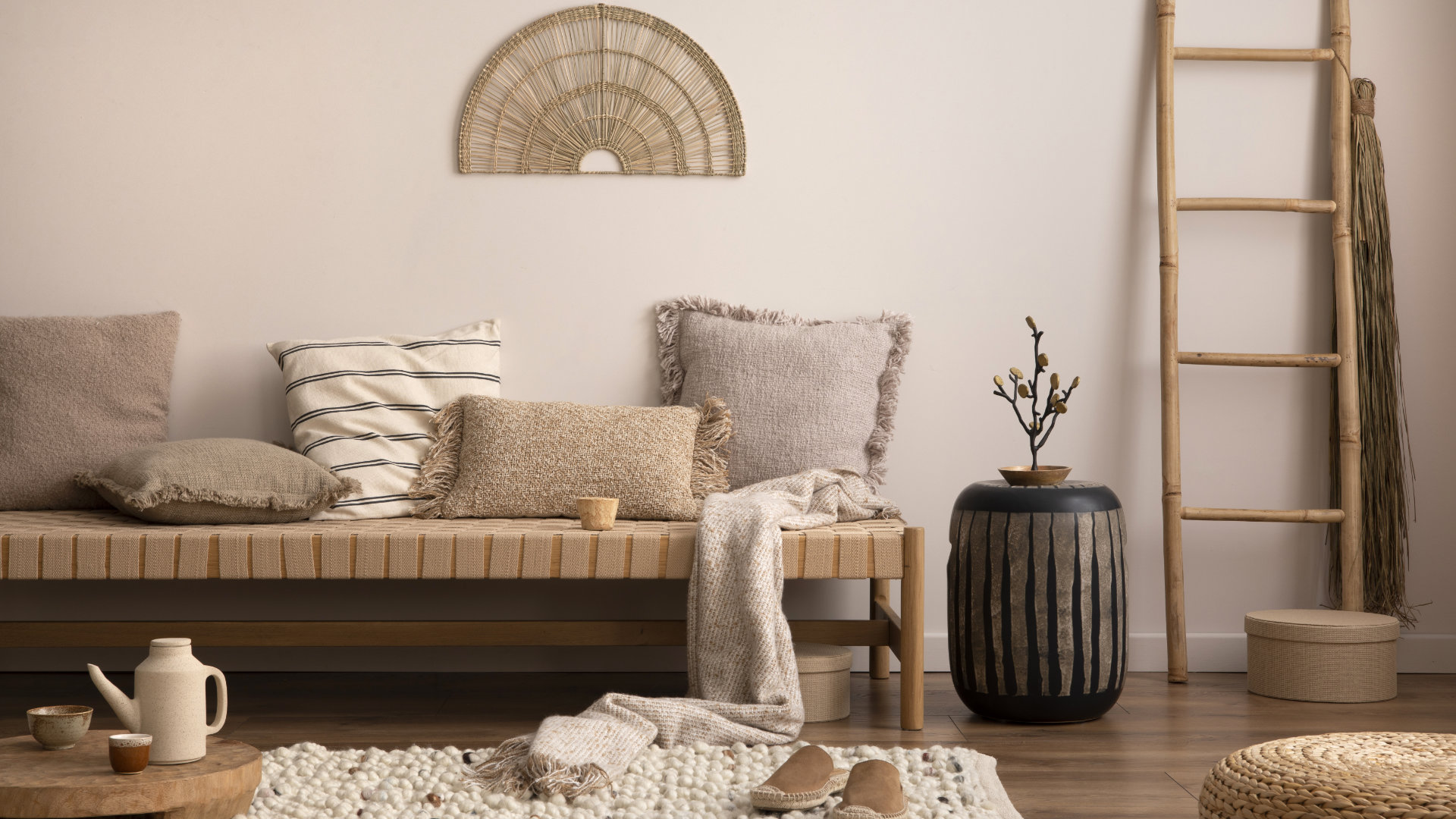
Delhi’s premium interiors market is witnessing a shift towards experience-led retail, with the launch of a large-format design destination that blends global craftsmanship with curated spatial storytelling. The new 20,000 sq ft facility by Strrot signals a growing demand for immersive, high-value home design solutions in urban India. Located in central Delhi, the store brings together international furniture, décor, and lifestyle brands under one roof, positioning itself as more than a conventional retail outlet. Instead, it functions as a hybrid space combining design gallery, concept rooms, and curated product displays aimed at architects, designers, and homeowners seeking cohesive interior solutions.
The expansion reflects broader changes in how urban consumers engage with home design. As residential spaces evolve into multifunctional environments—accommodating work, leisure, and social interaction—there is increasing demand for integrated, design-led offerings rather than fragmented purchases. The emergence of such experiential formats suggests a maturing interiors market aligned with global retail trends. A key feature of the store is its “concept room” approach, where curated environments allow visitors to visualise complete living spaces rather than individual products. This model is gaining traction in metropolitan markets, where consumers are seeking inspiration-driven buying journeys supported by professional design input. The presence of international brands—including European and Asian design houses—highlights India’s growing integration into the global interiors ecosystem. Products span furniture, lighting, art, and accessories, often characterised by artisanal craftsmanship and premium materials. At the same time, the platform also collaborates with domestic brands, creating a blend of global and local design narratives within a single retail environment. From an urban development perspective, such formats play a subtle but significant role. The rise of organised luxury interiors retail supports allied sectors including real estate, architecture, and design services. As cities expand and residential demand becomes more design-conscious, these ecosystems contribute to the overall quality and character of built environments. The development also reflects shifting consumption patterns among urban households. Increased disposable incomes, exposure to global design trends, and a growing emphasis on personalised living spaces are driving demand for premium interiors. Industry observers note that Delhi NCR, in particular, has emerged as a key hub for high-end home design, supported by a strong base of architects, developers, and affluent consumers. However, the growth of luxury interiors retail also raises questions around sustainability and material sourcing. As the sector expands, there is increasing focus on integrating eco-conscious materials, responsible production practices, and longer product life cycles into design offerings.
Looking ahead, the success of such experiential design hubs will depend on their ability to balance aesthetics with functionality and sustainability. As India’s urban landscape continues to evolve, spaces like Strrot are likely to influence not just how homes are furnished, but how design is experienced—shaping a more curated, globally connected approach to urban living.
ALSO READ – India Retail Leasing Trends Reshape City Markets
Delhi Strrot Store Redefines Luxury Interior Retail Experience
