


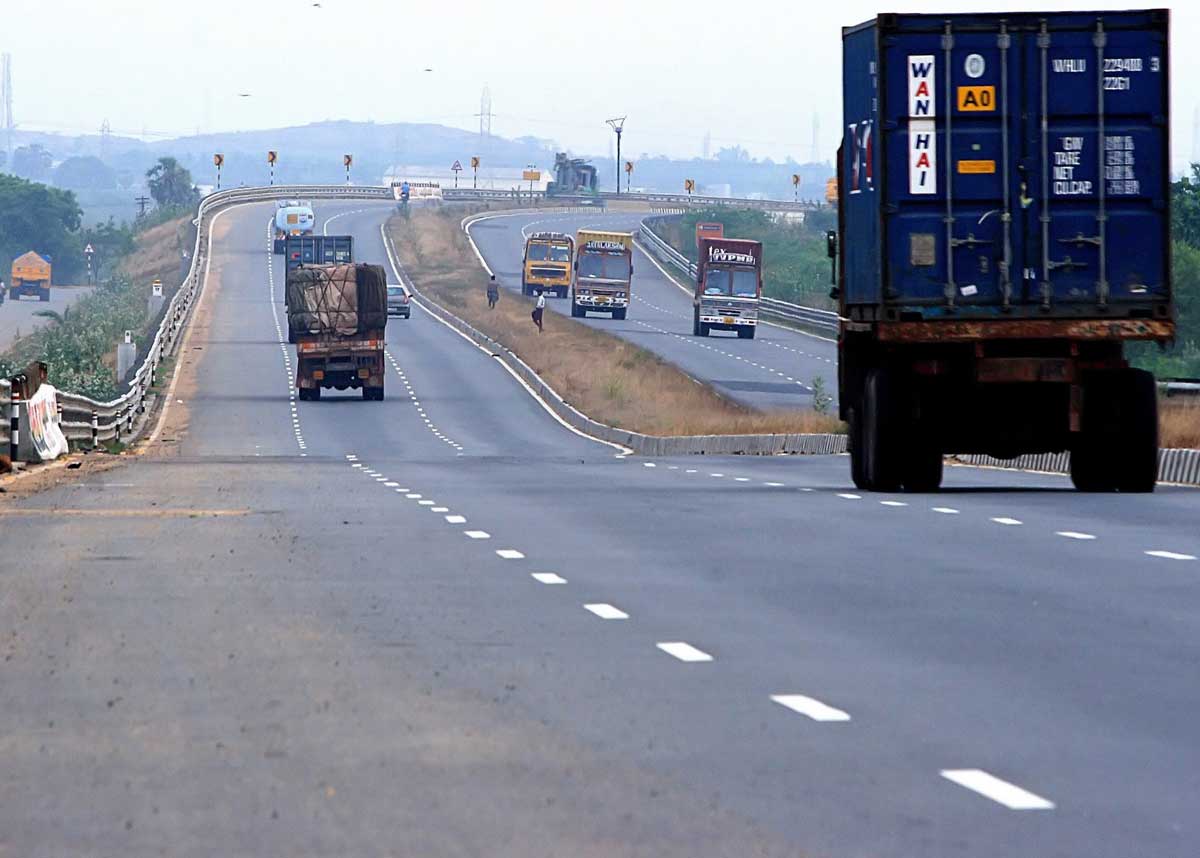
Improved road infrastructure along the Chennai Tirupati drive corridor is reshaping regional mobility, reducing travel time to nearly four hours and strengthening economic linkages between Tamil Nadu and Andhra Pradesh.
The smoother and faster journey reflects ongoing investments in highway upgrades, better surface quality, and streamlined traffic flow management across the route.For commuters and pilgrims alike, the enhanced Chennai Tirupati drive experience represents a shift towards more predictable and comfortable intercity travel. Reduced congestion, clearer signage, and improved road conditions are enabling consistent speeds, minimising delays that previously characterised the journey.Transport and infrastructure experts highlight that such improvements are not merely about convenience but have wider economic implications. Efficient road connectivity facilitates the movement of goods and services, supporting trade between urban and semi-urban regions. The corridor serves as a vital link for tourism, logistics, and small businesses that depend on reliable transport networks.The tourism sector, in particular, stands to benefit significantly. Tirupati, being one of the country’s most visited pilgrimage destinations, attracts millions of visitors annually. A smoother Chennai Tirupati drive enhances accessibility, potentially increasing visitor footfall and boosting local economies on both ends of the route. Hospitality, retail, and transport services are likely to see positive spillover effects.From an urban planning perspective, the development underscores the importance of regional connectivity in shaping metropolitan growth.
As cities like Chennai expand, well-integrated transport corridors help distribute economic activity beyond core urban areas, reducing pressure on city infrastructure while promoting balanced regional development.However, experts caution that improved road infrastructure must be complemented by sustainable mobility strategies. Increased vehicle movement can lead to higher emissions and environmental stress if not managed effectively. Integrating electric vehicle charging infrastructure, promoting shared mobility, and ensuring proper maintenance of green cover along highways are critical steps towards mitigating environmental impact.Safety remains another key consideration. While better roads can reduce travel time, they can also encourage higher speeds, increasing the risk of accidents if adequate enforcement and awareness measures are not in place. Authorities are urged to strengthen monitoring systems, implement speed controls, and enhance emergency response infrastructure along the corridor.Real estate trends are also beginning to reflect the impact of improved connectivity.Areas along the Chennai Tirupati drive route are witnessing growing interest from developers and investors, driven by enhanced accessibility and the potential for commercial and residential expansion. This could lead to the emergence of new growth corridors, provided development is planned sustainably.The broader significance of the corridor lies in its demonstration of how targeted infrastructure investments can transform regional mobility.
By reducing travel time and improving reliability, such projects contribute to economic efficiency, social connectivity, and overall quality of life.As India continues to invest in transport infrastructure, the evolution of routes like the Chennai Tirupati drive will play a crucial role in shaping integrated, resilient, and future-ready urban and regional systems.
Also Read:Chennai Fuel Prices Impact Urban Mobility Costs
