Nagpur Sanitation Strategy Aims For National Recognition
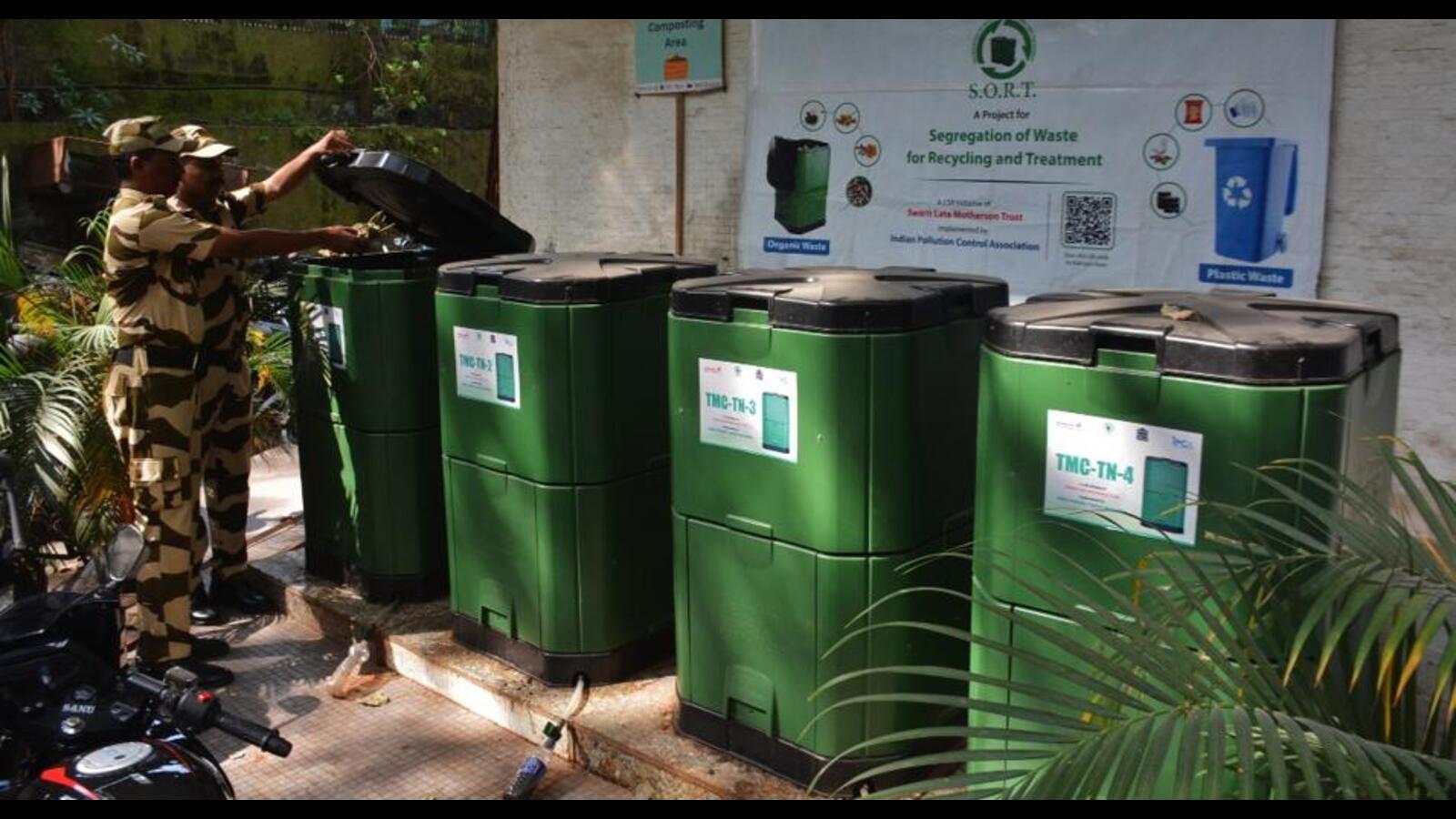
Nagpur’s civic administration is intensifying its sanitation and urban management initiatives as the city prepares for the upcoming national cleanliness assessment cycle. The Nagpur Swachh Survekshan push reflects a renewed focus on improving waste management systems, public hygiene standards, and citizen participation in order to secure a higher national ranking.Officials overseeing the initiative have begun reviewing progress across multiple departments responsible for sanitation, solid waste management, and public infrastructure. The Nagpur Swachh Survekshan strategy is expected to prioritise improvements in waste segregation, street cleanliness, and the maintenance of public spaces.
Urban planners note that national sanitation rankings have become an important benchmark for cities across India. Beyond recognition, these assessments often influence policy attention, investment flows, and citizen engagement with civic programmes.The Nagpur Swachh Survekshan effort is also closely linked to broader goals of building sustainable and liveable cities. Effective waste management systems reduce environmental pollution, improve public health, and contribute to overall urban resilience. As cities expand, ensuring that sanitation infrastructure keeps pace with population growth becomes increasingly important.Experts highlight that the success of such initiatives depends not only on municipal operations but also on public participation. Encouraging households and businesses to adopt waste segregation practices can significantly improve the efficiency of recycling and disposal systems.The Nagpur Swachh Survekshan roadmap also emphasises technology-driven monitoring. Digital tracking of waste collection routes, complaint management platforms, and data-based evaluation systems are being used to improve operational efficiency and accountability.
From an environmental perspective, strengthening sanitation systems can play a critical role in reducing landfill pressure and improving resource recovery. Integrating composting and recycling initiatives into the waste management framework can help cities move towards more circular waste economies.However, experts caution that achieving a higher ranking requires sustained improvements rather than short-term campaigns. Infrastructure upgrades, consistent service delivery, and long-term behavioural change among residents are essential to maintaining progress.The Nagpur Swachh Survekshan drive also intersects with other aspects of urban governance, including stormwater management, public health, and street design. Clean and well-maintained public spaces contribute to both environmental quality and economic activity by making cities more attractive for residents and visitors.A senior civic official indicated that the administration is focusing on strengthening coordination among departments to ensure that sanitation efforts translate into measurable outcomes. Special attention is being given to high-footfall areas, markets, and residential zones where waste generation is significant.
As the assessment cycle approaches, Nagpur’s efforts illustrate the increasing importance of sanitation in shaping urban competitiveness. Cities that manage waste effectively are better positioned to support sustainable growth and improve quality of life.Looking ahead, the effectiveness of the Nagpur Swachh Survekshan strategy will depend on whether the current momentum leads to lasting improvements in urban systems—ensuring that cleanliness and environmental responsibility remain integral to the city’s development trajectory.