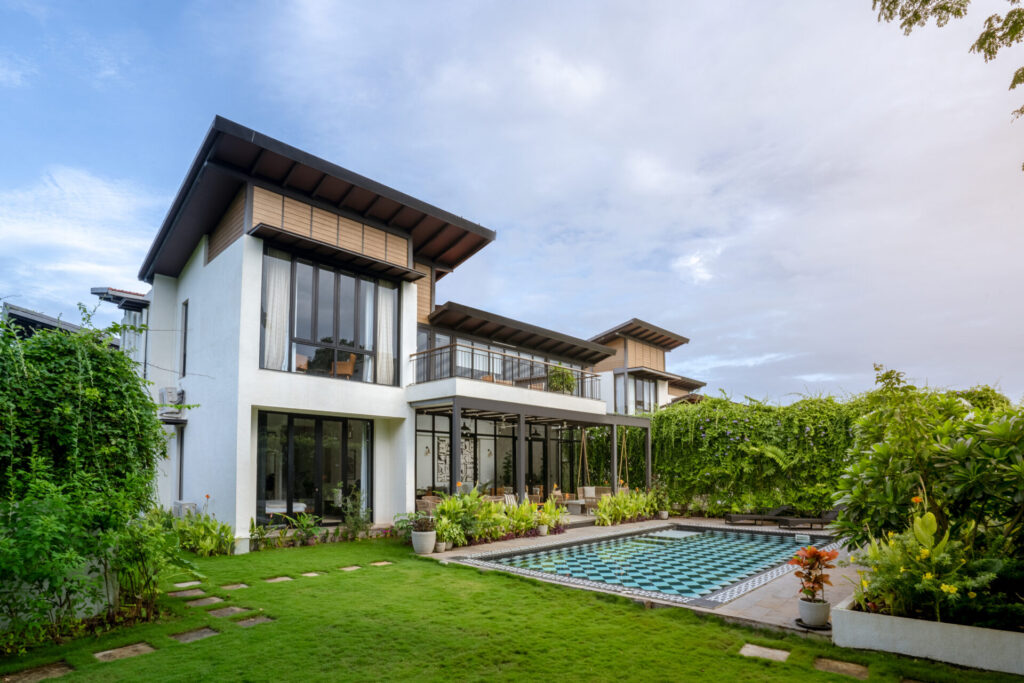
Alibag Real Estate Hotspots Drive Coastal Expansion
A sharp rise in high-value home purchases is reshaping the coastal settlement of Alibag in Maharashtra, where a cluster of premium neighbourhoods is emerging as a preferred address for India’s wealthiest buyers. The surge in Alibag luxury property demand is transforming the town’s land use, infrastructure priorities and environmental pressures, placing it firmly within the extended influence zone of Mumbai’s urban economy.
Urban planners note that improved multimodal connectivity particularly faster ferry links and road upgrades has reduced travel time between Mumbai and Alibag, effectively turning the region into a viable second-home market. What was once a seasonal leisure destination is now witnessing year-round habitation patterns, with gated estates, private villas and bespoke residences replacing low-density coastal settlements. Among the most sought-after micro-markets are areas such as Kihim, Awas, Sasawane, Zirad and Nagaon. These locations offer proximity to beaches, relatively larger land parcels and a degree of privacy that is increasingly scarce in metropolitan centres. Industry experts indicate that plot sizes in these belts are significantly larger than typical urban offerings, enabling expansive villa developments that cater to affluent buyers seeking exclusivity and open space.
The growth of Alibag luxury property markets is also influencing local economies. Construction activity has intensified, generating employment in building trades, hospitality and ancillary services. However, this expansion is uneven, with concerns about rising land prices limiting access for local residents and traditional communities. Real estate analysts suggest that without calibrated planning frameworks, speculative land acquisition could further strain affordability and alter long-standing settlement patterns.Environmental considerations are becoming central to discussions around Alibag’s transformation. Coastal Regulation Zone (CRZ) norms, groundwater management and waste infrastructure are under increasing scrutiny as development accelerates. Urban development specialists emphasise that low-density luxury housing, if not planned with sustainability in mind, could place pressure on fragile coastal ecosystems, including mangroves and shoreline stability.
At the same time, developers are beginning to incorporate climate-responsive design features such as elevated structures, rainwater harvesting systems and passive cooling techniques. While still limited, these interventions signal a gradual alignment with broader goals of climate-resilient construction in coastal regions.Local governance bodies face the challenge of balancing economic opportunity with ecological safeguards. Infrastructure provisioning ranging from roads and drainage to solid waste management must keep pace with rising demand to avoid the pitfalls experienced by other rapidly urbanising coastal towns. As Alibag transitions from a quiet retreat to a high-value residential cluster, its trajectory reflects a wider shift in India’s urban geography, where peripheral regions are being reshaped by wealth migration and lifestyle-driven real estate investment. The next phase of growth will likely depend on how effectively authorities integrate sustainability, inclusivity and long-term planning into this evolving coastal landscape.