


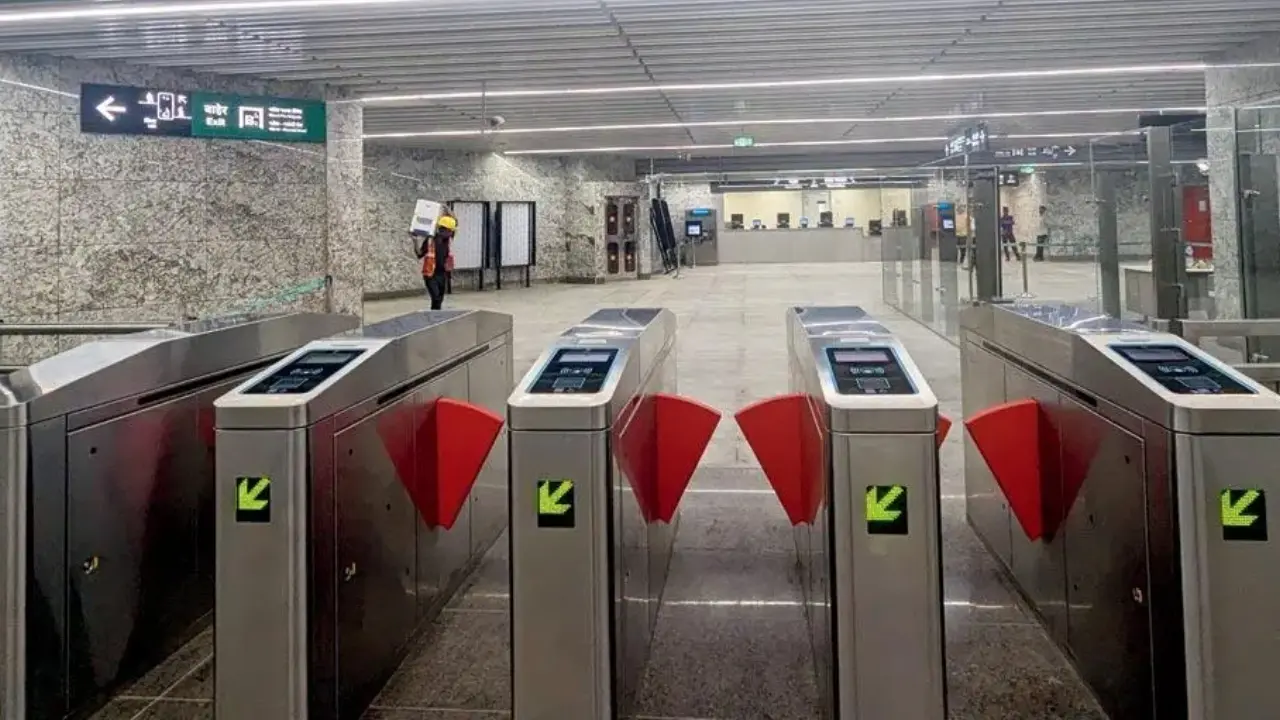
Indore’s metro rail project has moved into a critical systems integration phase with the release of a major electrical and systems contract, signalling progress beyond civil construction towards operational readiness. The tender, issued by the state-run metro corporation, underscores the growing complexity of infrastructure required to support modern urban transit networks. Valued at approximately ₹366 crore, the contract covers key electrical and building systems for the Indore Metro corridor, including environment control systems, tunnel ventilation, and building management systems. These components are essential to ensuring safe, energy-efficient, and climate-controlled operations across stations and associated infrastructure.
The tender process is scheduled over the coming weeks, with bid submissions expected in mid-May and a multi-year execution timeline extending over four years. This places the project firmly in its systems deployment stage, a phase that typically determines operational reliability and commuter experience. The Indore Metro electrical contract reflects a broader shift in how urban transit projects are evolving in India. While early phases focus on land acquisition, viaduct construction, and track laying, the later stages require advanced integration of electrical, mechanical, and digital systems. These include ventilation for underground sections, energy distribution networks, and automated controls that manage station environments in real time. Indore’s metro system, spanning over 33 kilometres in its first phase, is designed as a mixed elevated and underground network, with multiple corridors planned to support future urban expansion. As the city grows outward, the metro is expected to anchor transit-oriented development, reducing congestion and supporting more sustainable mobility patterns. Experts note that contracts like the Indore Metro electrical contract are particularly significant from a climate and efficiency standpoint. Systems such as energy-efficient ventilation, regenerative braking integration, and intelligent building management can substantially reduce the carbon footprint of large transit networks. In a warming urban environment, these technologies also improve passenger comfort and safety. The tender also highlights the scale of investment flowing into Indore’s infrastructure ecosystem. With multiple contracts already awarded for civil works and rolling stock, the metro project is emerging as a key economic driver, generating employment and supporting ancillary industries ranging from engineering services to materials supply. However, timely execution remains a critical challenge. Urban rail projects often face delays at the systems integration stage due to technical complexity and coordination requirements across multiple contractors. Ensuring alignment between civil structures and electrical installations will be essential to meeting commissioning timelines.
From an urban planning perspective, the project represents more than a mobility upgrade. It signals a transition towards structured, high-capacity public transport in a city that has historically relied on road-based systems. If executed efficiently, the metro could reshape land use patterns, encourage densification along transit corridors, and reduce dependence on private vehicles. As Indore moves closer to expanding its operational metro network, the focus is shifting from construction milestones to service delivery. The success of this phase will determine not just how the metro runs—but how effectively it supports the city’s long-term goals of sustainability, accessibility, and resilient urban growth.
ALSO READ – Indore Water Supply Set To Expand With New Phase
Indore Metro Invites Bids For Electrical Systems Contract
