


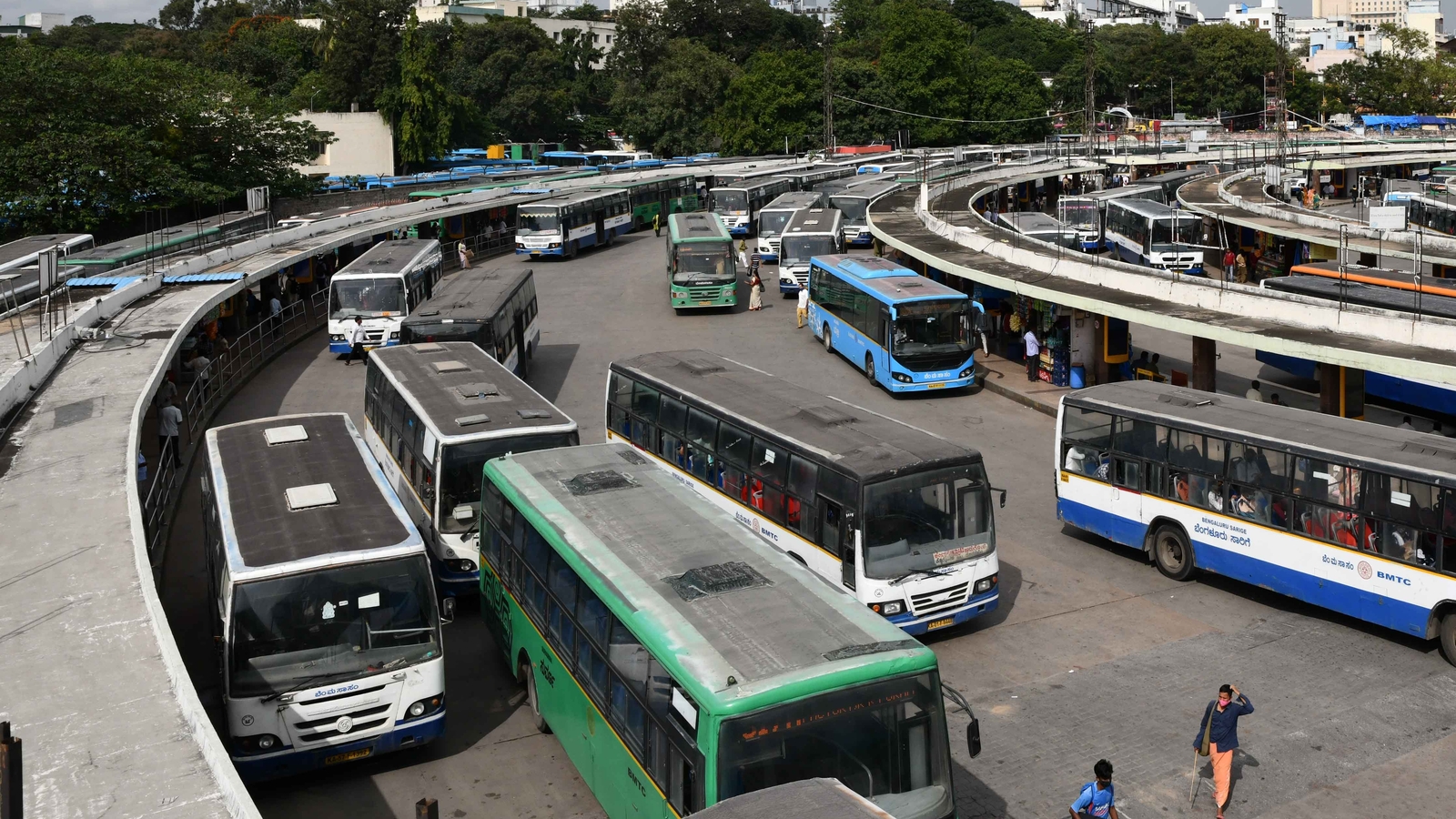
Nagpur is witnessing an unprecedented rise in ridership across its metro and city bus systems as fuel supply disruptions push commuters away from private vehicles. The shift marks a significant moment in the city’s mobility landscape, highlighting how external shocks can accelerate changes in travel behaviour. The ongoing Nagpur public transport surge has seen increased passenger volumes on metro services as well as the city’s bus network. Transport officials indicate that the spike is linked to reduced fuel availability and rising uncertainty around petrol and diesel supply, prompting commuters to seek more reliable alternatives.
Urban mobility experts note that such behavioural shifts are often triggered by disruptions in conventional transport systems. The Nagpur public transport surge demonstrates how quickly users can adapt when faced with constraints, especially when viable public transport options are available. The implications extend beyond short-term convenience. Increased use of public transport can help reduce traffic congestion, lower emissions, and improve overall efficiency of urban mobility systems. Experts suggest that if sustained, the Nagpur public transport surge could contribute to long-term changes in commuting patterns. From an infrastructure perspective, the development underscores the importance of investing in reliable and scalable public transport networks. Cities that have robust systems in place are better positioned to absorb shocks and maintain mobility during periods of disruption. There are also economic benefits. Higher ridership can improve the financial viability of public transport systems, enabling further investment in services and infrastructure. For Nagpur, the surge presents an opportunity to strengthen its metro and bus networks as core components of the city’s mobility framework. The Nagpur public transport surge also highlights issues of accessibility and inclusivity. Public transport provides a more affordable option for a wide range of users, ensuring that mobility remains accessible even during periods of economic or supply stress. However, experts caution that maintaining this shift will require sustained service quality. Overcrowding, delays, or inadequate last-mile connectivity could discourage continued use once fuel supplies stabilise. Ensuring reliability, frequency, and comfort will be key to retaining new users. There are broader environmental implications as well. A shift towards public transport aligns with climate goals by reducing reliance on fossil fuels and lowering urban emissions. Encouraging such transitions can support more sustainable city development.
Looking ahead, the challenge for authorities will be to convert this temporary surge into a lasting change. Policy measures, including improved integration of transport modes, incentives for public transport use, and infrastructure upgrades, can help sustain momentum. As Nagpur continues to evolve, the current shift offers a glimpse into how cities can transition towards more efficient and resilient mobility systems when supported by strong public transport infrastructure.
ALSO READ – Nagpur Construction Slowdown Deepens Amid Mineral Shortage
Nagpur Public Transport Surge Follows Fuel Supply Disruption
