


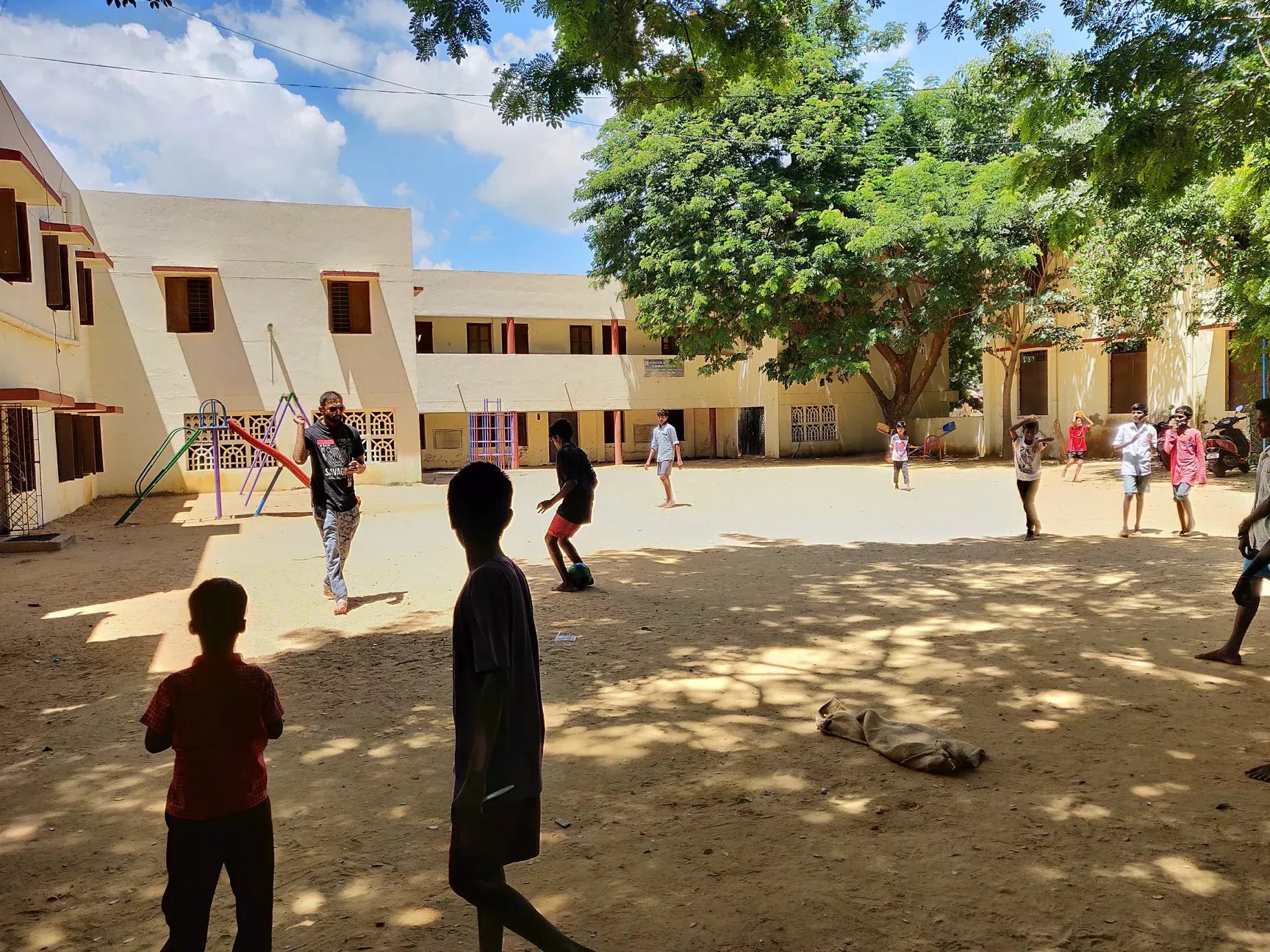
A new child welfare project launched in Chennai is set to expand institutional support for vulnerable children, reflecting a growing focus on inclusive social infrastructure within India’s rapidly urbanising cities.
The initiative, led by a longstanding social trust, aims to strengthen care, education, and rehabilitation services for children in need, particularly those without stable family support.The project is expected to enhance access to structured care systems, including residential facilities, educational programmes, and skill development initiatives. Officials associated with the programme indicate that the goal is to create a more integrated support network that goes beyond immediate shelter, addressing long-term developmental needs.
Urban experts note that such child welfare initiatives are increasingly critical in metropolitan regions like Chennai, where migration, economic disparity, and housing challenges can leave sections of the population vulnerable. As cities expand, social infrastructure—such as childcare institutions, community housing, and education support systems—plays a key role in ensuring equitable urban growth.The child welfare project also intersects with broader urban development priorities.Access to safe living environments and quality education for children contributes directly to long-term economic productivity and social stability. Analysts point out that investments in early childhood care and protection can reduce future pressures on public systems, including healthcare and law enforcement.From a planning perspective, integrating child welfare facilities into urban frameworks is essential for building people-centric cities.
Planners emphasise that social infrastructure must evolve alongside physical infrastructure, ensuring that development is not limited to transport corridors and real estate expansion but also includes human development indicators.The initiative may also have implications for local employment and service ecosystems. Child welfare centres typically generate demand for trained caregivers, educators, and support staff, creating job opportunities within the social sector. Additionally, partnerships with local communities and organisations can foster decentralised service delivery, improving reach and efficiency.Sustainability considerations are gradually becoming part of such projects as well. Experts suggest that new social infrastructure developments are increasingly incorporating energy-efficient designs and resource-conscious operations, aligning with broader climate-resilient urban strategies. While not always at the forefront, these elements are gaining importance in institutional planning.The emphasis on child welfare also reflects a shift towards more inclusive governance models. By prioritising vulnerable populations, city administrations and civil society organisations can work towards reducing inequality and strengthening social cohesion. This is particularly relevant in cities like Chennai, where diverse populations and rapid growth create complex social dynamics.
As the project begins implementation, its impact will depend on sustained funding, institutional capacity, and integration with public welfare systems. For Chennai, the initiative represents a step towards embedding social equity within its urban development trajectory, highlighting the importance of balancing economic growth with human-centric planning.
Also Read:Chennai Electronics Manufacturing Hub Attracts Global Investment
