


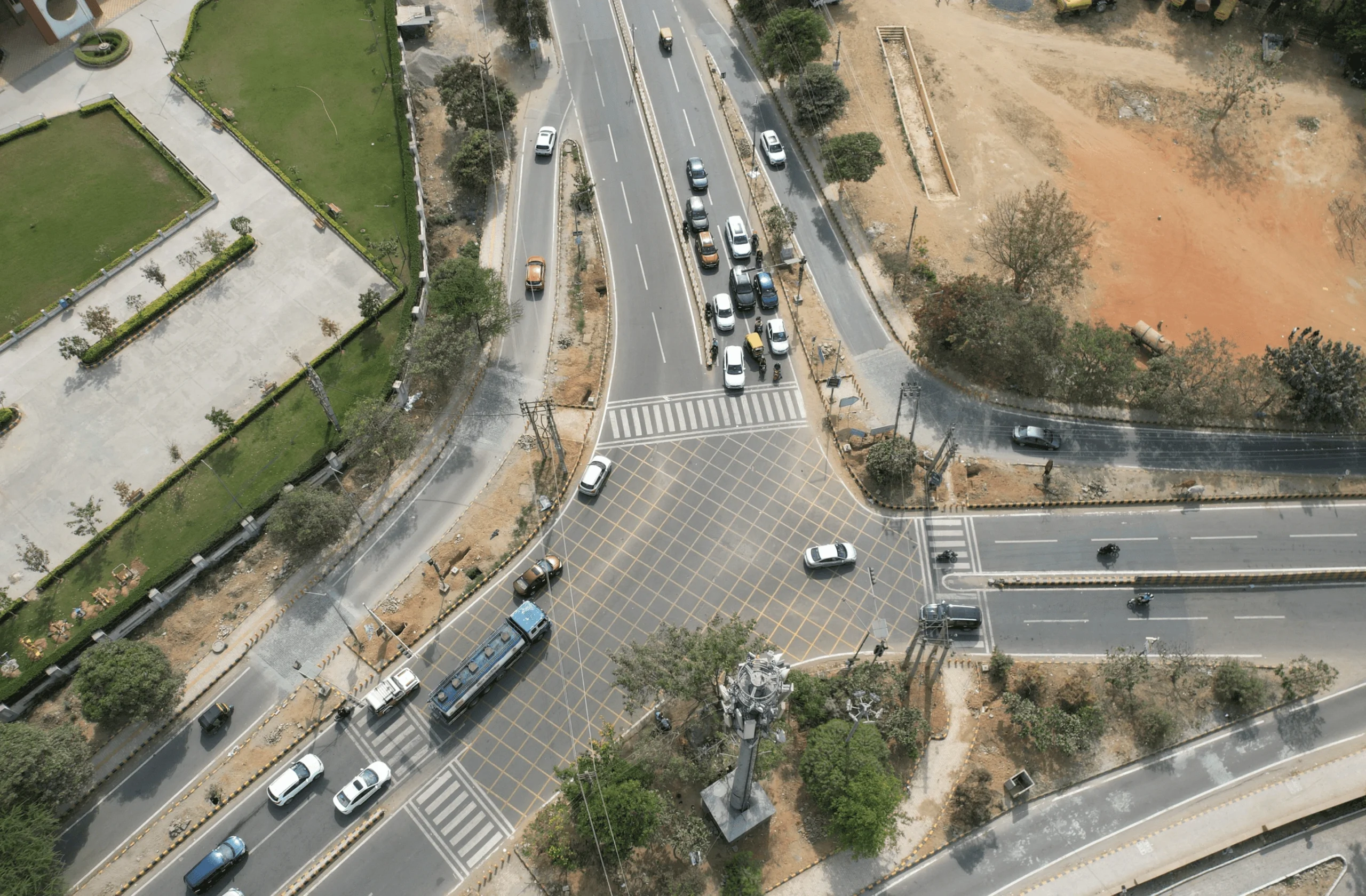
Gujarat has cleared a major infrastructure investment to upgrade road networks across its southern districts, aiming to improve connectivity to key tourist destinations and stimulate regional economic activity. The move is expected to strengthen last-mile access, reduce travel time, and support a more balanced distribution of tourism flows beyond major urban centres. The approved Gujarat road upgrades focus on enhancing existing routes rather than building entirely new corridors, with attention to widening, resurfacing, and improving safety features. Officials involved in planning indicate that the initiative targets areas where tourism potential remains underutilised due to inadequate connectivity.
Industry observers say the Gujarat road upgrades come at a time when domestic tourism is expanding rapidly, with travellers increasingly seeking destinations beyond established circuits. Improved road infrastructure can play a critical role in unlocking smaller towns, coastal zones, and eco-tourism sites, enabling local economies to benefit from visitor spending. Urban and regional planners highlight that connectivity investments often have multiplier effects. Better roads not only facilitate tourism but also improve access to markets, healthcare, and education for local communities. In this context, the Gujarat road upgrades are likely to contribute to broader socio-economic development in the region. A key aspect of the project is its potential to integrate tourism with sustainable development goals. Experts suggest that infrastructure improvements should be complemented by measures such as controlled development, preservation of natural landscapes, and promotion of low-impact travel. Without such safeguards, increased accessibility can lead to environmental degradation in sensitive areas. From a mobility perspective, upgraded roads can enhance safety and reduce congestion, particularly during peak tourist seasons. Features such as better signage, drainage systems, and designated parking zones are expected to improve the overall travel experience while minimising accident risks. There are also implications for real estate and local enterprise. Improved connectivity often leads to increased interest in hospitality projects, second homes, and small business ventures such as homestays and local services. However, planners caution that growth must be managed carefully to avoid unplanned sprawl and ensure that benefits are equitably distributed. The Gujarat road upgrades also align with national efforts to improve logistics and regional connectivity. By strengthening intra-state links, the project can complement larger transport networks, enhancing the movement of goods and services alongside passenger travel.
Looking ahead, the success of the initiative will depend on timely execution and coordination between departments. Regular monitoring, community engagement, and environmental oversight will be critical to ensuring that infrastructure gains translate into sustainable and inclusive growth. As Gujarat continues to position itself as a diverse tourism destination, investments in connectivity are likely to shape how regions like South Gujarat evolve—balancing economic opportunity with environmental responsibility and long-term resilience.
ALSO READ –Nagpur Bhandewadi Police Station Expands Urban Coverage
Gujarat Road Upgrades Boost South Gujarat Tourism Access
