


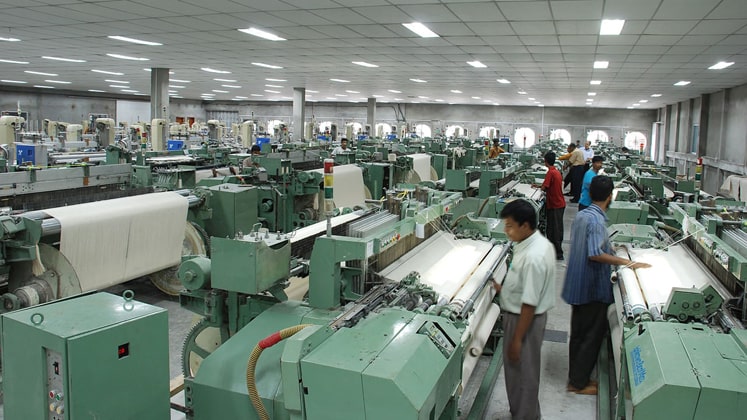
A slowdown in global demand is beginning to impact Surat’s textile sector, with several mills suspending operations and raising concerns over employment stability in one of India’s largest manufacturing clusters. The disruption highlights the vulnerability of export-driven urban economies to international market fluctuations. Industry stakeholders indicate that reduced overseas orders, coupled with rising input and operational costs, have forced some textile units to halt production temporarily. For a sector that employs a large migrant workforce, such closures have immediate implications for livelihoods, income stability, and local economic activity.
The Surat textile slowdown is particularly significant given the city’s dependence on the sector as a primary economic driver. Textile manufacturing supports a wide network of ancillary industries, including dyeing units, logistics providers, and retail businesses. Any contraction in production can therefore have cascading effects across the broader urban economy. Urban economists note that global economic uncertainties are increasingly influencing local industrial performance. Fluctuations in demand from key export markets, combined with currency movements and supply chain disruptions, can quickly translate into operational challenges for manufacturers. In Surat, where many units operate on tight margins, such pressures can lead to production cuts or temporary shutdowns. The impact on workers is a key concern. Migrant labour forms a significant portion of the textile workforce, and disruptions in employment can lead to reverse migration or financial distress. This, in turn, affects consumption patterns within the city, further slowing economic activity. From an urban planning perspective, the situation underscores the importance of economic diversification. Cities heavily reliant on a single sector are more exposed to external shocks. Expanding into new industries, including services and knowledge-based sectors, can help build resilience and reduce dependency on volatile global markets. The Surat textile slowdown also raises questions about sustainability and competitiveness. As global markets evolve, there is increasing emphasis on environmentally responsible production and efficient resource use. Investing in cleaner technologies and modernising manufacturing processes could help the sector remain competitive while aligning with sustainability goals. Policy interventions may play a role in stabilising the sector. Industry experts suggest that measures such as easier access to credit, export incentives, and support for technology upgrades could help manufacturers navigate current challenges. However, long-term resilience will depend on structural changes rather than short-term relief.
The slowdown also highlights the interconnected nature of urban economies. Industrial performance influences employment, consumption, and infrastructure utilisation, creating a feedback loop that shapes overall city growth. As Surat navigates this period of uncertainty, the focus will be on how quickly the textile sector can adapt to changing global conditions. Strengthening resilience through diversification, innovation, and sustainable practices will be critical to ensuring that the city’s economic foundation remains stable in the face of external shocks.
ALSO READ – Surat Art Industry Push Signals Economic Diversification Shift
Surat Textile Slowdown Triggers Mill Closures And Job Risks
