Maharashtra Unseasonal Rain Impacts Agriculture And Cities
Unseasonal rainfall and hailstorms across parts of Maharashtra are disrupting typical pre-summer weather patterns, raising concerns for both agricultural stability and urban climate resilience. A yellow alert issued for regions such as Vidarbha and Marathwada highlights a growing trend of erratic weather events at a time when temperatures are usually expected to rise steadily.
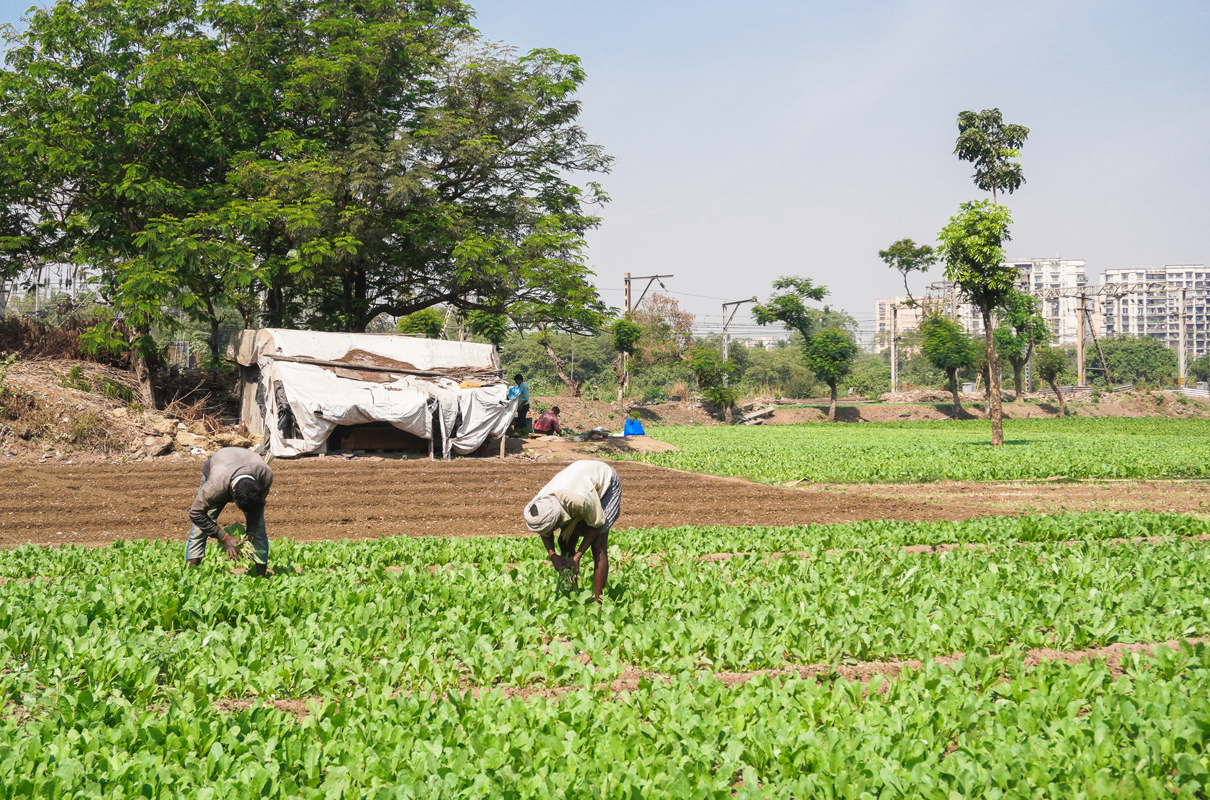
The current spell, driven by atmospheric disturbances, has brought thunderstorms, lightning, and gusty winds across multiple districts. Weather authorities have warned of continued scattered rainfall over several days, with wind speeds reaching up to 40–50 kmph in some areas. This shift is significant because March in Maharashtra is typically characterised by dry and hot conditions, with minimal rainfall. However, recent weather activity has led to sudden temperature drops and cloud cover, temporarily delaying the onset of summer heat. The impact is most visible in the agricultural sector. Unseasonal rain and hail have already damaged standing rabi crops—including wheat, chickpea, and fruits—across several districts. Preliminary assessments indicate crop losses across more than 1,400 hectares, affecting farmers just weeks before harvest. Beyond agriculture, the changing weather pattern has broader implications for urban systems. Sudden rainfall events can strain city infrastructure, particularly drainage networks that are typically designed for monsoon conditions rather than pre-season storms. Urban planners note that such off-season rainfall episodes are becoming more frequent, requiring cities to adapt infrastructure planning to year-round variability rather than fixed seasonal cycles.
The phenomenon also reflects larger climatic shifts. Experts attribute these irregular patterns to western disturbances and evolving atmospheric dynamics, which are increasingly influencing central and western India outside traditional winter months. This has led to overlapping weather systems, bringing rainfall into regions that would otherwise remain dry during this period. For energy and urban planning sectors, such variability affects demand cycles. Cooler temperatures can temporarily reduce electricity consumption, while storm-related disruptions can impact power distribution networks. Similarly, construction activity—particularly in rapidly growing urban areas—may face delays due to unpredictable weather interruptions.From a sustainability perspective, the recurrence of such events underscores the need for climate-resilient planning. Cities must invest in adaptive infrastructure, including improved stormwater management systems, resilient building materials, and early warning mechanisms to mitigate risks.The agricultural impact also feeds into urban economies, as crop losses can influence food supply chains and price stability in cities. This interdependence highlights how weather volatility in rural regions directly affects urban consumption patterns.
Looking ahead, the immediate forecast suggests that conditions may stabilise after the current weather system passes. However, the increasing frequency of unseasonal rain events indicates a longer-term shift that cities and policymakers will need to address.As Maharashtra navigates this evolving climate pattern, the focus will likely shift towards building systems that can withstand not just extreme monsoon events, but also unexpected disruptions throughout the year.