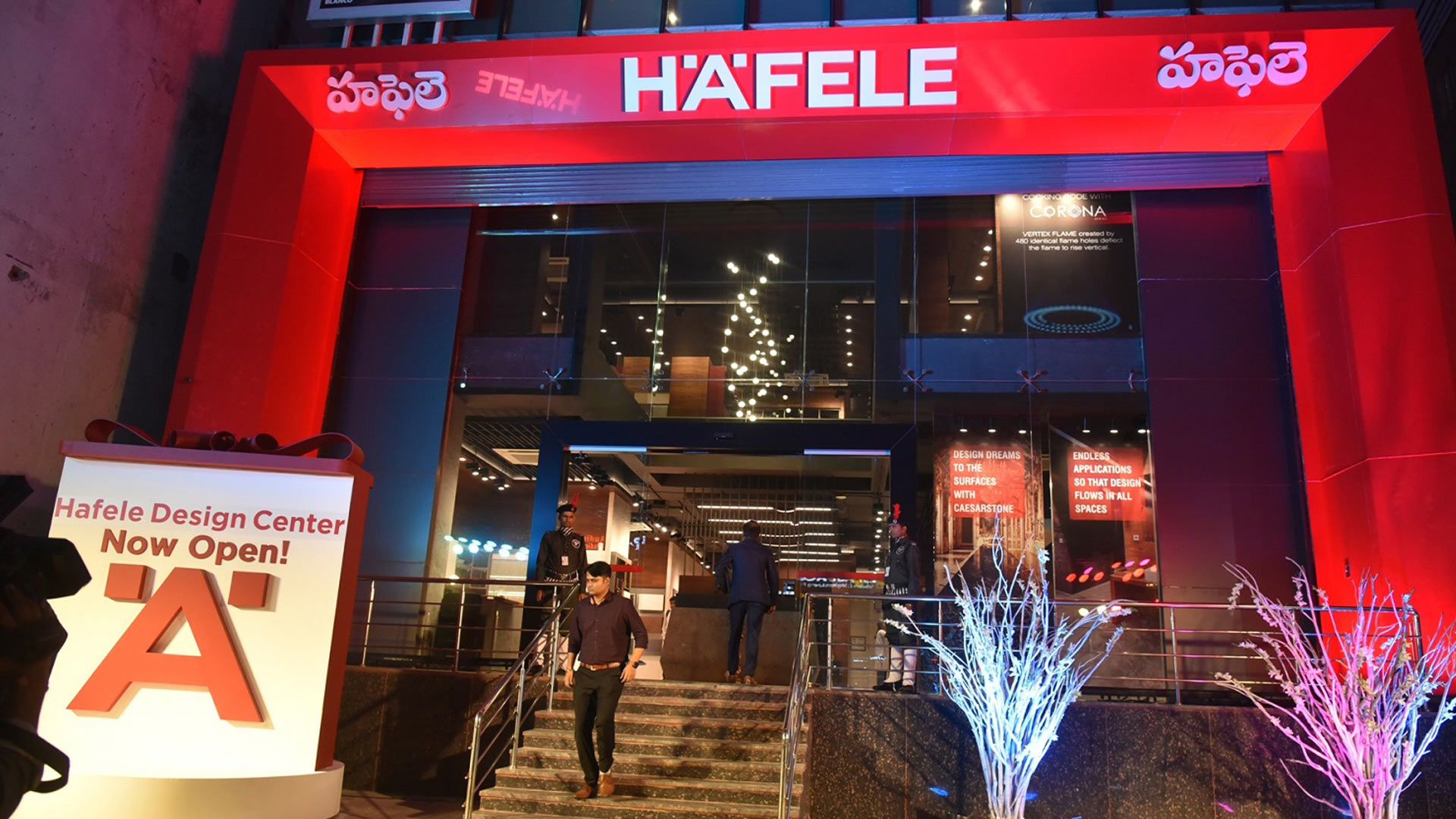
Hafele Kitchen Systems Reflect Changing Urban Living Needs
The expansion of architectural lighting solutions by Hafele India is signalling a shift in how lighting is being integrated into modern Indian homes, moving beyond utility to become a key component of spatial design, comfort, and energy efficiency.With the introduction of its Imperial architectural lighting series, the company is addressing growing demand for lighting systems that combine performance with minimal visual intrusion. The range includes recessed downlights and spotlights designed to blend seamlessly into ceilings while delivering controlled, glare-free illumination.
This approach reflects a broader transformation in residential design, where lighting is increasingly treated as an architectural element rather than an afterthought. Integrated lighting systems are now expected to support multiple functions—ambient, task, and accent lighting—while maintaining visual continuity across spaces. The Imperial series is engineered for both indoor and semi-outdoor environments such as balconies, bathrooms, and transitional spaces. With an IP65 rating, the fixtures are resistant to dust, moisture, and water exposure, making them suitable for India’s varied climatic conditions. This durability expands the role of lighting into areas that traditionally required separate solutions, enabling a more unified design language across homes.From an urban housing perspective, the shift towards architectural lighting aligns with the increasing density of cities and the need for efficient use of space. Compact, recessed fixtures reduce visual clutter while enhancing perceived room dimensions—an important factor in smaller apartments and high-rise living environments.
Industry experts note that lighting is also becoming central to wellness-focused design. Anti-glare systems and controlled illumination improve visual comfort, reducing eye strain and enhancing the quality of indoor environments. As more time is spent indoors, particularly in work-from-home settings, such features are gaining importance in residential planning.The development also ties into sustainability goals within the built environment. LED-based architectural lighting consumes significantly less energy compared to traditional systems, while longer product lifecycles reduce replacement frequency. When combined with smart controls and automation, these systems can further optimise energy use in homes.Hafele’s broader lighting portfolio—including modular and connected solutions—reflects the convergence of technology and interior design. Integrated systems now allow users to customise lighting intensity and ambience across rooms, supporting both functional needs and lifestyle preferences. Economically, the growth of architectural lighting points to rising consumer awareness and demand for design-led interiors. As homeowners become more involved in material and fixture selection, lighting is emerging as a key differentiator in residential projects, influencing both aesthetics and property value.
Looking ahead, the adoption of architectural lighting solutions like the Imperial series is expected to expand beyond premium housing into mid-segment developments.As cities continue to densify and design expectations evolve, lighting will play an increasingly critical role—not just in illuminating spaces, but in shaping how homes function, feel, and perform in a resource-conscious urban future.