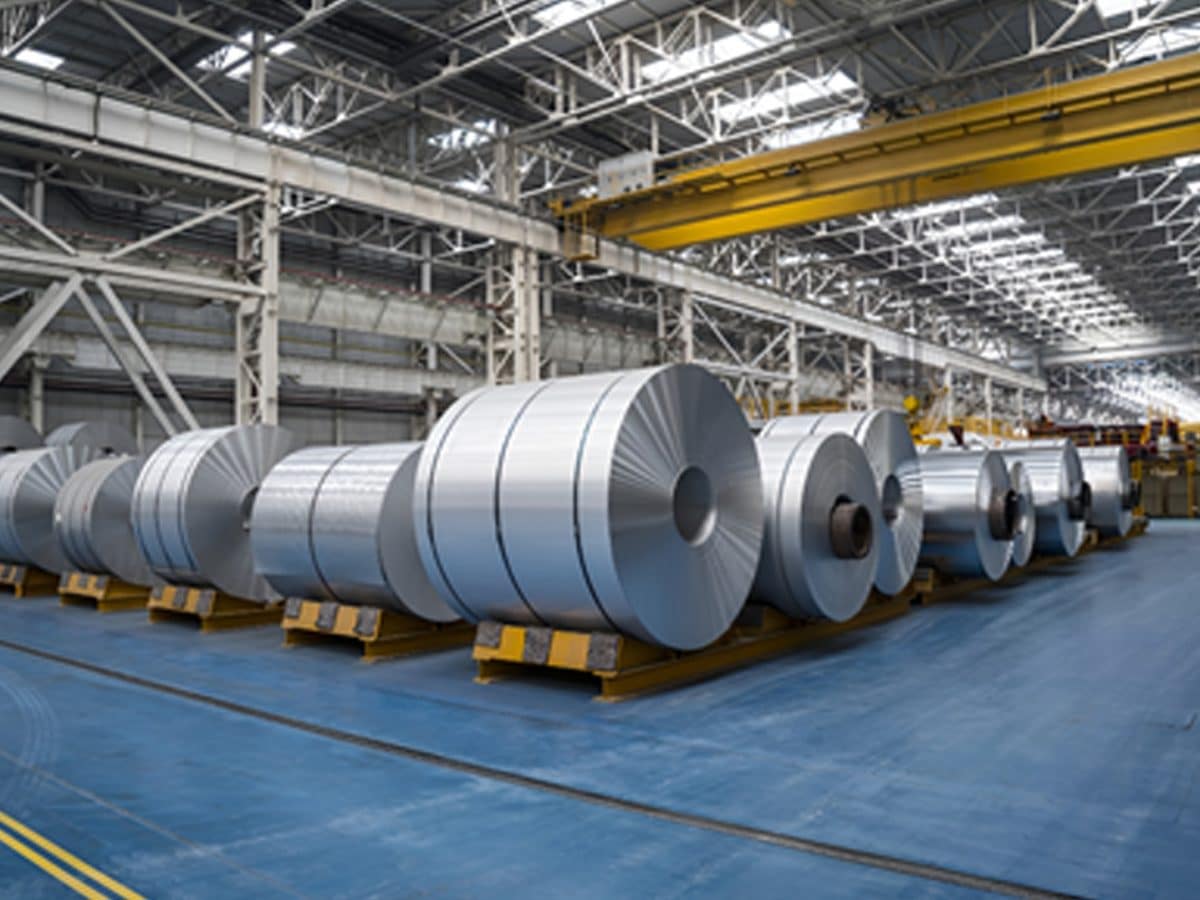
A major integrated steel project by AMNS India in Andhra Pradesh is set to be developed in phases, signalling a long-term expansion of India’s steel manufacturing capacity to support infrastructure and urban growth. The scale and phased rollout of the project reflect both rising domestic demand and the need for sustained, supply-side readiness in the construction ecosystem.
Located near Visakhapatnam in Anakapalli district, the greenfield facility is among the largest industrial investments in the country, with an estimated outlay of around ₹1.5 lakh crore. The project is designed to be built in multiple stages, allowing production capacity to be scaled progressively in line with market demand and infrastructure execution cycles. The first phase of the plant is expected to deliver a production capacity of approximately 8.2 million tonnes per annum (MTPA), with subsequent phases planned to expand total capacity to nearly 24 MTPA. This phased approach enables operational flexibility, ensuring that supply growth remains aligned with evolving demand across sectors such as housing, transport, and industrial manufacturing.At a structural level, the project underscores the central role of steel in India’s development trajectory. Steel remains a critical input for urban infrastructure—used extensively in high-rise buildings, metro systems, bridges, and industrial facilities. Expanding domestic production capacity reduces dependence on imports while stabilising material availability for large-scale construction.Industry experts note that the integrated nature of the plant is particularly significant. Unlike standalone facilities, integrated steel plants combine multiple processes—from raw material handling to finished steel production—within a single ecosystem. This improves efficiency, reduces logistics costs, and enhances supply chain reliability, all of which are critical for time-sensitive infrastructure projects.
The development also aligns with India’s broader manufacturing ambitions. With the country targeting 300 million tonnes of crude steel capacity by 2030, large-scale investments such as this are essential to bridging the gap between current production levels and future demand. Beyond capacity expansion, the project has regional economic implications. The plant is expected to generate significant employment opportunities during both construction and operational phases, while also supporting ancillary industries such as logistics, mining, and engineering services. This contributes to decentralised industrial growth, particularly in coastal and emerging industrial zones.From a sustainability perspective, the phased development model offers an opportunity to integrate cleaner technologies over time. As environmental regulations tighten and demand for low-carbon materials increases, steel producers are under pressure to adopt more efficient and less emission-intensive processes. Future phases of the project are likely to incorporate such advancements, aligning industrial growth with climate considerations.For urban development, the implications are far-reaching. Reliable and scalable steel supply is fundamental to timely project execution, cost stability, and overall infrastructure quality. As cities expand and demand for housing and mobility infrastructure rises, projects of this scale will play a crucial role in enabling sustained growth.
Looking ahead, the success of the AMNS India steel project will depend on how effectively phased investments translate into operational capacity.If executed as planned, the development could reshape the country’s steel landscape—supporting a more resilient, efficient, and future-ready built environment.