


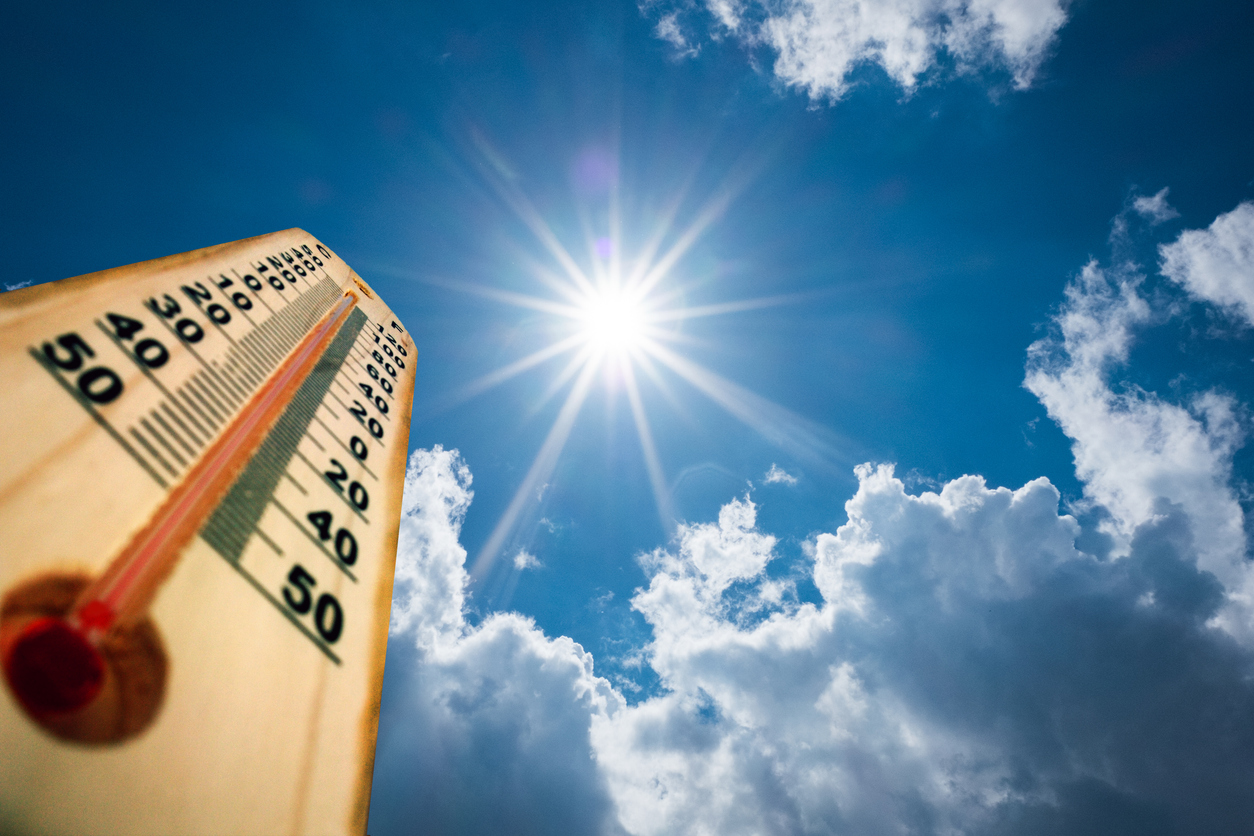
Surat is witnessing fluctuating weather conditions, with forecasts indicating a mix of rising temperatures and intermittent cloud cover, reflecting increasing variability in pre-summer climate patterns. The Surat weather forecast points to short-term shifts in temperature and humidity levels, underscoring the growing complexity of urban climate management in rapidly expanding cities. Meteorological projections suggest that daytime temperatures are expected to remain high, with occasional moderation due to cloud activity. While this may provide temporary relief, experts note that such fluctuations are becoming more frequent, driven by broader climatic changes affecting western India.
The Surat weather forecast is particularly relevant for a city that has experienced rapid urbanisation and industrial growth. Rising temperatures, combined with humidity, can intensify urban heat stress, affecting both public health and productivity. Experts highlight that cities like Surat must increasingly plan for heat mitigation through urban design and infrastructure improvements. Urban planners point out that weather variability can strain civic systems, especially in areas such as drainage, power supply, and water management. Even minor shifts in weather patterns can impact daily operations, from traffic flow to construction activity, particularly when infrastructure is not fully climate-adaptive. The Surat weather forecast also has implications for the city’s economic sectors. Surat’s textile and diamond industries, which depend on stable working conditions, may experience productivity impacts during periods of extreme heat or humidity. Additionally, fluctuating weather can affect logistics and outdoor operations, influencing supply chain efficiency. From an environmental perspective, the evolving weather pattern highlights the need for climate-resilient urban planning. Measures such as increasing green cover, promoting energy-efficient buildings, and improving ventilation in dense urban areas can help mitigate the effects of rising temperatures. The Surat weather forecast further underscores the importance of integrating real-time data into urban governance. Early warning systems and responsive planning can help authorities manage risks associated with sudden weather changes, ensuring minimal disruption to daily life. Experts also emphasise the need for public awareness and behavioural adaptation. Simple measures, such as adjusting work schedules and improving hydration practices, can help reduce the impact of heat stress on vulnerable populations. The broader concern lies in the long-term trajectory of climate patterns in the region. As cities like Surat continue to grow, the interaction between urbanisation and climate change is expected to intensify, requiring more proactive and integrated planning approaches.
While the immediate forecast suggests manageable conditions, the underlying trend of variability presents a challenge that extends beyond short-term weather changes. The Surat weather forecast serves as a reminder that cities must prepare not just for predictable seasonal shifts, but for increasingly dynamic and uncertain climate conditions. Looking ahead, building resilience into urban systems will be critical to ensuring that Surat can sustain its economic momentum while safeguarding the well-being of its residents in the face of evolving climate realities.
ALSO READ – Indore AB Road Congestion Highlights Infrastructure Gaps
Surat Weather Shift Highlights Rising Climate Variability
