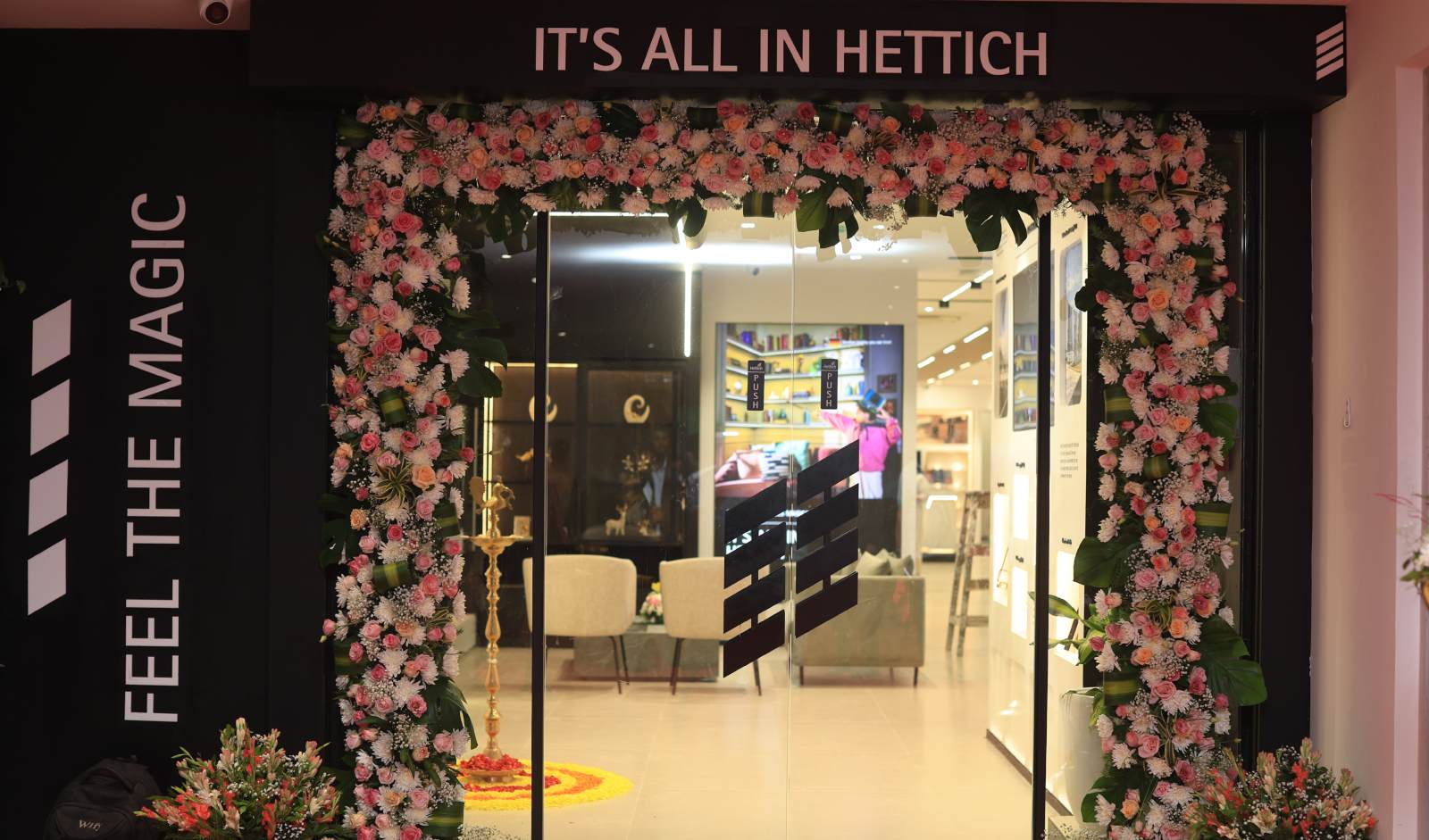
Hettich India Growth Signals Furniture Market Shift
India is fast emerging as a central growth engine for global furniture systems, with Hettich Group projecting the country could become its largest market within the next five years. The shift reflects deeper structural changes in India’s housing, interiors, and urban consumption patterns.The company’s leadership has indicated that India, already its second-largest market, is poised to surpass Germany as demand accelerates across residential and modular furniture segments. This growth is being driven by a combination of rising household incomes, expanding urban populations, and a gradual shift from informal carpentry to organised manufacturing systems.
At the heart of this transformation is India’s evolving housing ecosystem. As urban centres expand and new housing supply increases across metros and emerging cities, demand for modular kitchens, storage systems, and premium fittings is rising steadily. Furniture is no longer treated as a one-time purchase but as an integral part of lifestyle-driven home design.The Hettich India growth trajectory also reflects a geographical shift in demand. Beyond major metropolitan regions, tier-2 and tier-3 cities are becoming significant consumption hubs. Lower housing costs in these cities often leave more disposable income available for interior upgrades, leading to higher adoption of organised furniture solutions. Industry observers note that this transition from unorganised to organised furniture markets is a critical inflection point. While a large portion of India’s furniture ecosystem still operates informally, even small annual shifts towards structured manufacturing are expanding the addressable market for global players. This evolution is also improving quality standards, product consistency, and supply chain efficiency.Regulatory developments are further reinforcing this trend. Standardisation measures and quality benchmarks are encouraging domestic manufacturing and reducing reliance on imports. For companies like Hettich, this creates an opportunity to deepen local production while integrating India into global supply networks.
From an urban development perspective, the implications extend beyond furniture. The rise of organised interior systems is closely linked to how modern housing is designed and delivered. Developers are increasingly incorporating modular solutions into projects, while consumers are prioritising functionality, space optimisation, and durability—key aspects of sustainable urban living.The company’s long-term strategy also aligns with India’s broader manufacturing ambitions. With investments in local production and a “made for domestic and global markets” approach, India is becoming not just a consumption hub but also a potential export base for furniture components.At the same time, the growth trajectory presents challenges. Price sensitivity remains a defining feature of the Indian market, requiring companies to balance affordability with quality and innovation. Additionally, scaling organised manufacturing will depend on workforce skill development, supply chain resilience, and continued policy support.
Looking ahead, the pace of Hettich India growth will likely mirror the country’s urbanisation curve. As housing demand, lifestyle aspirations, and design awareness continue to rise, the integration of global design systems into everyday living spaces could reshape how Indian cities are built, furnished, and experienced.