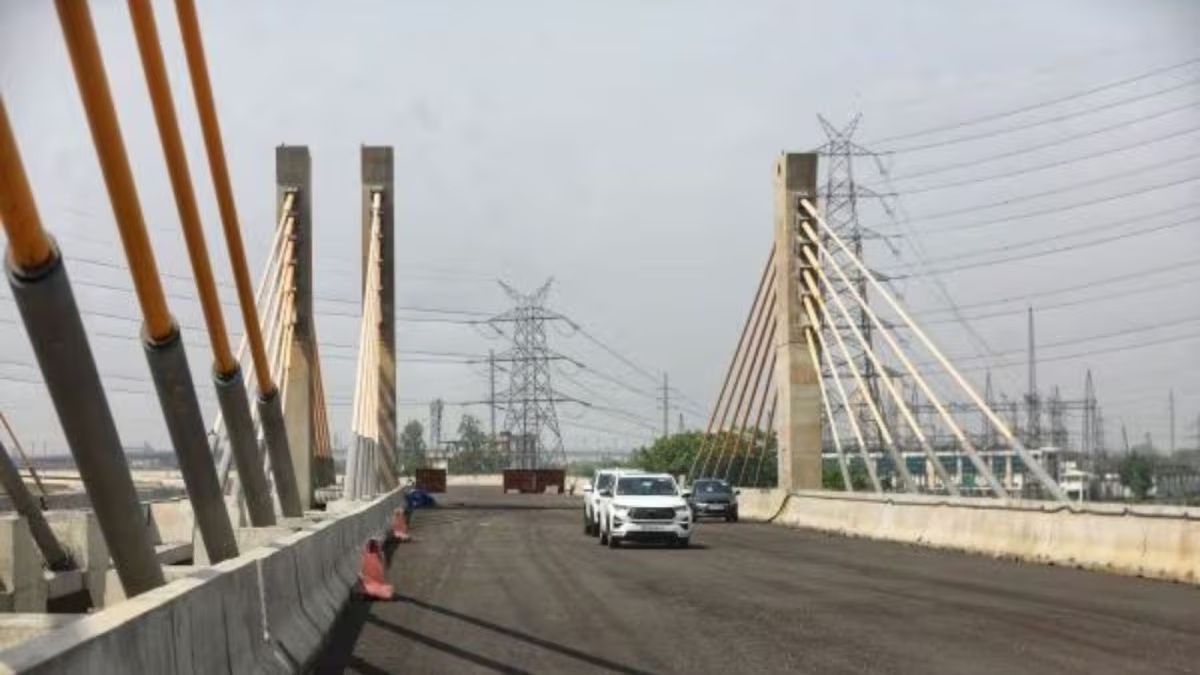
Delhi Clears Major Elevated Corridor Expansion Plan
Delhi’s cabinet has approved a fresh round of high-value transport investments aimed at easing pressure on some of the capital’s most congested corridors, signalling a renewed push towards grade-separated mobility infrastructure. Among the decisions is the long-pending expansion of the Barapullah elevated road network, a project expected to strengthen cross-city connectivity between eastern and southern districts. The approved plan allocates over ₹1,600 crore for the next phase of the Barapullah elevated corridor, extending the existing structure across the city’s drainage spine to connect key residential and institutional zones. Once operational, the extension is expected to provide a continuous, signal-free route linking dense residential clusters in east Delhi with major employment and healthcare hubs in the south.
Transport planners say the Barapullah elevated corridor has, over time, evolved into a critical east–south mobility spine. Earlier sections, developed in phases over the past decade, have already reduced travel times along segments of the Ring Road network. However, missing links have limited its full potential, forcing traffic back onto surface roads at key choke points. The latest phase aims to address these gaps while also reducing vehicular load on parallel arteries such as the DND corridor and stretches of National Highway infrastructure. For daily commuters, the project could translate into more predictable travel times, particularly during peak hours when congestion in the Sarai Kale Khan and adjoining zones often leads to cascading delays across the network. Beyond immediate traffic relief, the project reflects a broader policy preference for elevated corridors as a quick-response solution to urban congestion. While such infrastructure can improve traffic flow, urban design experts point out that long-term sustainability depends on integrating these investments with public transport systems, non-motorised mobility, and land-use planning.
There are also economic implications. Improved connectivity between east and south Delhi is likely to influence real estate dynamics, with better accessibility often translating into higher residential demand and commercial activity. At the same time, large-scale road projects require careful environmental assessment, particularly when built over ecologically sensitive drains and urban waterways. Officials indicate that timelines have been set with a target completion within the next two years, although past delays have prompted closer institutional oversight. A parallel administrative review has been initiated to examine earlier bottlenecks that slowed project execution, reflecting a growing emphasis on accountability in public infrastructure delivery.
As Delhi continues to grapple with rising vehicle ownership and spatial imbalances between housing and employment centres, projects like the Barapullah extension highlight the city’s ongoing reliance on road-based solutions. The next phase of urban mobility planning, however, will likely depend on how effectively such corridors are aligned with cleaner transport systems and broader climate-resilient strategies.