


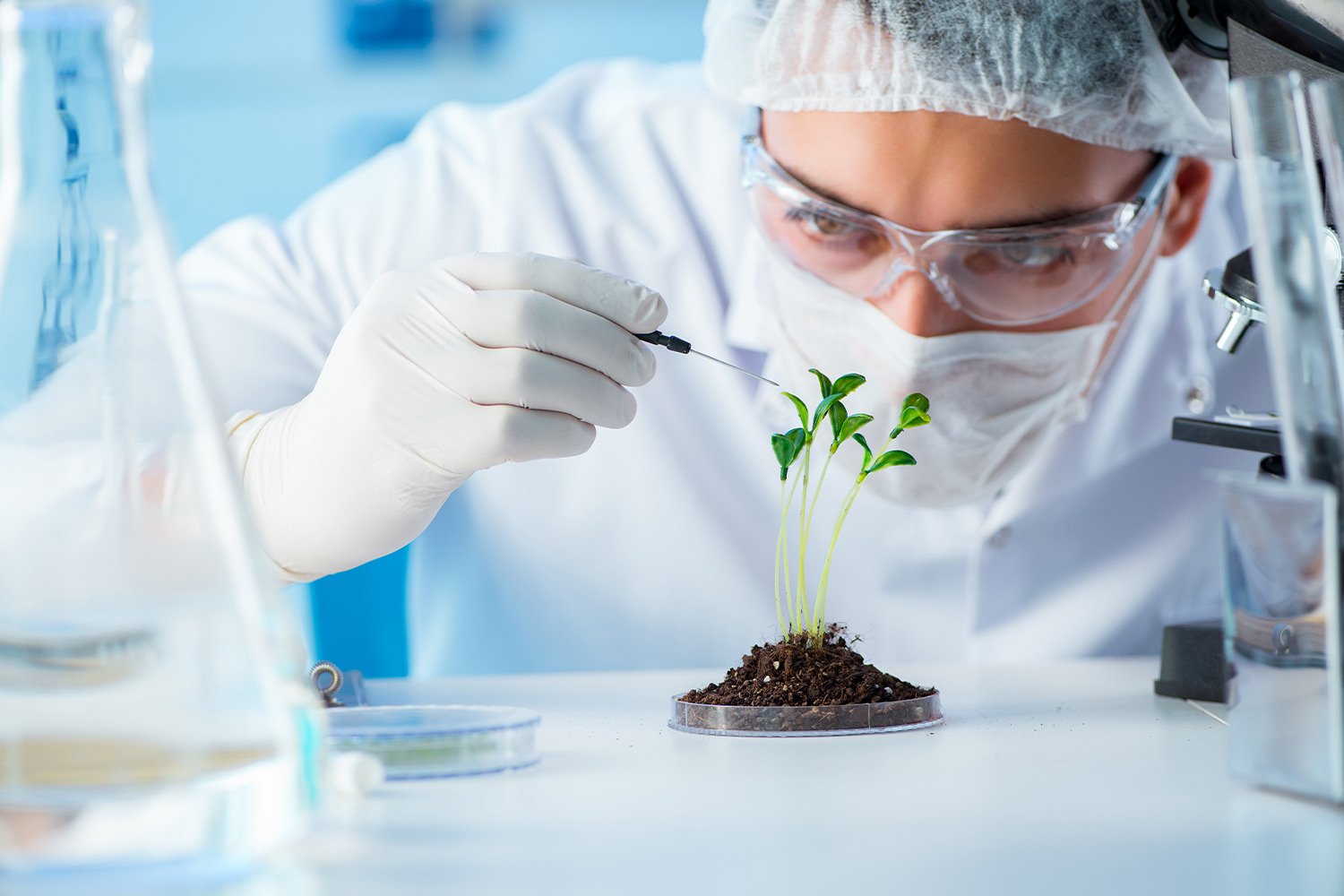
Surat’s emerging biotechnology ecosystem has attracted fresh investment, signalling a gradual diversification of the city’s economic base beyond its traditional strengths in textiles and diamonds. The funding round, led by a state-backed venture investor, highlights growing interest in life sciences and research-driven enterprises within tier-two urban centres. The capital infusion is expected to support the expansion of a biotechnology-focused venture working on advanced research and development solutions. While Surat has historically been known for manufacturing-led growth, this development reflects a broader transition towards knowledge-based industries that rely on innovation, skilled talent, and specialised infrastructure.
Industry experts note that the rise of biotech investment in cities like Surat indicates a shift in how India’s urban economies are evolving. As infrastructure improves and access to talent widens, smaller cities are becoming viable destinations for high-value sectors that were once concentrated in metropolitan hubs. This trend can help reduce regional imbalances and create more distributed growth opportunities. The Surat biotech funding also underscores the importance of supportive ecosystems in nurturing innovation. Access to capital, research facilities, and skilled professionals are critical for the success of such ventures. Local institutions, policy frameworks, and industry partnerships play a key role in enabling startups to scale and compete in global markets. From an urban development perspective, the growth of biotech and similar sectors has implications for land use and infrastructure planning. Knowledge industries typically require different types of spaces, including research labs, incubation centres, and collaborative work environments. Integrating these requirements into city planning can support more sustainable and future-ready urban growth. There is also a strong employment dimension to this shift. Biotechnology and allied sectors generate high-skill jobs, contributing to income growth and economic diversification. For cities like Surat, this can help attract and retain talent, reducing the need for professionals to migrate to larger metropolitan areas. Sustainability considerations are increasingly central to the biotech sector, particularly in areas such as healthcare, environmental solutions, and resource efficiency. Investments in such industries can contribute to long-term resilience by supporting innovations that address challenges related to health, climate, and sustainable resource use.
However, experts caution that sustaining momentum will require continued investment and policy support. Building a robust innovation ecosystem is a long-term process that depends on consistent funding, regulatory clarity, and collaboration between public and private stakeholders. As Surat positions itself within India’s evolving economic landscape, the latest funding activity reflects a city in transition. Strengthening its innovation ecosystem could enable it to move up the value chain, balancing its industrial legacy with new-age sectors that align with sustainable and knowledge-driven growth.
ALSO READ – Surat Textile Units Offset LPG Shortage To Retain Workers
Surat Biotech Funding Signals Growth In Innovation Ecosystem
