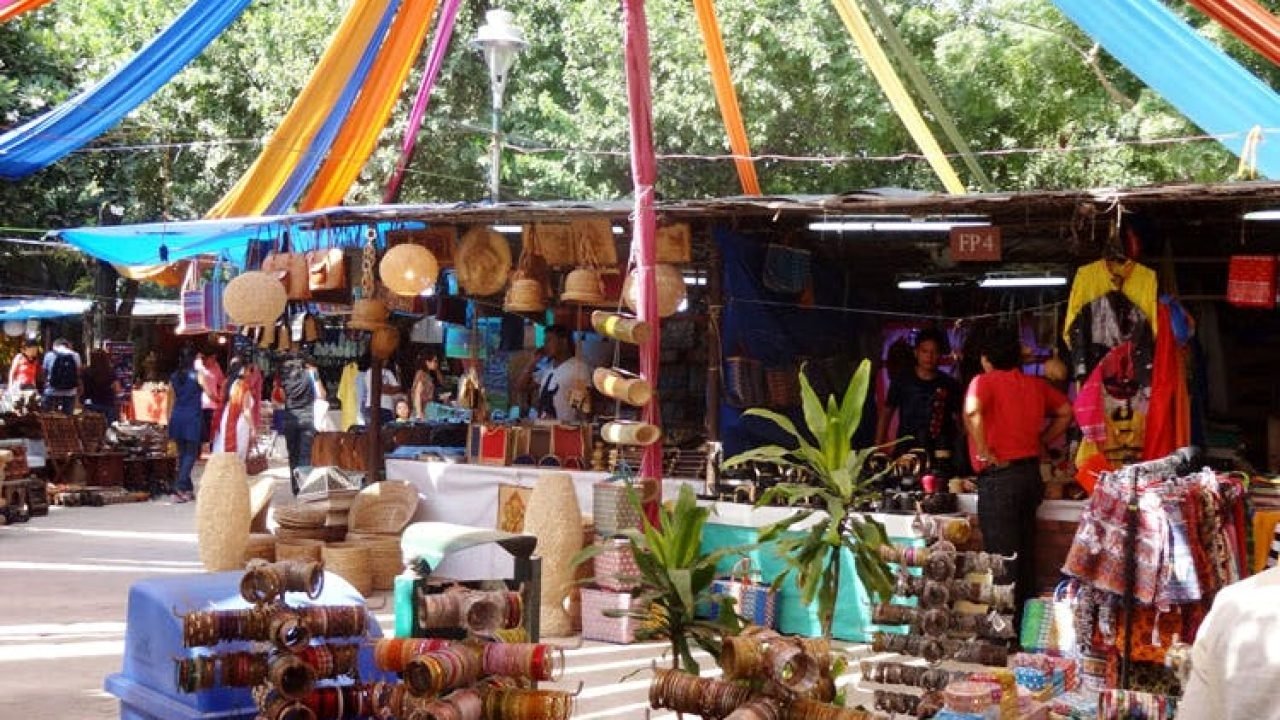
The evolving Delhi markets shopping culture continues to shape how residents and visitors experience retail in the capital, where traditional bazaars, neighbourhood shopping hubs and high-end luxury centres coexist within the same urban ecosystem. From street vendors and independent traders to designer boutiques and premium malls, the city’s retail landscape highlights how diverse shopping spaces contribute to economic activity, cultural identity and neighbourhood vibrancy. Urban planners say Delhi’s markets play a far broader role than simply selling goods. They serve as social spaces, employment hubs and tourism attractions that influence how different parts of the city function. The Delhi markets shopping culture reflects this layered urban character, with each retail district offering a distinct mix of affordability, craftsmanship and aspirational consumption.
Street markets remain among the most visible symbols of this retail diversity. Areas known for affordable fashion and quick bargains attract large numbers of students and young professionals seeking budget-friendly options. These markets also support thousands of small traders and informal vendors, forming an important part of the city’s urban economy. Retail analysts say such markets help sustain entrepreneurial activity at the micro level. Vendors often operate with limited capital yet generate steady livelihoods while providing low-cost goods to consumers. This dynamic reinforces the role of the Delhi markets shopping culture in supporting inclusive economic opportunities within the city. At the same time, Delhi’s retail geography includes established neighbourhood markets that combine traditional storefronts with contemporary retail outlets. These areas often host a mix of clothing stores, cafes, home décor outlets and specialty shops. Over time, they have evolved into lifestyle destinations where shopping intersects with dining and social interaction. Historic marketplaces also continue to attract both residents and tourists. Many of these districts have existed for centuries and remain known for textiles, jewellery, spices and handicrafts. Urban historians say these spaces illustrate how commerce has shaped the city’s built environment, with narrow streets, courtyards and clustered storefronts reflecting earlier patterns of urban design.
In contrast, the capital’s luxury retail destinations represent a different dimension of the Delhi markets shopping culture. High-end shopping centres and curated retail environments offer global brands and designer collections, catering to consumers seeking premium experiences. These spaces are often designed with controlled environments, structured parking and integrated entertainment facilities. Retail experts note that the coexistence of informal street markets and premium retail zones is unusual even among major global cities. In Delhi, both systems thrive simultaneously, creating a multi-layered retail economy that serves different income groups and consumer preferences. Urban development specialists say markets are also closely linked with city planning challenges. High footfall areas often require better pedestrian infrastructure, waste management systems and public transport connectivity to remain sustainable and accessible. Many planners argue that improving market infrastructure while preserving their cultural character could strengthen the long-term viability of the Delhi markets shopping culture. Efforts to introduce better lighting, waste management and pedestrian-friendly streets have already begun in several neighbourhoods as part of broader urban renewal initiatives.
As Delhi continues to expand and modernise, its markets remain a defining feature of urban life. Whether in historic bazaars, neighbourhood shopping streets or contemporary luxury centers, the Delhi markets shopping culture reflects the capital’s ability to balance tradition, entrepreneurship and evolving consumer trends.