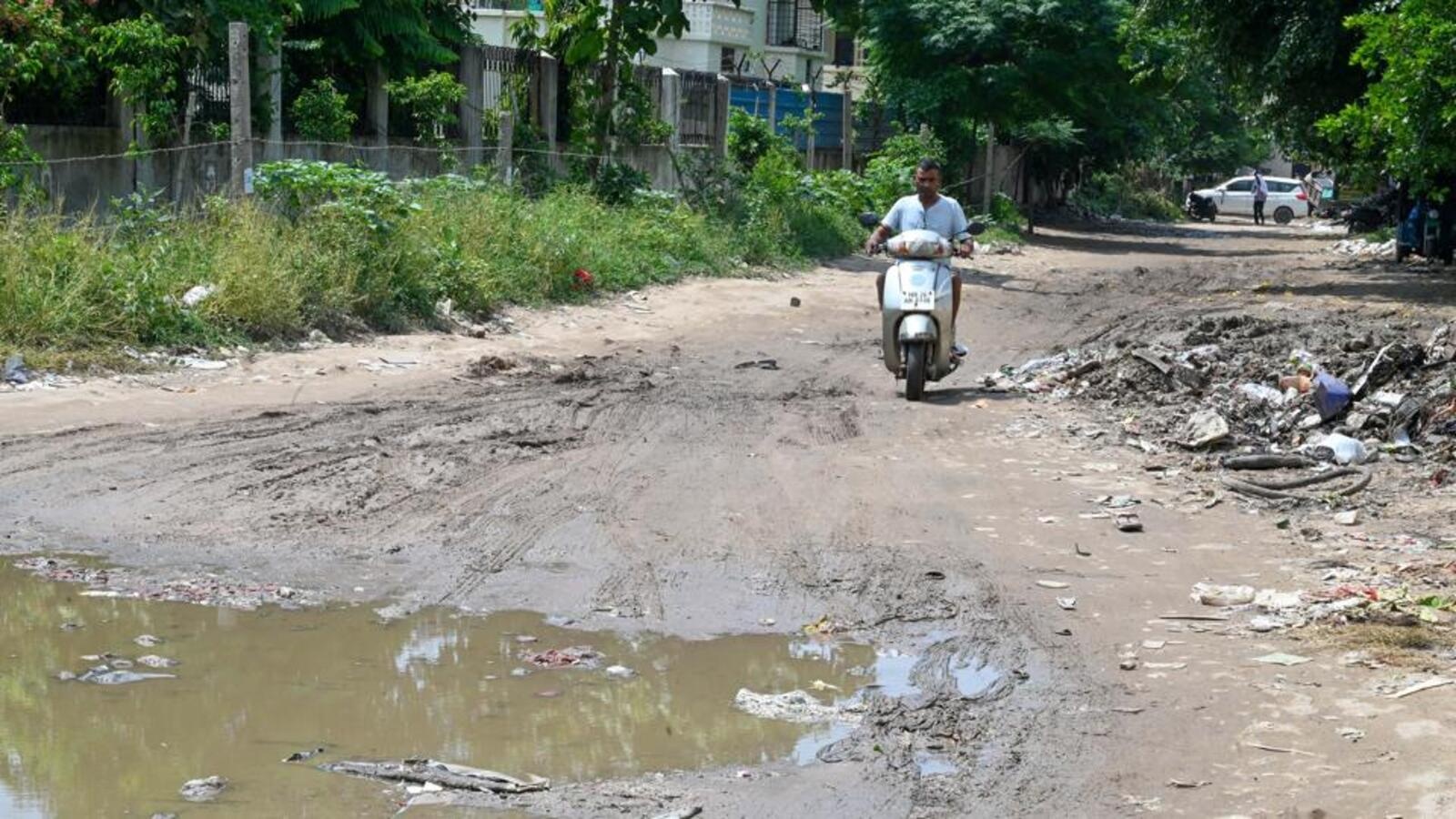
Residents of a residential neighbourhood in Gurugram have raised concerns about deteriorating road infrastructure months after repair work was carried out, highlighting broader questions about urban maintenance and construction quality in rapidly expanding cities. Complaints emerging from the area point to potholes, damaged surfaces and excessive dust along internal streets, with residents urging authorities to intervene before conditions worsen further. Local residents say the issue centres on internal sector roads that were resurfaced in recent years but began deteriorating soon after heavy rainfall. According to community representatives, the Gurugram Sector 17C road conditions have created daily inconvenience for commuters and pedestrians in the area, which houses several hundred families.
Urban planners note that such local road networks play a crucial role in the functioning of residential neighbourhoods. While expressways and arterial corridors often receive significant investment, sector-level roads provide essential access to homes, schools and neighbourhood markets. When these roads deteriorate, mobility and safety at the community level can be directly affected. Residents say uneven surfaces and potholes have made driving uncomfortable while also generating dust across the locality. Community members report that the broken stretches have created difficulties for pedestrians, particularly senior citizens and children who rely on these streets for daily movement within the neighbourhood. Neighbourhood representatives have also pointed to potential public health concerns linked to dust generated from damaged road surfaces. In residential zones where houses line narrow streets, airborne dust can settle across homes and public spaces, affecting daily life for residents. Municipal representatives, however, say the issue is not solely linked to construction quality. According to local officials, drainage disruptions caused by private structures such as ramps and boundary modifications outside homes may have contributed to water accumulation during rainfall. Poor drainage, experts note, is a major factor behind premature road deterioration in many urban areas.
Waterlogging can weaken asphalt layers and lead to surface cracking, eventually creating potholes. Urban infrastructure specialists emphasise that maintaining clear drainage channels is essential for ensuring the durability of local road networks, particularly in monsoon-prone regions. Officials familiar with the matter say the civic body is reviewing the Gurugram Sector 17C road conditions and may conduct an on-ground inspection to assess the extent of damage. If drainage blockages or encroachments are identified, residents may be asked to remove them to ensure smoother water flow during rainfall. Authorities are also considering a broader redevelopment plan for the internal roads in the area. Preliminary discussions suggest that the affected streets could be redesigned as a “model road” corridor incorporating improved drainage, resurfacing and safety features. Urban development experts say such projects present an opportunity to rethink neighbourhood street design. Model road initiatives can include better pedestrian infrastructure, organised parking spaces and improved stormwater systems, creating streets that are both safer and more resilient to climate-related challenges.
As Gurugram continues to grow as a major urban centre in the National Capital Region, maintaining the quality of everyday infrastructure remains a critical challenge for city administrators. Addressing the Gurugram Sector 17C road conditions will require coordinated action between civic agencies and residents to ensure that local streets remain functional, safe and sustainable for the communities that depend on them.