Delhi Explores Water Exchange Arrangement With Haryana
Delhi’s urban water planners are exploring a resource-sharing arrangement with neighbouring Haryana aimed at addressing the capital’s persistent supply deficit. The proposal centres on a Delhi Haryana water exchange mechanism in which treated water from Delhi would be supplied in return for additional untreated river water from upstream sources, potentially helping bridge seasonal shortages in one of India’s most water-stressed megacities. Officials involved in the discussions say the arrangement could involve transferring around 30 cusecs of untreated water from Haryana to Delhi while the capital supplies an equivalent volume of treated water back to locations that can use it for agriculture or non-potable needs. The initiative reflects growing recognition that cooperative regional water management may be essential as urban populations expand and climate variability intensifies.
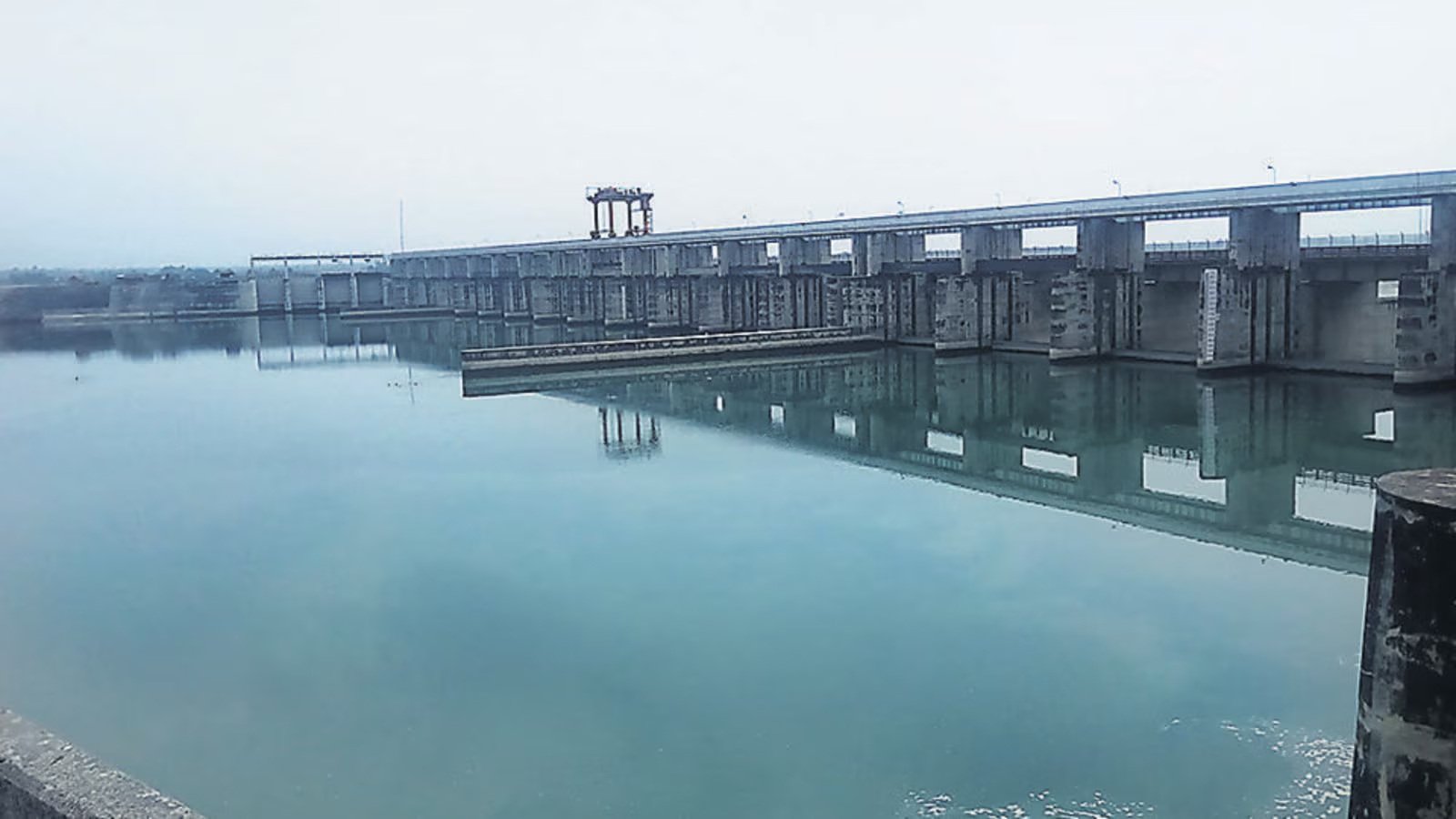
Delhi currently produces roughly 900 to 1,000 million gallons of potable water per day through its treatment facilities. However, the city’s daily demand is estimated to exceed 1,250 million gallons, creating a supply gap that becomes particularly severe during peak summer months when consumption rises sharply. Much of the capital’s drinking water originates from interstate sources, including canal systems flowing from neighbouring states. One of the most critical supply routes is a canal network carrying water from Haryana, which accounts for a substantial share of Delhi’s treated drinking water supply. Urban infrastructure specialists say the Delhi Haryana water exchange proposal is also tied to improving water transmission efficiency. Distribution losses during conveyance remain a major challenge across regional supply networks. Government estimates suggest that around one-fifth of the water transported from upstream sources is lost before reaching treatment facilities due to leakage, evaporation and outdated pipeline infrastructure.
To address this, city authorities have begun upgrading segments of the capital’s water distribution network. Ageing pipelines are being replaced to reduce wastage and ensure that the full volume of allocated water reaches treatment plants and distribution nodes. Water management experts say such collaborative arrangements could become increasingly common in metropolitan regions where administrative boundaries intersect with shared river basins. Instead of relying solely on expanding raw water extraction, cities are gradually exploring circular water systems where treated wastewater can be reused for industrial or agricultural purposes. This approach also aligns with broader climate resilience strategies. By recycling treated water and reducing transmission losses, cities can stretch limited freshwater supplies while protecting groundwater reserves that are under growing stress from over-extraction. For Delhi, which relies heavily on external water sources, the success of the Delhi Haryana water exchange model could influence future interstate water cooperation frameworks. Urban planners note that similar agreements may be necessary as cities across northern India face rising demand, erratic rainfall patterns and increasing pressure on river systems.
Negotiations between the two governments are ongoing, and technical teams are examining operational, environmental and infrastructure aspects of the proposed exchange. If implemented, the arrangement could become an important step toward building a more integrated and climate-resilient regional water management system for the national capital region.