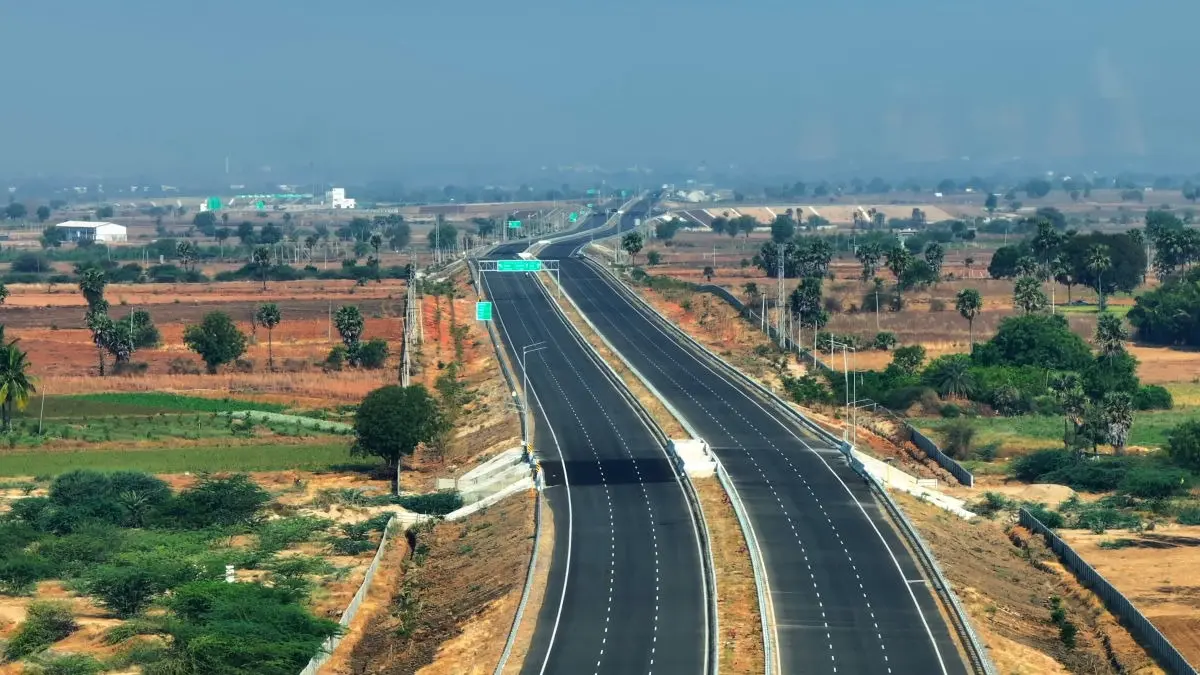
Surat To Anchor New North‑South Green Express Highway Corridor
India’s transport network could be reshaped with a proposed greenfield expressway corridor starting near Surat, announced in the Rajya Sabha by the Union Road Transport and Highways Minister this week. The corridor, stretching southwards through Maharashtra and beyond, is projected to shorten the Delhi–Chennai highway distance by around 320 km — a transformative shift for national freight movement, logistics economics and regional industrial connectivity.
During parliamentary proceedings, the minister confirmed plans for a new Green Express Highway from Surat to Kurnool in Andhra Pradesh. Once linked into broader north‑south highway frameworks, the corridor aims to integrate major economic centres with a more direct route that bypasses several congested urban bottlenecks on existing alignments. Officials say the project is designed to ease pressure on traditional national highways that fleet operators and long‑haul transporters traverse between northern, western and southern India. By improving transit efficiency, the new route could help reduce fuel costs, lower freight turnaround times and foster competitive advantages for exporters and manufacturers across connected states. For Surat — one of Gujarat’s fastest‑growing industrial and urban centres — the announcement comes at a pivotal moment. The city is already expanding node‑based logistics infrastructure and mobility projects, including the metro network and solar manufacturing capacities. A strategic expressway corridor anchored here would further support Surat’s role as a multimodal hub linking Gujarat’s coastal economy with inland markets.
Urban transport planners highlight that such north‑south expressways can serve dual roles: enhancing passenger vehicle connectivity while underpinning freight corridors that carry intermediate goods between production clusters. “Direct, high‑capacity corridors help logistics operators avoid circuitous routes that add transit costs,” said a senior mobility specialist. “But these projects must be planned alongside local urban integration to avoid externalities like increased traffic near city peripheries.”The proposed Surat–Kurnool Green Express Highway is also expected to dovetail with the major Delhi–Mumbai Expressway to its north — an existing 1,350‑km arterial road already reducing travel times between NCR and western ports via Gujarat. Efficient linkage between the two could support seamless freight movement from northern markets to southern destinations, fostering greater synergy between industrial clusters.
Yet, major greenfield corridor projects come with planning challenges. Land acquisition, environmental clearances and alignment optimisation are typical hurdles that can delay execution and inflate costs. Urban resilience advocates argue that such infrastructure should be designed with integrated environmental and social impact assessments — particularly near sensitive ecosystems and densely settled regions.For Surat and surrounding districts, the announcement signals long‑term opportunities in transport‑driven development. As fast‑moving goods transport becomes more time‑sensitive, improved arterial connectivity could attract industrial investment, support logistics parks and reduce carbon intensity by decreasing idling and detours.
The next critical phase will be the formal approval of detailed project reports (DPRs), balancing infrastructure ambition with sustainable land use, equitable development and climate‑aware design principles.