Gurugram Sewer Network Upgrade Planned Across Old City
Municipal authorities in Gurugram have begun a major overhaul of ageing underground infrastructure in several older neighbourhoods as part of a Gurugram sewer network upgrade aimed at reducing sewage overflows and preventing contamination of drinking water. The project targets long-standing sanitation challenges in densely populated areas where decades-old pipelines are struggling to cope with rising wastewater volumes. Officials overseeing civic infrastructure say more than twenty localities across the older parts of the city have been identified for sewer replacement and rehabilitation. These include several historic residential and commercial clusters where underground utility networks were installed more than three decades ago and have since deteriorated under increasing urban pressure.
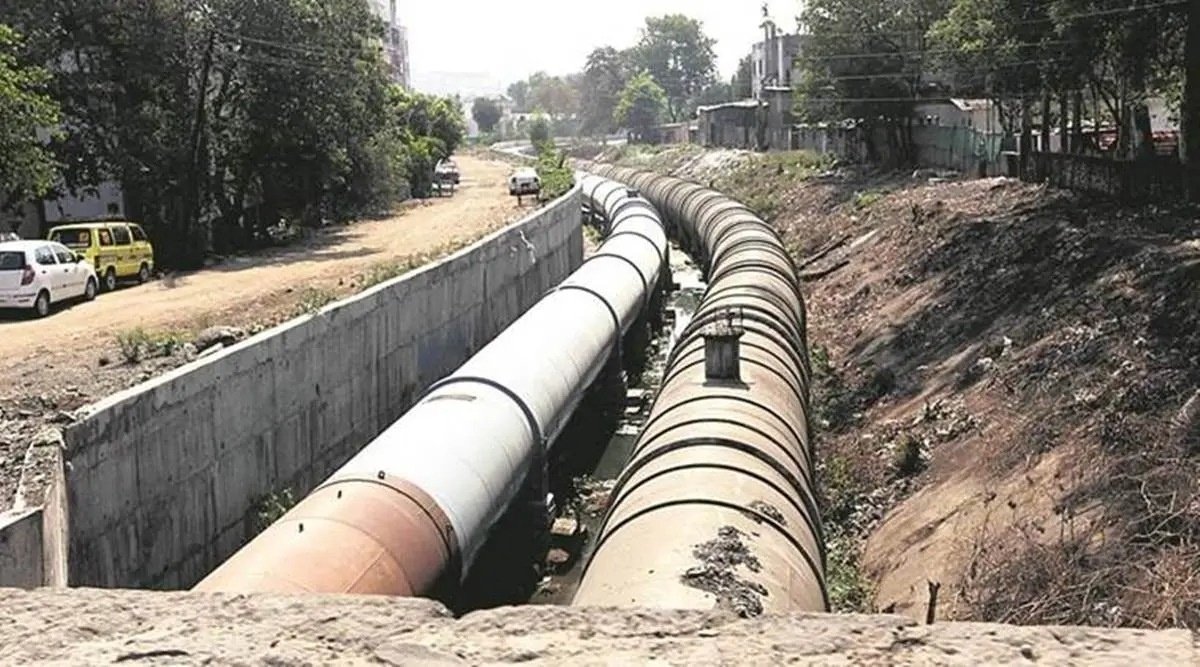
The Gurugram sewer network upgrade is expected to focus initially on areas known to experience repeated sewer blockages and monsoon flooding. Urban engineers say many pipelines currently in service were designed for significantly smaller populations and are no longer capable of handling present-day sewage loads. In some neighbourhoods, pipeline diameters are being substantially increased to improve wastewater flow capacity. Civic engineers involved in the project say sections of the network currently using smaller pipes will be replaced with larger lines designed to accommodate higher volumes of sewage generated by expanding residential and commercial activity. Alongside sewer replacement, authorities are also planning to renew drinking water pipelines in certain locations. Infrastructure experts note that ageing underground utilities often run close to each other, and damage to sewer lines can lead to leakage and contamination of water supply systems if both networks deteriorate simultaneously.
The Gurugram sewer network upgrade also includes the use of modern trenchless rehabilitation techniques in busy commercial zones where traditional excavation could disrupt economic activity. In such areas, engineers plan to deploy cured in place pipe technology, a method that inserts a resin coated liner into damaged pipelines to form a new internal pipe structure without digging up roads. Urban infrastructure specialists say trenchless solutions are increasingly being adopted in dense city centres because they allow essential underground repairs while minimising traffic disruption, commercial losses and construction waste. In parallel with sewer replacement, municipal authorities are also working to strengthen stormwater drainage in several sectors of the city that regularly face waterlogging during heavy rains. Experts emphasise that wastewater systems and rainwater drainage must function together to reduce flooding risks in rapidly urbanising regions. Urban planners note that improving underground sanitation infrastructure is essential for building resilient and liveable cities. Ageing sewer networks not only create public health risks but can also undermine groundwater quality and urban environmental conditions. The Gurugram sewer network upgrade therefore forms part of a broader effort to modernise civic infrastructure in areas that developed before the city’s rapid economic expansion over the past two decades. Officials say work will be executed in phases across different neighbourhoods to ensure continuous monitoring of construction quality and faster completion of priority sections before the monsoon season.
For a city that continues to attract large-scale real estate investment and population growth, strengthening core infrastructure systems such as sewer networks will remain critical to ensuring sustainable and equitable urban development.
Gurugram Sewer Network Upgrade Planned Across Old City