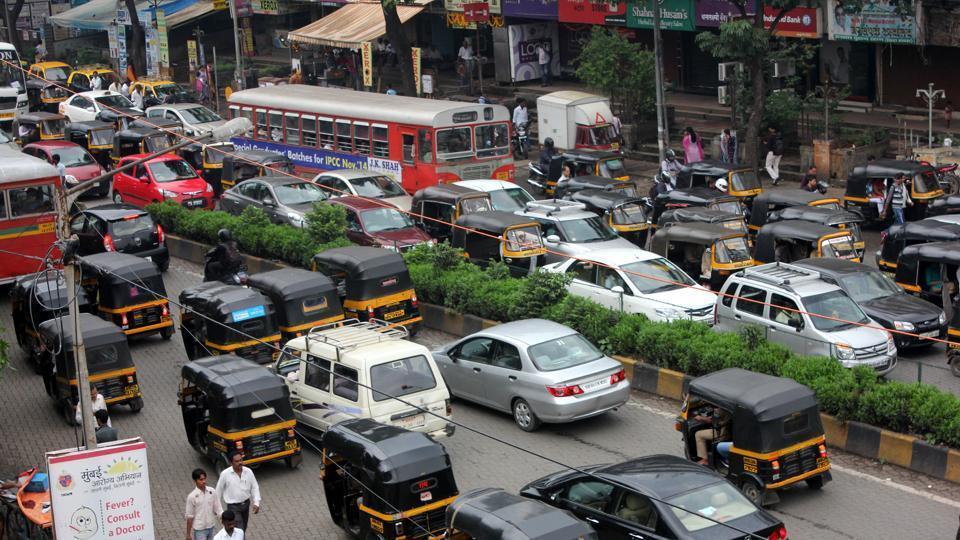
Traffic authorities in Mumbai have issued safety advisories after a hazardous spill of oil and sewage residue created dangerously slippery road conditions near the Bhandup pumping station junction in the city’s eastern suburbs. The incident occurred during ongoing sewer infrastructure work, forcing officials to caution motorists and manage traffic flow along one of the area’s frequently used arterial stretches.
According to civic officials monitoring the situation, a mixture of oily residue and drainage slurry spread across the road surface near the junction during maintenance activity linked to underground sewer systems. The resulting surface conditions significantly increased the risk of skidding, particularly for two-wheeler riders navigating the busy corridor during peak commuting hours. The Bhandup road spill quickly drew attention from traffic authorities, who urged motorists to slow down and maintain safe distances while passing through the affected stretch. Ground personnel were deployed to manage traffic movement and guide vehicles through the area until the road surface could be stabilised.
Urban infrastructure experts say such incidents highlight the operational challenges cities face while upgrading ageing underground utilities. Sewer rehabilitation and drainage projects are essential to improve sanitation and reduce flooding risks, but they often require careful traffic management and strict safety protocols to prevent hazards on active roadways. The affected junction sits close to key transport corridors linking residential neighbourhoods in eastern Mumbai with employment centres across the metropolitan region. Even short disruptions at these nodes can cause ripple effects across local traffic networks. Officials indicated that the Bhandup road spill was linked to ongoing work aimed at strengthening the city’s sewerage network. Mumbai’s drainage infrastructure has been undergoing gradual upgrades in recent years as the city attempts to improve resilience against flooding and pollution, particularly during the monsoon season. Transport planners note that road safety around infrastructure worksites has become an increasingly important issue in rapidly growing cities. Temporary hazards such as oil leaks, mud accumulation or drainage overflow can turn into serious risks for commuters if not quickly addressed.
Meanwhile, the city’s traffic police also reported congestion at other locations due to separate incidents, including a collision on a southbound bridge corridor in south Mumbai and a vehicle breakdown affecting traffic near Kurla. Teams were deployed to clear the affected vehicles and restore normal movement. In a separate traffic management measure, authorities have also begun phased restrictions on the Parel TT flyover to allow structural repairs and strengthening of the ageing structure. Diversions have been introduced to regulate vehicle movement during different time slots while maintenance work continues. Urban mobility specialists say Mumbai’s dense transport network requires constant coordination between infrastructure agencies and traffic authorities. Ensuring safer road conditions during civic works remains crucial not only for commuter safety but also for maintaining the efficiency of the city’s economic and logistics networks.
As clean-up operations continue, officials have urged motorists to remain cautious while travelling through the affected Bhandup corridor until the road surface is fully restored.
Mumbai Bhandup Road Spill Triggers Safety Alert For Commuters