Nagpur Flood Repair Funds Released Amid River Risks
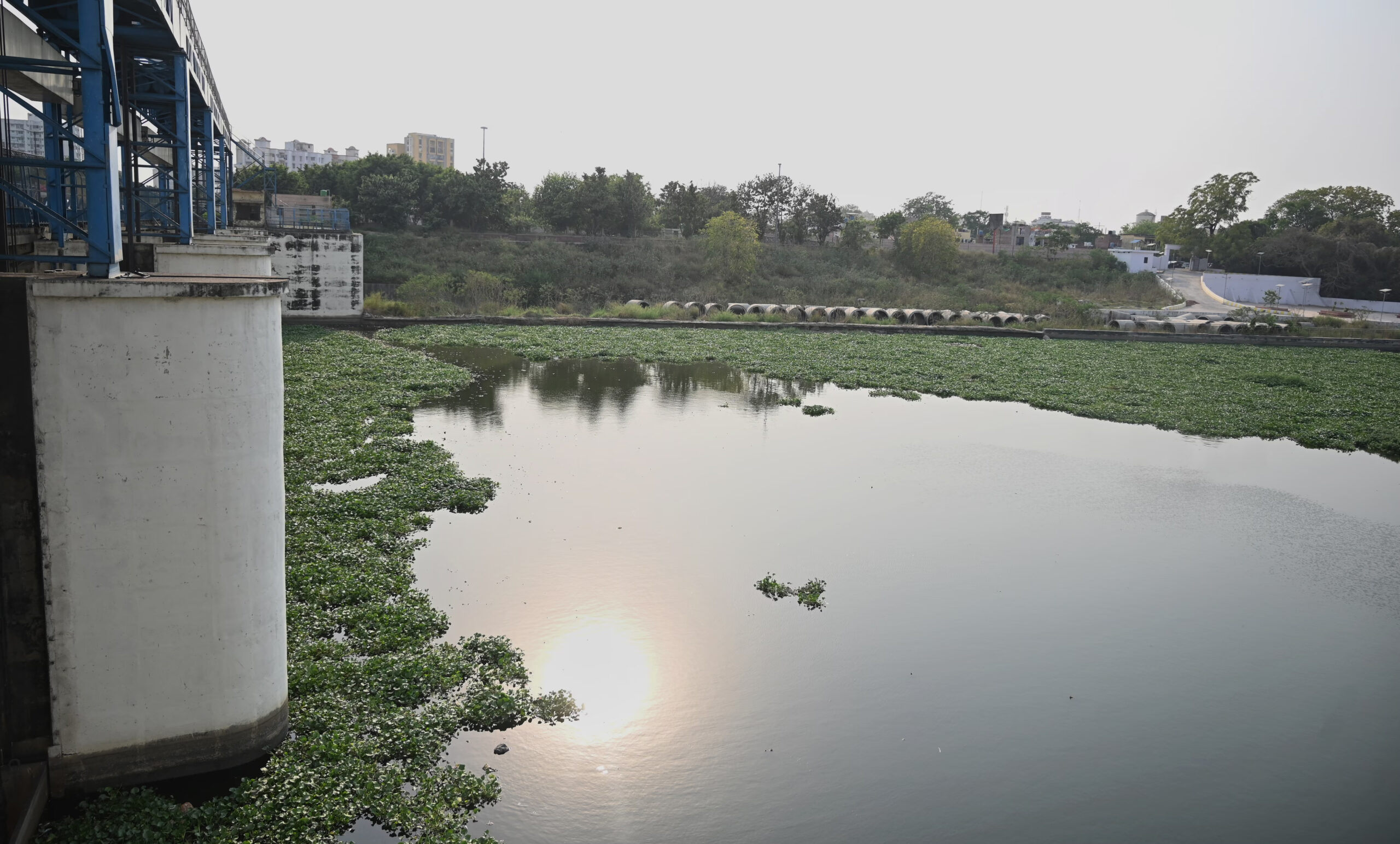
The Gomti River pollution crisis in Lucknow has intensified after a dense spread of aquatic weeds formed a near-continuous layer across sections of the river near Kudia Ghat, sharply lowering oxygen levels and raising fresh concerns about the health of the city’s primary waterway. Environmental experts warn that the sudden surge in water hyacinth could threaten aquatic ecosystems, disrupt river-based livelihoods and complicate urban water management if not addressed quickly.
Authorities and ecological teams are preparing a large-scale removal operation scheduled to begin later this month. The effort will involve specialised boats and trained personnel working along affected stretches of the river to extract the floating vegetation. Officials associated with the clean-up estimate the removal process could take several days due to the density and scale of the weed growth. Scientists studying the river say the rapid expansion of water hyacinth is a serious indicator of declining river health. The plant thrives in nutrient-rich water, often linked to untreated sewage, stagnant flows and excessive organic waste entering urban rivers. Once established, the thick floating cover blocks sunlight and reduces the exchange of oxygen between air and water, causing dissolved oxygen levels to fall dramatically. Low oxygen levels can have severe ecological consequences. Fish and other aquatic organisms rely on dissolved oxygen to survive, and a prolonged decline can result in mass die-offs and loss of biodiversity. Environmental researchers note that when large quantities of aquatic weeds begin to decay, the decomposition process further consumes oxygen, accelerating ecological stress within the water body.
The situation is also affecting human activity along the riverfront. Boat operators and small tourism businesses that depend on river navigation report that dense weed clusters have made several stretches difficult to access. In addition to limiting mobility on the river, thick vegetation can slow water flow and increase the risk of sediment accumulation near riverbanks. Urban water management specialists say the Gomti River pollution challenge reflects broader issues faced by many Indian cities where river ecosystems struggle under the combined pressure of urban growth, infrastructure disruptions and wastewater discharge. In this instance, officials indicated that temporary changes in river flow linked to repair work at a nearby barrage may have created stagnant conditions, allowing water hyacinth to multiply rapidly. Municipal authorities say they will coordinate with environmental teams during the clean-up operation and are exploring ways to reuse the removed vegetation. One approach being considered is converting the plant biomass into organic compost when mixed with other biodegradable materials, reducing waste while supporting local agricultural use. Long-term river restoration, however, will depend on sustained efforts beyond periodic clean-up drives. Urban planners and environmental experts emphasize the importance of improving sewage treatment infrastructure, maintaining consistent river flow and protecting riparian ecosystems.
As Lucknow continues expanding as a regional economic hub, safeguarding the ecological health of the Gomti River will remain central to building a resilient and liveable city where water resources support both urban growth and environmental balance.
Lucknow Gomti River Oxygen Levels Trigger Cleanup Plan