


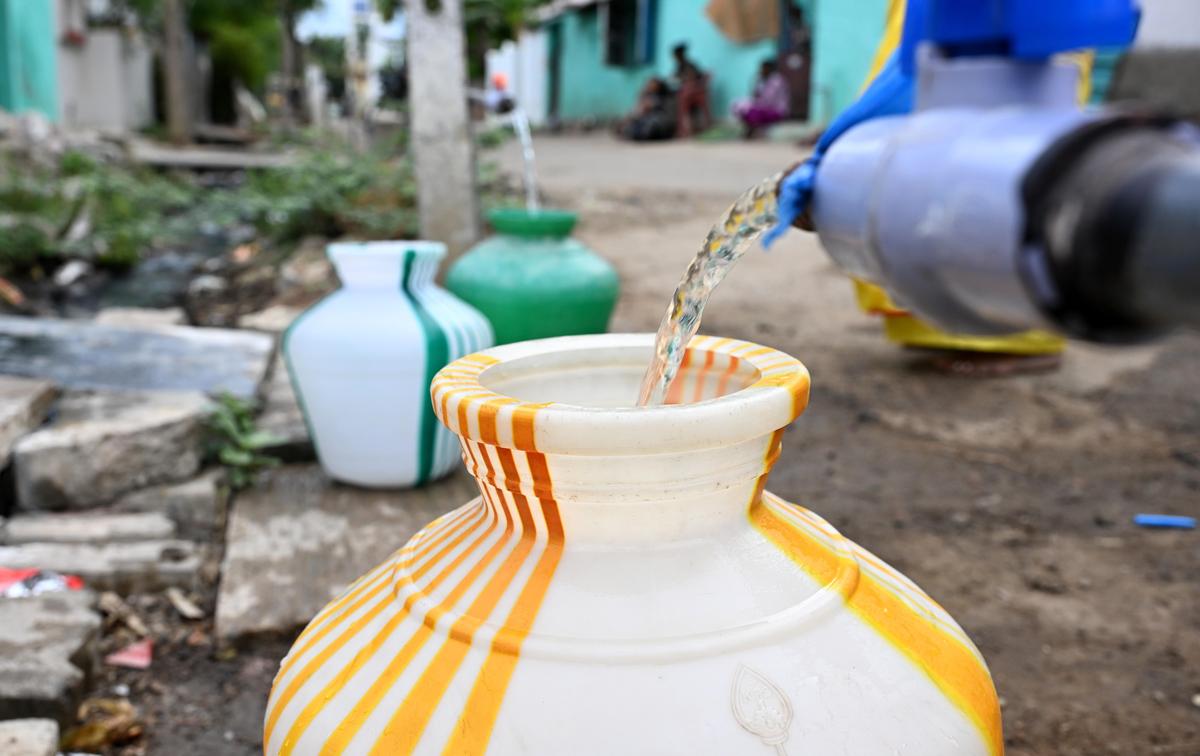
Implementation of the Jal Jeevan Mission in Yavatmal has hit a critical pause, with payments amounting to ₹128 crore pending, according to senior administrative sources. Contractors overseeing rural water supply projects have slowed or halted work after receiving incomplete compensation, threatening the timely delivery of essential drinking water services across multiple villages. The disruption underscores the challenges of fund-dependent infrastructure execution in semi-urban and rural Maharashtra.
Officials report that approximately 60% of the planned work under the mission has been completed. However, the stalled payments have prompted some contractors to temporarily withdraw from active projects, delaying construction of pipelines, water treatment units, and local distribution networks. Local administrators stress that such interruptions could impact not only access to potable water but also broader public health outcomes in rural communities.The funding bottleneck stems from delays in the release of grants from state and central government sources. Payments for infrastructure work under the mission are typically disbursed after verification of completed milestones, but late transfers are disrupting cash flows for contractors and delaying procurement of essential materials. A senior government official noted that this has created an operational gap, where ongoing projects face execution challenges despite administrative oversight.
Urban and rural development experts say this situation reflects systemic risks in project financing models that rely heavily on staggered government grants. “Delays in fund transfers can cascade into operational stoppages, affecting service delivery and local economic activity,” observed an infrastructure analyst familiar with water supply missions in India. Contractors, often small and medium-scale enterprises, are particularly vulnerable to such delays, as limited liquidity restricts their ability to sustain work without timely payments.The disruption in Yavatmal also highlights broader implications for climate-resilient rural infrastructure. Access to reliable drinking water is increasingly critical amid rising temperatures and erratic rainfall patterns in Vidarbha, which exacerbate water scarcity. Planners emphasise that consistent funding and robust project monitoring are vital to ensuring water security and achieving sustainable development targets.
Local authorities have indicated that administrative mechanisms are being reviewed to accelerate fund clearance and minimise future project delays. Officials are coordinating with state finance departments to release pending payments, which would allow contractors to resume work and bring the mission back on track. Meanwhile, villagers dependent on these water systems are facing temporary challenges, stressing the need for contingency measures such as interim water supply arrangements.As Yavatmal moves to stabilise the Jal Jeevan Mission’s implementation, the situation serves as a cautionary example for similar rural infrastructure programmes across Maharashtra. Ensuring timely funding, transparent monitoring, and contractor support is increasingly crucial for achieving sustainable, climate-resilient rural development outcomes.
Yavatmal Jal Jeevan Mission Work Faces Funding Delay
