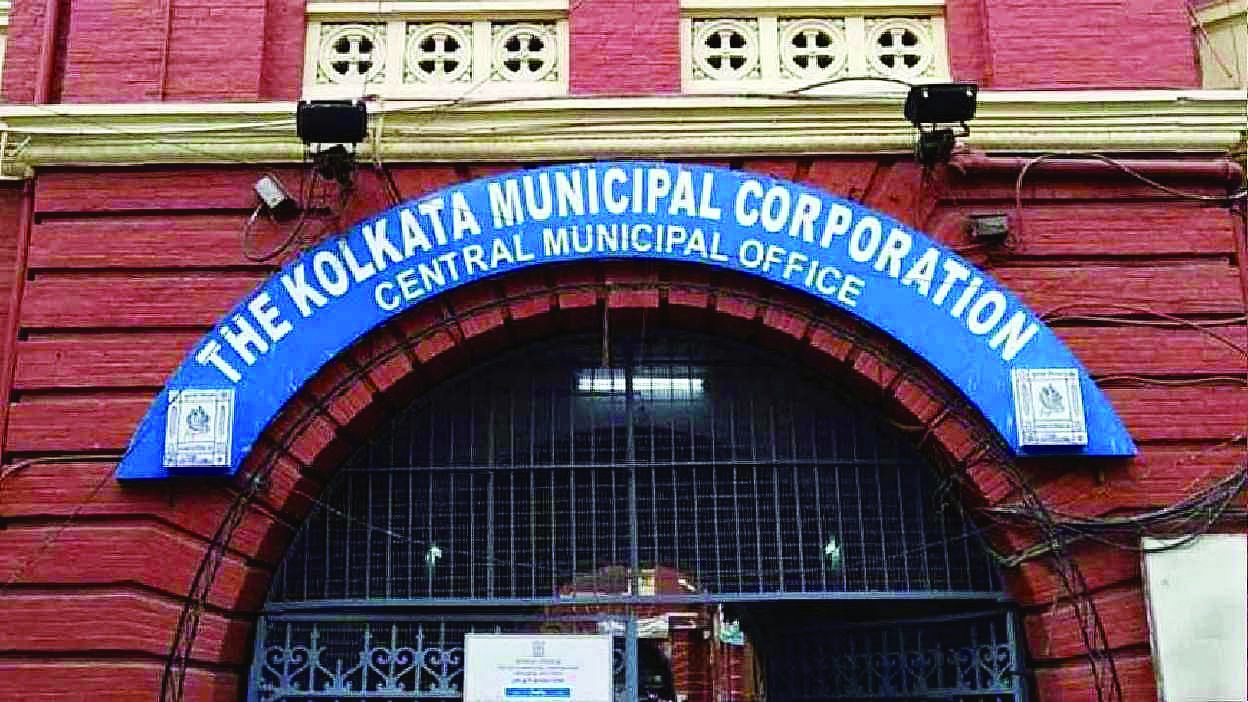
Kolkata Civic Crackdown Targets Property Tax Defaulters in Central Market
A civic enforcement drive in central Kolkata has temporarily shut down multiple retail units in a commercial complex near the municipal headquarters after authorities acted against long-pending property tax defaulters.
The operation highlights mounting concerns among city administrators over unpaid municipal revenues and their implications for urban infrastructure financing and public service delivery.Officials from the assessment division of the Kolkata Municipal Corporation carried out the enforcement action at a prominent shopping arcade located along the busy SN Banerjee Road corridor. Several shops were sealed after owners failed to clear outstanding property tax dues despite repeated notices. Municipal authorities said the move forms part of a broader Kolkata property tax drive aimed at strengthening revenue compliance across commercial districts.
According to senior civic officials familiar with the exercise, some traders responded quickly after the action began, clearing partial dues to regain access to their premises. However, authorities indicated that units failing to regularize payments within the stipulated time frame could face stricter measures, including renewed closure and possible recovery proceedings.Municipal finance teams estimate that arrears from the commercial complex alone run into several crores of rupees, underscoring a growing challenge for urban administrations dependent on property taxes to fund essential services. These funds are typically channeled into maintaining roads, drainage systems, waste management networks and other critical civic infrastructure.Urban policy experts note that consistent enforcement is becoming increasingly important as Indian cities attempt to modernize municipal finance systems. Property tax remains one of the most reliable local revenue streams available to urban governments, yet compliance often varies widely across markets and commercial zones.The Kolkata property tax drive also reflects a wider administrative effort to address tax gaps in some of the city’s busiest retail areas. Inspection teams have reportedly expanded monitoring to nearby commercial clusters, including markets around the historic New Market Kolkata precinct and adjoining business corridors.Officials suggest that many traders operating in high-footfall markets generate substantial turnover but still delay statutory payments, creating financial pressure on municipal budgets. Strengthening tax compliance, they argue, is critical not only for financial discipline but also for sustaining investments required to make cities more resilient and livable.
Urban planners emphasis that stable municipal revenues help cities invest in climate-resilient infrastructure, improved mobility systems and inclusive public spaces—priorities increasingly central to long-term urban development strategies.With the current financial year approaching its close, municipal authorities are expected to intensify inspections and recovery actions across commercial hubs. For businesses, the message is clear: regulatory compliance is becoming a non-negotiable component of operating in rapidly evolving urban economies.
Kolkata Property Tax Drive Targets Market Defaulters