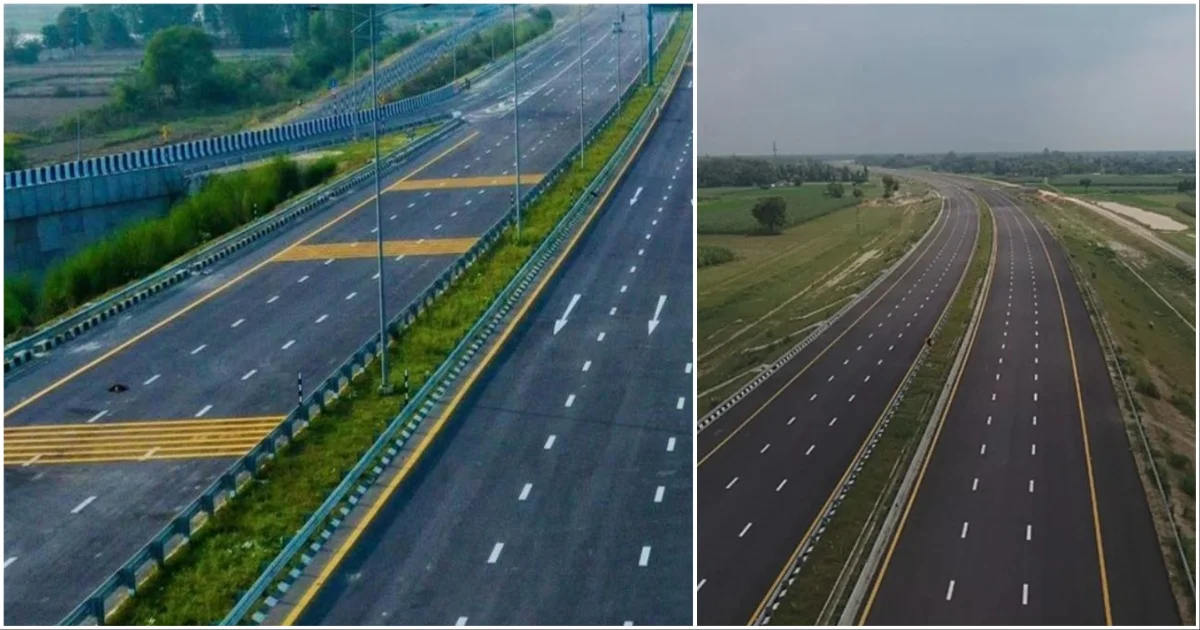
Transport infrastructure in Bhagalpur is set for a significant upgrade as state authorities move ahead with plans to widen a key urban corridor into a four-lane road. The proposed project, linking Lohia Bridge to Aliganj Bypass, is expected to ease congestion across one of the city’s busiest traffic routes and improve connectivity between residential and commercial areas. Officials from the state road construction department say the nearly four-kilometre stretch will be redeveloped into a multi-lane urban road designed to accommodate rising traffic volumes. The Bhagalpur four lane road project is estimated to require an investment of around ₹50 crore and is expected to be completed within roughly a year once construction begins.
Transport planners view the corridor as a strategic route that currently carries heavy daily traffic, including commuter vehicles, goods transport and local public transport services. With Bhagalpur expanding as a regional commercial hub in eastern Bihar, existing road infrastructure has struggled to keep pace with increasing mobility demand. Authorities say the tender process for the project is nearing completion, with multiple infrastructure contractors participating in the bidding process. Once the contract is finalised, preparatory work will begin along the alignment, including relocation of electricity poles and overhead power lines that run along sections of the road. Urban infrastructure experts say such preliminary work often determines how smoothly large urban road projects progress. Coordinated planning between transport departments, electricity utilities and local civic authorities will be necessary to prevent delays once physical construction begins. Another critical step before the start of the Bhagalpur four lane road project will involve clearing encroachments along the roadside. Local authorities are expected to undertake removal of temporary structures and other obstacles to ensure sufficient space for widening the corridor.
Beyond easing traffic bottlenecks within the city, the upgraded route is expected to strengthen links between Bhagalpur’s central areas and surrounding neighbourhoods. Improved road capacity could also support economic activity by reducing travel time for freight movement and commuter traffic. In parallel, officials are also preparing to revive a separate road infrastructure proposal in the region. The second project involves building a longer four-lane road connecting Bhagalpur with nearby settlements, creating a wider transport corridor that would link multiple villages to the city. Urban planners say such connectivity projects can have far-reaching economic effects in semi-urban regions. By improving road access between towns and surrounding rural areas, infrastructure investments can help expand labour mobility, support agricultural supply chains and stimulate small business activity. However, experts also note that modern road development must consider sustainability and urban design principles. Wider roads can reduce congestion in the short term, but cities increasingly need integrated mobility planning that includes public transport, pedestrian access and climate-resilient infrastructure.
If implemented efficiently, the new road corridor could provide Bhagalpur with improved urban mobility while strengthening regional connectivity. For a growing city balancing economic development with infrastructure needs, the coming year will be critical in determining whether these projects deliver the expected relief from traffic pressure.
Bhagalpur Four Lane Road Project Set To Begin