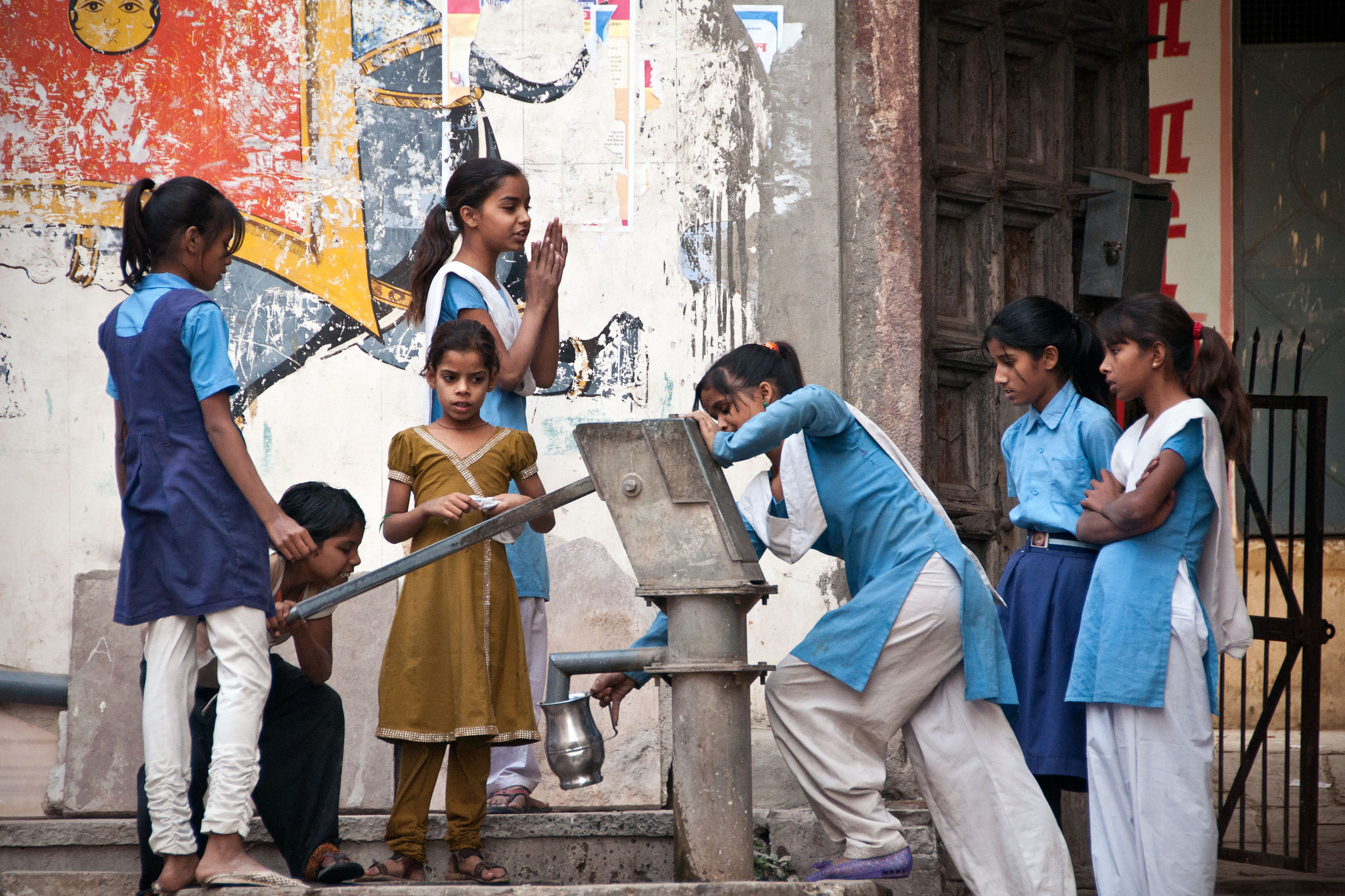
Bihar has strengthened its standing in India’s development rankings after making notable advances in water access and sanitation services, placing among the leading states under the Sustainable Development Goals framework. The latest national index assessing progress on SDG targets shows the state securing one of the highest scores for clean water and sanitation indicators, reflecting steady improvements in public infrastructure and service delivery.
The improvement in Bihar SDG water sanitation indicators is considered significant for a state that historically faced infrastructure deficits in rural and urban utility services. According to recent data from the national SDG assessment framework, Bihar’s performance under Goal 6—focused on safe drinking water, sanitation systems and hygiene—has reached near-universal benchmarks. The progress has contributed to a gradual improvement in the state’s overall sustainable development score over the past five years. Officials involved in development planning say the gains are the result of sustained investments in rural water supply networks, sanitation coverage and public health programmes. Expansion of household toilet access, piped drinking water schemes and community hygiene campaigns have collectively helped improve outcomes across districts. Urban planners point out that improved Bihar SDG water sanitation outcomes also play a critical role in shaping healthier and more resilient cities. Reliable access to water and sanitation reduces disease risks, improves environmental conditions and supports inclusive growth by ensuring that vulnerable communities benefit from basic urban services. These factors are increasingly recognised as central to sustainable urban development.
The state’s broader SDG performance has also shown incremental progress, moving it into a higher classification bracket within the national index. Policy analysts attribute this shift to targeted social programmes, better monitoring of development indicators and increased coordination between state departments responsible for infrastructure, welfare and economic planning. The discussion around the latest SDG assessment coincided with policy dialogues focusing on gender equality and social inclusion, areas that remain closely linked with development outcomes. Development experts highlighted that progress on water and sanitation services often has direct implications for women’s health, education and economic participation, particularly in low-income and rural communities where access to basic utilities can influence daily life. Participants in the policy discussions also examined indicators tied to women’s empowerment, including employment participation, education access and safety. Experts emphasized that sustained improvements in development rankings will require stronger gender-responsive planning and expanded economic opportunities for women across sectors. Urban development specialists say the intersection of water infrastructure, sanitation systems and gender equality remains critical for long-term sustainability. When water and sanitation services improve, the time burden on women and girls for household water collection typically declines, allowing greater participation in education, employment and civic life. Despite the progress, development analysts caution that maintaining momentum will require continued investment in infrastructure and governance capacity. Strengthening data-driven policymaking, expanding urban water networks and ensuring equitable access to sanitation services will remain key priorities as Bihar’s towns and cities continue to grow.
For policymakers, the recent gains underline how targeted infrastructure improvements can drive broader social and economic development. As Bihar works to consolidate its progress within the national SDG framework, ensuring resilient water and sanitation systems will remain central to building healthier, more inclusive communities.
Bihar SDG Water Sanitation Progress Reaches Top Tier