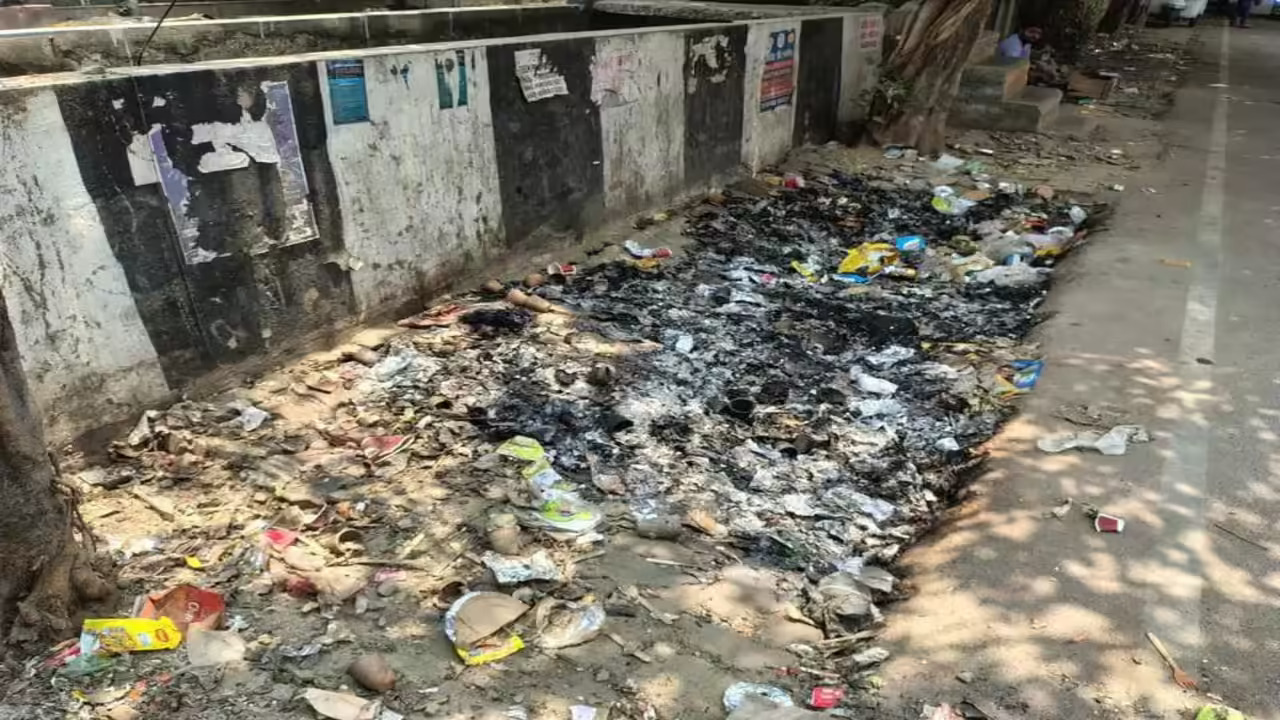
Waste collection systems across several parts of Lucknow are showing signs of strain, with residents reporting irregular household pickups and increasing roadside waste accumulation. The disruption, affecting neighbourhood across multiple municipal zones, has triggered concerns about sanitation standards, public health risks and the effectiveness of the city’s outsourced solid waste management framework.
The situation has become particularly noticeable in residential and mixed-use neigbourhoods where daily door-to-door collection services had previously stabilized urban sanitation. Residents now say collection vehicles appear intermittently, leaving households to temporarily store waste indoors or resort to informal disposal practices. Urban governance specialists note that inconsistent Lucknow garbage collection systems can quickly erode gains made in city cleanliness programes, especially in rapidly expanding urban areas. Field observations across several northern, eastern and central neigbourhood clusters reveal waste accumulating at secondary collection points and along roadsides. In many cases, discarded materials have been scattered by animals, creating odour and hygiene concerns for nearby housing clusters and pedestrians. Environmental planners warn that such conditions can worsen vector-borne disease risks during warmer months, particularly in dense neigbourhoods with limited open space and drainage capacity. Residents from newly incorporated municipal wards have reported the most pronounced service gaps. According to community representatives, sanitation vehicles are covering only a fraction of scheduled routes, leaving large sections of households without regular waste lifting. These service lapses also place additional pressure on informal dumping sites that often emerge in vacant plots and roadside corners when official collection systems falter.
Market areas have also begun to feel the effects. Traders operating in busy commercial corridors report slower removal of daily waste, particularly during periods of higher retail activity. With increased organic waste from markets and food establishments, sanitation delays can create operational challenges for local businesses and raise broader environmental concerns. Urban governance analysts point out that the city’s reliance on contracted sanitation operators requires rigorous monitoring and transparent performance tracking. Private operators typically manage door-to-door collection across multiple municipal zones, making route planning, vehicle availability and worker deployment critical for maintaining consistent service coverage. Any breakdown in these logistics can quickly affect thousands of households. Municipal officials acknowledge that gaps in Lucknow garbage collection services have been identified and say corrective measures are underway. Authorities indicate that adjustments to route planning, fleet deployment and service monitoring are being implemented to restore regular collection cycles. A performance audit by an independent agency is also expected to evaluate sanitation contractors and recommend improvements.
For a fast-growing city like Lucknow, effective waste management remains central to sustainable urban development. Reliable sanitation systems not only protect public health but also support climate-resilient cities by preventing unmanaged waste from entering drainage networks, waterways and informal dumping grounds. As the city expands, strengthening monitoring mechanisms and infrastructure capacity will be crucial to ensure waste services keep pace with urban growth.
Lucknow Garbage Collection Disruptions Raise Health Fears