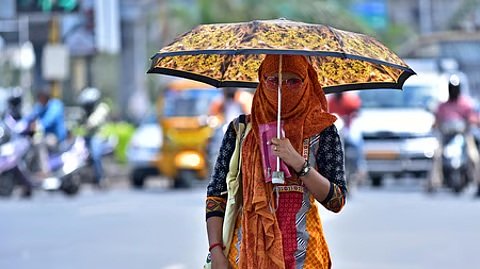
Chennai is experiencing a notable surge in electricity demand as the city and surrounding regions contend with rising temperatures and high humidity well ahead of the peak summer months. Electricity consumption across Tamil Nadu has crossed the 20,000-megawatt threshold, highlighting both the stress on existing power infrastructure and the challenges of maintaining reliable supply in a rapidly urbanising state.
Peak electricity usage for the state reached 20,211MW recently, approaching last year’s record high of 20,830MW, while daily consumption touched 416.3 million units, already the highest recorded this year. Analysts note that early seasonal heat, coupled with urban population growth and increased cooling requirements, has shifted the peak demand window earlier than usual. For urban centres like Chennai, this trend signals potential pressure on residential and commercial electricity supply, particularly in high-density districts where grid resilience is critical.
State power utilities have responded by sourcing energy from private generators on long-, medium-, and short-term contracts to maintain reliability. At the same time, solar energy contributions are increasing: the Tamil Nadu power distribution company recently absorbed 53.7 million units of solar electricity in a single day, surpassing previous daily highs. Installed solar capacity in the state currently stands at 9,555MW, providing a valuable buffer during peak daylight hours and reinforcing the role of renewable energy in urban climate resilience. Urban planners and energy analysts emphasise that such demand spikes are not isolated operational issues but are linked to broader urbanisation patterns, rising heat exposure, and electricity-intensive lifestyles. In densely populated cities, these conditions exacerbate the risk of localized power disruptions, affecting households, businesses, and critical services. From an economic perspective, sustained high demand also has cost implications, as utilities must balance supply contracts, short-term purchases, and grid maintenance.
The situation highlights the urgent need for integrated urban energy planning that combines efficient distribution networks, smart demand management, and scalable renewable energy deployment. Cities must anticipate not only seasonal spikes but long-term climate-induced stress on energy infrastructure, especially as urban expansion continues across Tamil Nadu. In parallel, promoting rooftop solar adoption, energy-efficient cooling, and demand-response measures can reduce dependency on fossil-fuel-based backup generation and enhance grid stability. As the state heads deeper into the pre-summer months, authorities and urban administrators face a dual challenge: meeting growing electricity demand while embedding sustainability and resilience into power infrastructure. How effectively Tamil Nadu balances immediate supply needs with long-term climate-smart planning will have a lasting impact on urban livability, economic productivity, and the transition toward a low-carbon future.