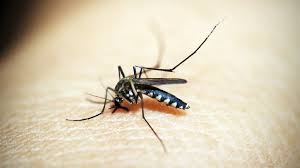
Patna Public Health Campaign Targets Mosquito Breeding
Patna has launched a citywide mosquito control campaign as civic authorities step up preventive public health measures ahead of the warmer months, when vector-borne diseases typically begin to rise in densely populated urban areas.
The initiative, led by the municipal administration, focuses on eliminating mosquito breeding sites across the city’s drainage network and residential neighbourhoods. Civic teams have begun clearing manholes, catch pits and roadside drains while applying anti-larval chemicals designed to stop mosquito larvae from developing in stagnant water. The mosquito control campaign also includes targeted interventions in locations where water stagnation persists after rainfall or routine household activities. In such areas, workers are placing oil-treated sawdust bundles on the surface of standing water to create a thin barrier that prevents mosquito breeding. The technique is commonly used in vector management programmes where drainage improvements alone cannot immediately eliminate stagnant water.
Urban sanitation teams have also been instructed to carry out fogging operations and desilting work simultaneously, ensuring that both adult mosquitoes and breeding sources are addressed. By combining fogging with anti-larval spraying, municipal authorities aim to interrupt the mosquito life cycle rather than relying on a single intervention method. To strengthen oversight, the civic body has introduced a monitoring mechanism in which field teams upload geo-tagged photographs of their work to a central control room. These digital records help supervisors track the location and frequency of operations across municipal wards. In addition, residents are being asked to verify service delivery by signing field reports submitted by sanitation workers.
Public health planners say such monitoring systems are becoming increasingly important as cities expand their sanitation responsibilities. Rapid urban growth often places pressure on drainage systems, construction sites and waste management networks, all of which can create unintended breeding grounds for mosquitoes. In cities like Patna, seasonal flooding and waterlogging have historically increased the risk of diseases such as dengue, malaria and chikungunya. Health officials note that proactive sanitation and drainage management can significantly reduce outbreaks by removing breeding environments before mosquito populations grow.
Urban governance specialists also emphasise that vector control strategies must be integrated with broader urban infrastructure management. Poorly maintained drains, clogged stormwater channels and uncollected waste can contribute to stagnant water accumulation — conditions that allow mosquitoes to multiply quickly in dense neighbourhoods. The current mosquito control campaign therefore reflects a wider shift toward preventive urban health management rather than reactive disease response. Authorities have urged residents to play an active role by ensuring that water does not accumulate in household containers such as coolers, tyres, flowerpots and construction materials. Residents have also been encouraged to report stagnant water or sanitation gaps through the municipal helpline so that rapid-response teams can address potential breeding sites.
As climate variability and urban density continue to reshape public health risks in Indian cities, municipal experts say sustained sanitation campaigns will be essential to protecting residents from seasonal disease outbreaks. Maintaining clean drainage networks and encouraging citizen participation could play a decisive role in keeping vector-borne infections under control in the coming months.