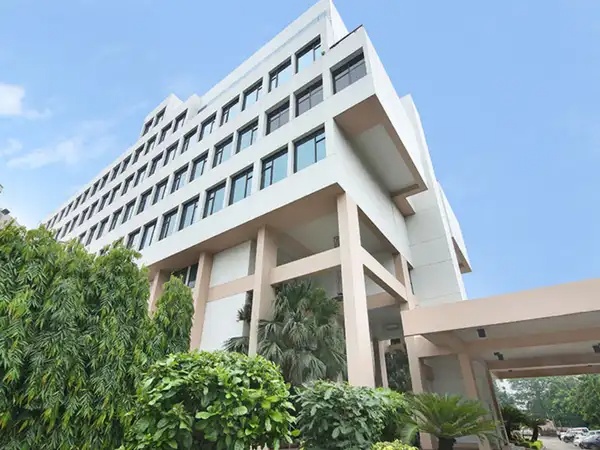
Patna Hospitality Investment Reshapes City Economy
A major hospitality investment is set to reshape the tourism and events economy of eastern India as a new Patna luxury hotel project takes shape in the heart of Bihar’s capital.
The development, planned opposite the historic Gandhi Maidan, reflects growing private-sector confidence in the city’s expanding urban economy and its emerging role as a regional centre for business travel and large-scale gatherings. The project involves a 500-room luxury hotel being developed through a partnership between a private real estate group and the Tata Group-backed hospitality company that operates the Taj brand. Positioned close to the Ganges riverfront and key administrative districts, the proposed property is expected to become one of the largest hospitality developments in eastern India.
Urban planners say the Patna luxury hotel project arrives at a moment when state capitals beyond India’s traditional metro hubs are witnessing renewed investment in hospitality infrastructure. Improved road and rail connectivity, airport upgrades and rising corporate travel are gradually changing the economic profile of cities like Patna, which historically served more as administrative centres than tourism destinations. Industry observers note that large hotels increasingly function as urban infrastructure rather than just accommodation facilities. With convention halls, banquet spaces, wellness facilities and multi-cuisine restaurants planned as part of the complex, the property is expected to support conferences, weddings and regional events that often require large-capacity venues unavailable in many tier-two cities.
The development also reflects a broader shift in the country’s hospitality sector. Major hotel operators are expanding beyond traditional gateway cities to capture domestic travel demand generated by government projects, education hubs and regional business activity. Analysts say Bihar’s capital is gradually becoming part of that network as infrastructure investments and economic activity expand across the state. The Tata Group’s hospitality arm operates multiple hotel brands across India, including luxury properties under the Taj label, and has been steadily expanding its footprint across emerging urban markets. Earlier initiatives in the city included the launch of a smaller Taj-branded property with around 120 rooms, marking the brand’s initial entry into Bihar’s hospitality landscape.
Urban economists suggest the arrival of large hospitality assets can influence surrounding neighbourhoods, especially in central locations like Gandhi Maidan. Retail clusters, restaurants, mobility services and cultural venues often expand around such developments, creating new service-sector employment and boosting local business ecosystems. However, experts also emphasise the need for balanced urban planning as hospitality investments grow. Large hotel projects place demands on water, energy and mobility infrastructure, making sustainability measures and climate-resilient design increasingly important for new developments in dense city centres.
For Patna, the upcoming project signals a broader transition. As state capitals compete to attract investment, tourism and conferences, hospitality infrastructure is becoming a visible indicator of economic ambition. If integrated with improved urban services and inclusive planning, projects like this could play a role in redefining the city’s position in India’s evolving urban network.