


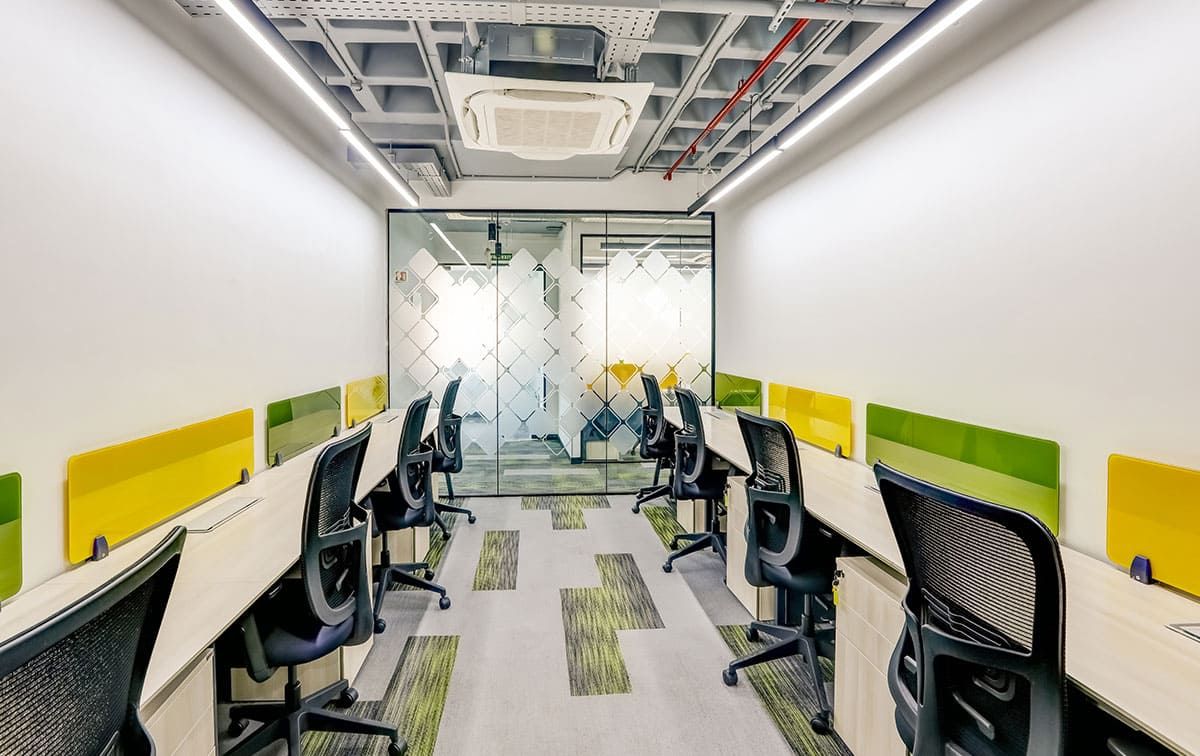
Kochi International Airport has introduced an on-site co-working facility, marking a significant step in integrating business infrastructure within urban transport hubs. Industry observers suggest that such developments not only provide convenience for frequent travellers and business professionals but also position airports as multi-functional urban nodes that support economic activity beyond transit.
The new co-working spaces offer flexible seating, high-speed internet, meeting rooms, and collaborative zones designed for early-stage entrepreneurs, corporate travellers, and digital professionals. Urban development experts note that embedding such infrastructure within airports enhances productivity for time-constrained travellers and encourages knowledge-intensive business interactions, effectively turning transport facilities into temporary innovation hubs.Airport authorities highlight that the initiative aligns with global trends in airport modernisation, where passenger experience increasingly extends beyond boarding and baggage handling. The co-working facility is expected to complement existing services, including lounges, retail zones, and conference areas, creating an ecosystem that supports both regional business growth and enhanced passenger engagement.
Economic analysts emphasise that integrating professional workspaces into airport infrastructure can stimulate local business ecosystems. The facility could attract startups, consulting teams, and remote professionals, thereby generating ancillary demand for hospitality, retail, and transport services in the surrounding urban areas. By strengthening Kochi’s role as a business-accessible gateway, the airport contributes to inclusive and diversified urban economic growth.Sustainability and urban resilience are also key considerations. Industry experts suggest that co-working facilities at transport hubs should adopt energy-efficient building designs, smart lighting, and digital resource management to reduce carbon footprint, aligning with broader efforts to create climate-resilient urban infrastructure.
For Kochi, this co-working initiative reflects a shift toward multi-functional urban infrastructure where mobility, business, and technology intersect. Moving forward, experts argue that integrating similar innovation and productivity zones within other urban transit hubs could enhance the city’s competitiveness, encourage talent retention, and promote sustainable, people-centric urban development.
Also Read:Chennai Urban Transit Advances With New MRTS Link
Co Working Hub Opens At Kochi Airport
