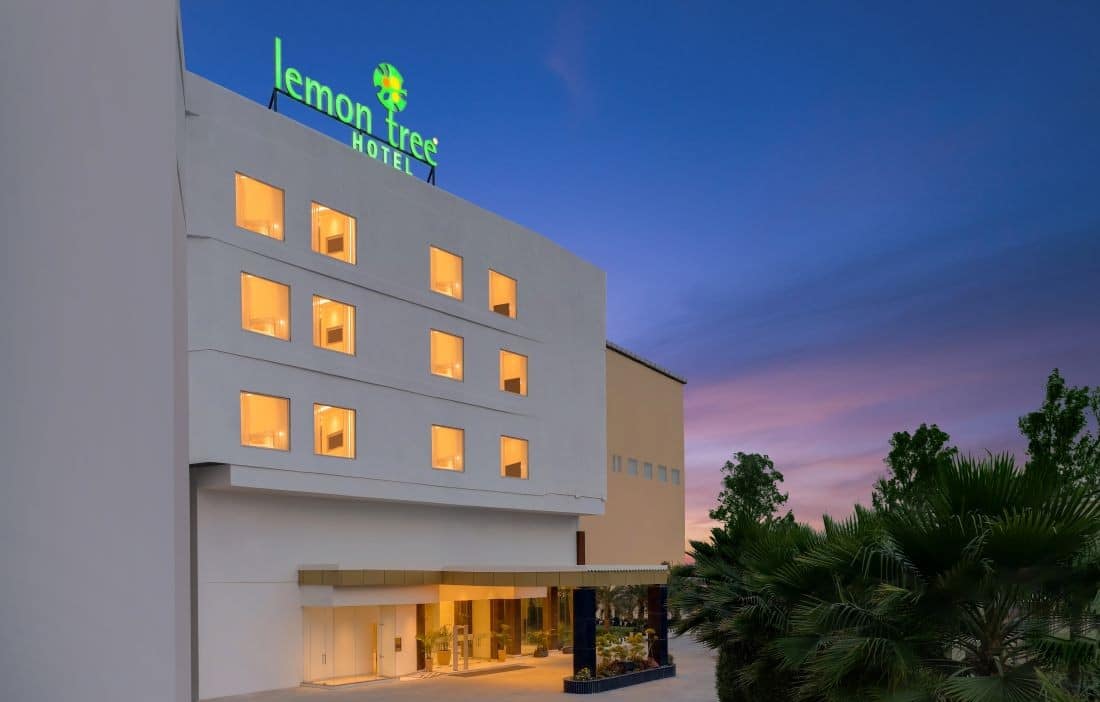
Najibabad Lemon Tree Hotel Expands Regional Hospitality
A new Lemon Tree Hotel, Najibabad is set to expand organised hospitality infrastructure in western Uttar Pradesh, signalling rising investor confidence in smaller urban centres positioned along major pilgrimage and tourism corridors.The planned property will feature about 100 rooms and a range of hospitality facilities including a restaurant, banquet and conference spaces, as well as leisure amenities such as a swimming pool, spa and fitness centre. The hotel will operate under a management agreement through the hospitality group’s management subsidiary, a structure widely used by hotel chains to expand their footprint in emerging regional markets.
Located in Bijnor district, Najibabad has historically functioned as a transit town linking several important spiritual and leisure destinations in northern India. The upcoming Lemon Tree Hotel, Najibabad is positioned to serve travellers heading toward Haridwar, Rishikesh and Jim Corbett National Park—three destinations that together draw millions of domestic visitors annually.Urban development analysts say the arrival of branded hospitality infrastructure in towns like Najibabad reflects a broader shift in India’s tourism economy. As improved highways, rail connectivity and regional airports expand travel networks, hotel operators are increasingly targeting tier-II and tier-III locations that sit along high-traffic tourism routes.Connectivity remains one of Najibabad’s key advantages. The town lies within accessible distance of Dehradun’s Jolly Grant Airport and is connected through rail networks linking western Uttar Pradesh with Uttarakhand and Delhi, making it suitable for short-stay visitors, pilgrims and business travellers.
The addition of Lemon Tree Hotel, Najibabad also strengthens the hotel group’s presence across Uttar Pradesh, one of India’s largest domestic tourism markets. The company already operates multiple properties in the state and has several more projects under development, highlighting growing demand for mid-scale branded accommodation outside major metros.Industry experts note that such developments often create ripple effects for local economies. Hotels can stimulate job creation during construction and operations, while event spaces, restaurants and conference facilities attract regional business activity. In smaller cities, these projects can also encourage improvements in supporting infrastructure such as transport, public services and urban amenities.For Najibabad, the arrival of a branded hotel may help shift the town’s role from a simple transit stop to a more structured tourism gateway.
As domestic tourism continues to diversify beyond major urban centres, projects like Lemon Tree Hotel, Najibabad illustrate how hospitality investments are gradually reaching smaller towns—integrating them into broader travel circuits while supporting local economic development.