Surat Auto Sales Surge Reflects Strong Urban Demand
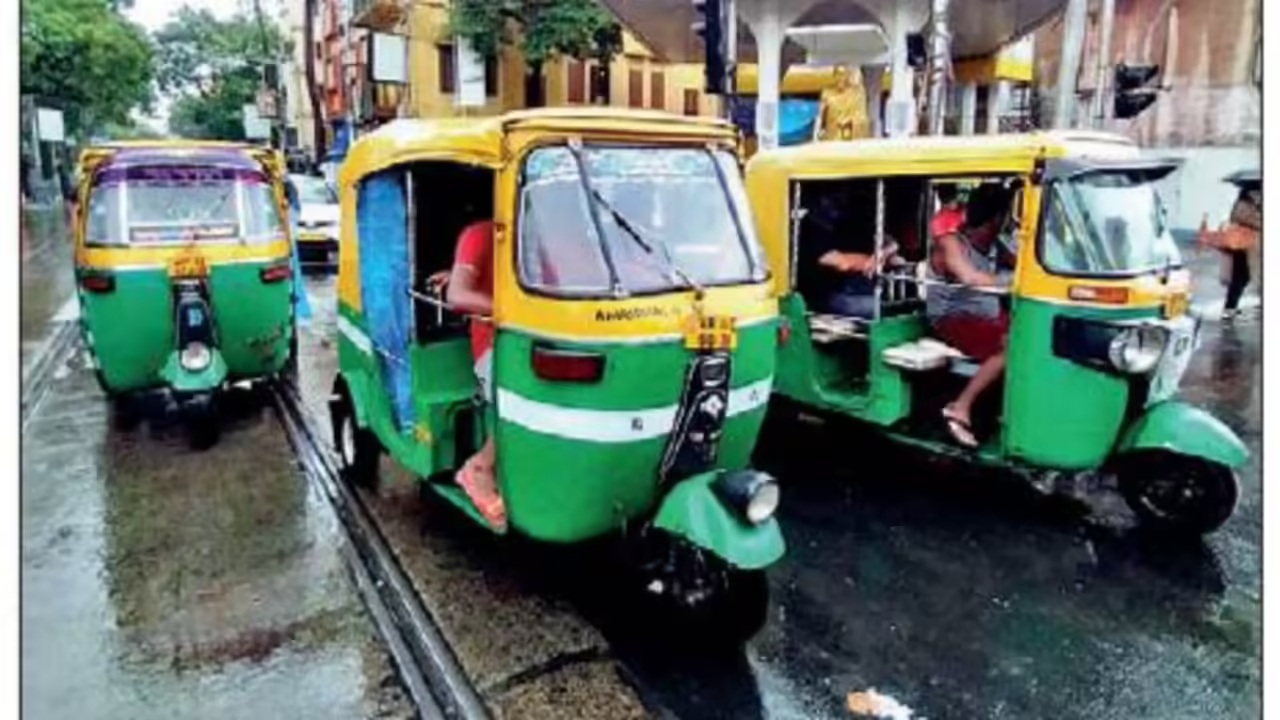
Kolkata has expanded two feeder auto services from Beleghata Metro station, a move expected to ease last-mile gaps for thousands of daily commuters and improve access to key health and rail hubs in the eastern part of the city. The decision responds to sustained commuter demand from residential pockets that have struggled with indirect and overcrowded transport options. The revised auto route extensions now connect Dhapa–Mathpukur directly with RG Kar Hospital, while another corridor links Metropolitan to Ultadanga railway station through a shorter intra-neighbourhood alignment. Urban planners say these changes may appear incremental, but they address a critical challenge in Indian metro systems: ensuring efficient last-mile connectivity that determines whether public transport is actually usable.
Beleghata and its adjoining areas have witnessed steady residential growth, yet internal mobility has remained fragmented. Commuters from Dhapa and Mathpukur earlier depended on multiple transfers to reach hospital services or major rail nodes. By extending services closer to the Metro station and key institutional destinations, the Kolkata auto route extensions reduce travel time and lower out-of-pocket expenses, particularly for elderly patients and informal workers.The Metropolitan–Ultadanga alignment, now running through Canal South Road and Phoolbagan before terminating near the railway station, offers a more direct alternative to the longer EM Bypass detour that many commuters previously relied on. Transport officials indicate that the rationalised path is intended to decongest bus corridors and provide safer, shorter surface connectivity to the suburban rail network.
Mobility experts note that strengthening feeder systems is essential for improving the financial sustainability of metro infrastructure. Without reliable first- and last-mile links, high-capacity rail investments underperform. Kolkata’s eastern corridors, which include dense mixed-use neighbourhoods and growing institutional clusters, depend heavily on intermediate public transport such as shared autos.Beyond commuter convenience, the changes carry broader urban implications. Improved access to RG Kar Hospital could help distribute outpatient footfall more evenly across facilities, easing pressure on other government hospitals. Direct connectivity to Ultadanga railway station also enhances multimodal integration between metro, suburban rail and para-transit services, a core principle of climate-resilient urban transport planning.
Civic officials involved in the rollout say the adjustments aim to bridge mobility inequities faced by residents in interior neighbourhoods who often remain disconnected from formal transit grids. Urban development analysts add that small-scale network extensions such as these are cost-effective compared to large infrastructure projects and can yield immediate social benefits. As Kolkata continues to expand its metro footprint, transport planners suggest that sustained attention to feeder integration will determine whether investments translate into inclusive, low-carbon commuting patterns. Monitoring ridership and commuter safety on the extended routes will be crucial in assessing the long-term impact of the Kolkata auto route extensions on neighbourhood mobility.