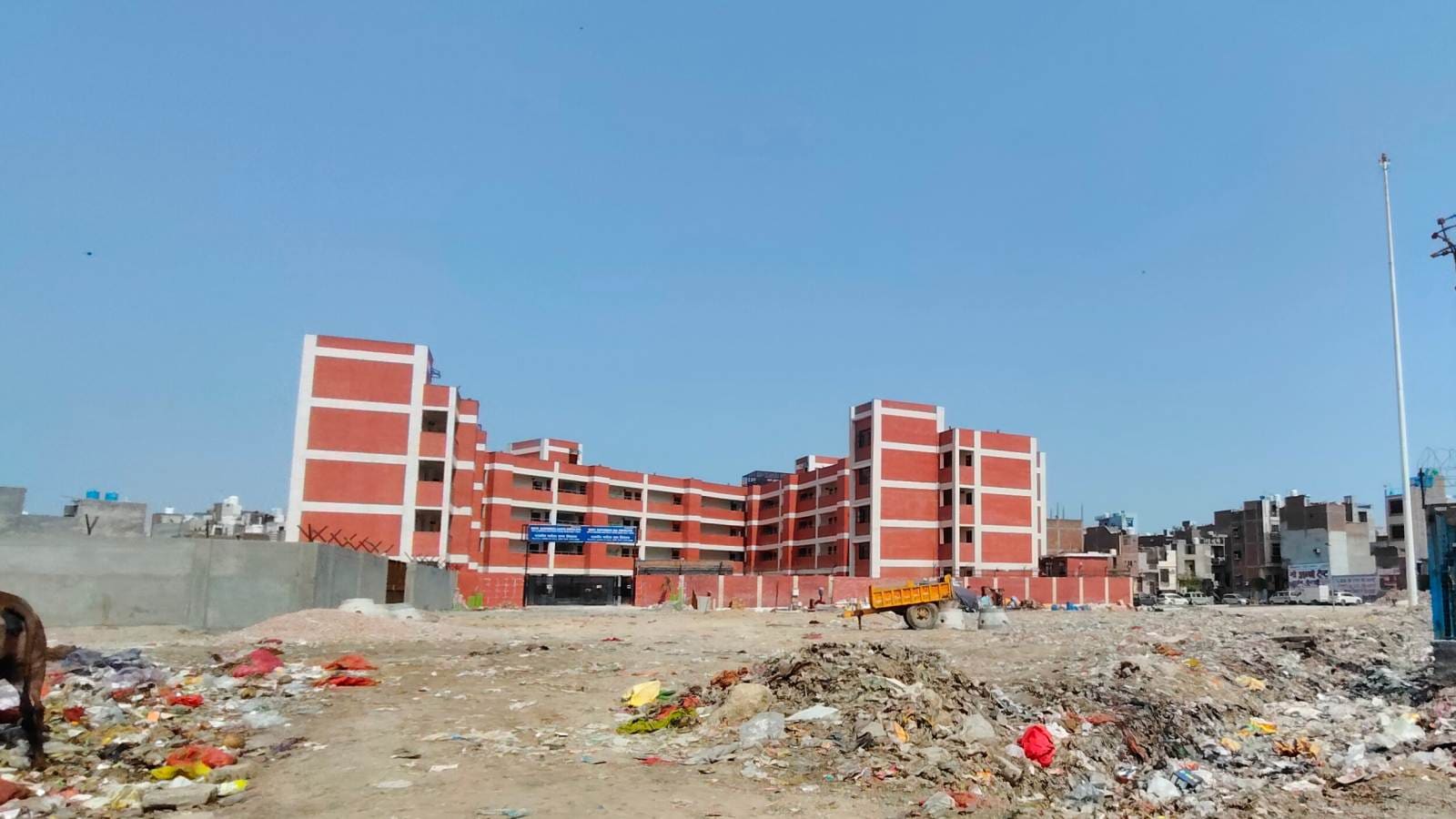
In north-east Delhi’s Khajuri Khas neighbourhood, authorities have marked a pivotal step toward enhancing urban educational infrastructure with a formal bhoomi poojan and groundbreaking for a permanent Kendriya Vidyalaya campus.
The long-anticipated ceremonial start of construction underscores efforts by city administrators to alleviate school capacity pressures and improve access to quality education in a densely populated urban corridor. Officials also inaugurated a temporary school facility on the same site, underscoring a dual approach: immediate relief for current enrolment challenges while laying the foundations for a modern, purpose-built campus to serve future demand. The interim campus is already operational, ensuring continuity of learning even as structural work begins.
Urban planners see this development as more than just brick and mortar. Rapid population growth across Delhi’s eastern periphery has strained existing school infrastructure, forcing many families to endure long commutes or contend with overcrowded classrooms. The new campus, once completed, is projected to ease these pressures and improve educational outcomes for thousands of students from Khajuri Khas and surrounding settlements. Reliable access to quality education is increasingly recognised as core to sustainable urban development. In fast-growing metropolitan areas, school infrastructure not only affects daily life for families but also shapes patterns of settlement, local markets and workforce readiness. Expanding capable public schools close to where people live helps mitigate inequality and supports inclusive growth, particularly in neighbourhoods where private schooling remains financially out of reach. Urban education policy experts note that such investments are integral to broader strategies that link schooling with economic opportunity, especially in cities with high levels of in-migration and socio-economic diversity.
The site’s selection in the Yamuna floodplain has also prompted planners to consider resilience principles during design and construction. Given Delhi’s vulnerability to seasonal water-logging and heat stress, integrating climate-adapted features — such as elevated structures, green spaces and efficient water management — will be essential to ensure the new campus withstands environmental stresses while minimising operational costs. Urban infrastructure specialists stress that climate-aligned school design contributes to long-term municipal sustainability goals, particularly in neighbourhoods facing ecological pressures. Administrators emphasised the intent to complete the permanent facility in phases, coordinating with civic departments to align the project with local transport upgrades, sanitation improvements and other civic infrastructure works. This integrated approach reflects a growing recognition that educational infrastructure must not operate in isolation but as part of a cohesive urban ecosystem.
For families in and around Khajuri Khas, the permanent Kendriya Vidyalaya campus represents more than a new school building; it signals a long-term commitment to enhancing human capital and addressing spatial inequities in Delhi’s education landscape. As construction progresses, attention will shift to ensuring the facility delivers modern learning spaces, equitable access and resilience-oriented design — key ingredients for nurturing future generations in a rapidly transforming city region.